







What's Happening?
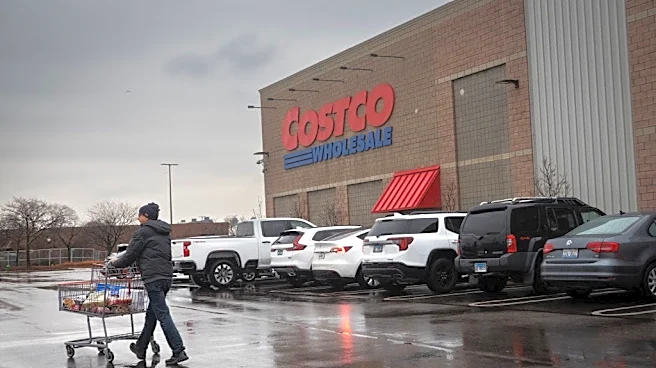
Costco has announced a significant expansion of its delivery services across the U.S. through new and broadened partnerships with DoorDash and Uber Eats. DoorDash will now offer nationwide delivery from all Costco warehouse stores in the U.S., a first
for the San Francisco-based delivery company. This move comes as Costco was identified as one of the most-searched retailers not yet available on DoorDash's U.S. platform. Similarly, Uber Eats is expanding its existing partnership with Costco to provide nationwide delivery, building on a 2024 agreement that initially covered only 17 states. Both DoorDash and Uber Eats have been actively growing their grocery delivery offerings in recent years, including partnerships with major supermarket chains like Kroger. Delivery services from both platforms will be exclusively available to Costco members, who can link their membership details to their respective delivery accounts. Costco, headquartered in Issaquah, Washington, boasts 81 million members globally, with the majority residing in the U.S., where it operates 639 stores across 47 states.
Why It's Important?
This expansion of Costco's delivery options through DoorDash and Uber Eats is a pivotal development for the U.S. retail and e-commerce sectors. It significantly enhances convenience for Costco's vast membership base, potentially increasing customer loyalty and attracting new members who prioritize home delivery. For DoorDash and Uber Eats, securing nationwide partnerships with a retail giant like Costco strengthens their market position in the competitive grocery and general merchandise delivery landscape. This move could intensify competition among delivery platforms, potentially leading to more aggressive pricing strategies and enhanced service offerings to capture market share. The increased accessibility to Costco's bulk products could also influence consumer purchasing habits, shifting more spending towards online channels and potentially impacting traditional brick-and-mortar retail foot traffic. Furthermore, the partnerships highlight a growing trend of major retailers integrating with third-party delivery services to meet evolving consumer demands for speed and convenience, a trend that could reshape logistics and supply chain strategies across the country.
What's Next?
Following the nationwide rollout, Costco, DoorDash, and Uber Eats will likely focus on optimizing their logistical operations to ensure efficient and timely delivery across diverse geographic regions. Uber Eats is already offering incentives, such as discounts on first Costco orders and reduced Uber One membership fees for Costco members, indicating a strategy to rapidly onboard users and drive engagement. It is probable that DoorDash will introduce similar promotional offers to compete effectively. The success of these expanded partnerships could lead to further integration of Costco's product catalog, including a wider range of items available for delivery. Other major retailers might observe the outcomes of these collaborations closely, potentially accelerating their own partnerships with delivery platforms or investing further in their in-house delivery capabilities. The long-term impact will also involve monitoring customer satisfaction, delivery efficiency, and the overall financial performance of these expanded services, which could dictate future strategies for all parties involved.
Beyond the Headlines
The expanded delivery services from Costco through DoorDash and Uber Eats underscore a broader societal shift towards convenience and on-demand services, accelerated by recent global events. This trend has significant implications for urban planning, traffic congestion, and the future of retail employment. As more consumers opt for home delivery, there could be increased pressure on urban infrastructure and a greater demand for gig economy workers, raising questions about labor practices, worker benefits, and the environmental impact of increased delivery vehicle traffic. Moreover, the data collected from these partnerships will provide invaluable insights into consumer behavior, allowing for highly personalized marketing and product recommendations, which could further entrench digital shopping habits. The reliance on third-party platforms also raises questions about data privacy and the control retailers maintain over their customer relationships. This evolution in retail is not merely about convenience but represents a fundamental re-evaluation of how goods are distributed and consumed in the digital age.