




What's Happening?
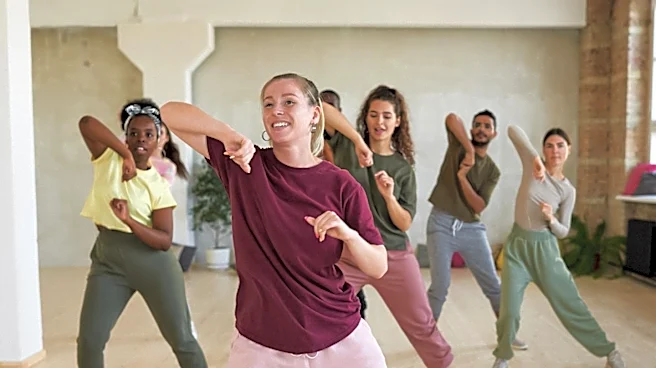
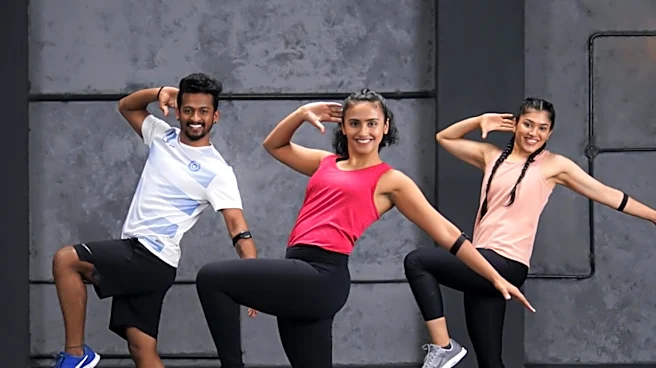
Penn State Campus Recreation is offering Zumba, a dance-cardio class inspired by Latin and international rhythms. The program, held at the IM Building, does not require prior dance experience. Participants are advised to arrive 5-10 minutes before class to prepare
and can modify exercises to suit all fitness levels. Registration is mandatory to attend these classes, and attendees must present their PSU ID upon check-in. The university also notes that photographers and videographers may be present, and by attending, individuals grant permission for their images to be used in promotional materials.
Why It's Important?
This initiative by Penn State Campus Recreation highlights a growing trend in universities to provide diverse fitness options that cater to a wide range of interests and fitness levels. By offering Zumba, which is known for its engaging and accessible format, the university promotes physical activity and well-being among its student body and faculty. The requirement for registration and PSU ID ensures organized access and security, while the allowance for exercise modification makes the program inclusive. This approach can enhance campus life by fostering a healthier and more active community, potentially leading to improved academic performance and overall student satisfaction.
What's Next?
Individuals interested in participating in Zumba classes at Penn State Campus Recreation will need to complete the registration process through the university's recreation portal. They should also be prepared to bring their PSU ID, a towel, and a water source to each session. The program is ongoing, and new sessions or variations may be introduced based on participant interest and demand. The university will continue to use photographic and video content from these events for promotional purposes, showcasing the vibrant campus recreation offerings.
Beyond the Headlines
The inclusion of Zumba in university recreation programs reflects a broader cultural shift towards fitness activities that are perceived as enjoyable and social rather than solely strenuous. This can help break down barriers to exercise for individuals who might be intimidated by traditional gym settings. Furthermore, the emphasis on Latin and international rhythms introduces participants to diverse cultural elements through movement, fostering a more inclusive and globally aware campus environment. The policy regarding photography also raises considerations about privacy and consent in public university settings, even for recreational activities.