



What's Happening?
Panama is being highlighted as a modern and natural paradise by the Los Angeles Times, according to a recent article titled 'Canal Safaris and Remote Archipelagos Forge a Modern Paradise Pairing in Panama.' Travel writer Joe Yogerst portrays Panama as a captivating
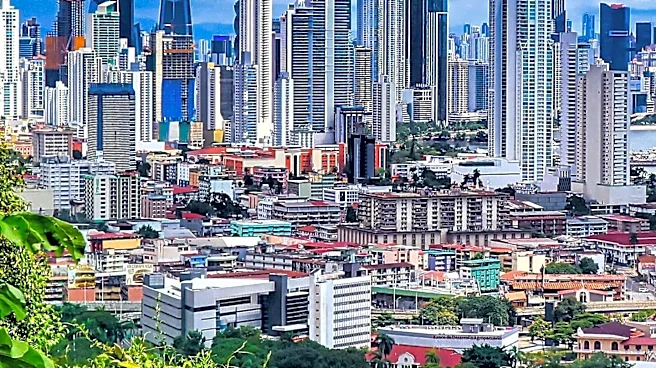
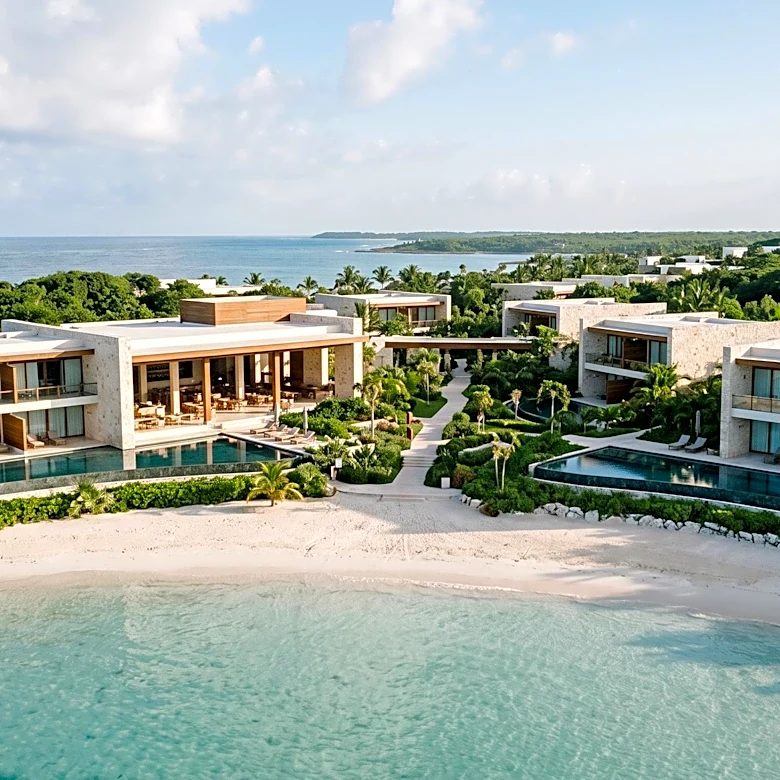
destination that seamlessly blends vibrant urban modernity with abundant nature. The report emphasizes Panama's evolution into a sophisticated and accessible getaway, now just a six-hour flight from the U.S. West Coast due to increased direct air connectivity. The journalist's journey begins in Panama City, focusing on the transformation of Casco Viejo, a UNESCO World Heritage site, which now offers high-end hotels and world-class gastronomy. The article also details unique experiences such as aquatic safaris on Gatun Lake, where wildlife like monkeys, sloths, crocodiles, and toucans can be observed, alongside the historical 'Herman the German' floating crane from World War II. The exploration extends to the Panamanian Caribbean, specifically Bocas del Toro, described as an intimate sanctuary featuring luxury eco-lodges, world-class surfing at Playa Paunch, and a deep connection to local culture, including visits to an indigenous Ngäbe community to learn about artisanal cacao and chocolate production, concluding at the pristine beaches of the Zapatilla Cays.
Why It's Important?
This positive portrayal by a major U.S. publication like the Los Angeles Times is crucial for Panama's tourism sector and its international image. Increased direct air connectivity from the U.S. West Coast, coupled with such favorable media coverage, is likely to significantly boost American tourist arrivals. This influx of tourism can stimulate Panama's economy, creating jobs in hospitality, transportation, and local businesses, particularly in areas highlighted in the article like Casco Viejo and Bocas del Toro. The emphasis on both urban sophistication and natural attractions broadens Panama's appeal to a diverse range of travelers, from those seeking cultural experiences and fine dining to eco-tourists and adventure seekers. The recognition of Casco Viejo as a UNESCO World Heritage site further enhances its allure, attracting visitors interested in history and culture. For the U.S., this means more travel options for its citizens and potentially increased economic ties through tourism-related investments and expenditures in Panama.
What's Next?
Following this positive media exposure, Panama is likely to see a surge in interest from U.S. travelers. The Panamanian tourism authority (ATP) will likely leverage this article in its marketing campaigns to further promote the country as a premier travel destination. This could lead to increased flight routes and frequencies from the U.S., as airlines respond to growing demand. Local businesses in the highlighted regions, such as hotels, restaurants, and tour operators, can anticipate a rise in bookings and may expand their services to accommodate more tourists. There might also be further investment in tourism infrastructure, particularly in eco-tourism and cultural heritage sites, to enhance the visitor experience and sustain the growth. The focus on unique experiences like canal safaris and indigenous cultural immersion could also inspire the development of new tourism products. Additionally, the article's reach could encourage other international media outlets to feature Panama, creating a ripple effect of positive publicity.
Beyond the Headlines
The Los Angeles Times article underscores a broader trend of Panama diversifying its economic identity beyond its traditional role as a maritime hub centered around the Panama Canal. By showcasing its rich cultural heritage, vibrant urban life, and pristine natural environments, Panama is positioning itself as a multifaceted destination. This strategic shift aims to attract a more diverse and sustainable form of economic activity, reducing over-reliance on any single sector. The promotion of indigenous communities and their artisanal crafts, such as cacao and chocolate production, also highlights a commitment to cultural preservation and community-based tourism, which can empower local populations and provide authentic experiences for visitors. This approach aligns with global trends in responsible tourism, where travelers seek meaningful interactions and support local economies. The long-term implication is a more resilient and diversified Panamanian economy, fostering sustainable development and showcasing the country's unique blend of modernity and natural beauty.