








What's Happening?
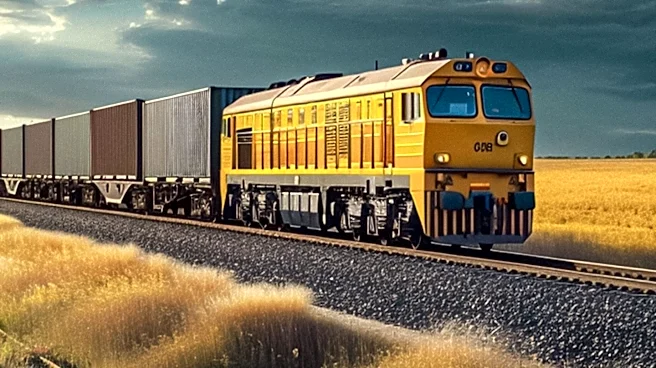
Ukrzaliznytsia, Ukraine's national railway company, is set to increase usage rates for several types of wagons on its 1,520 mm network starting November 1, 2026. Specifically, grain wagon rates will rise by 12%, or 400 UAH, to 3,771 UAH per wagon-day
(excluding VAT). This increase, coupled with persistent border delays and extended wagon turnaround times, is expected to significantly raise internal logistics expenses for Ukrainian wheat exports. The average turnaround for a Ukrainian freight wagon has already increased by approximately 43% in September, reaching over 12 days, with grain hoppers averaging around 23 days. Air raid alerts, infrastructure limitations, and mixed train operations contribute to these prolonged idle times, directly amplifying time-based wagon charges and increasing the logistics cost per tonne of wheat transported. Ukrzaliznytsia also plans to limit agricultural shipments to western crossings if queues exceed 15 days, basing approvals on actual wagon intake by foreign carriers, which could cap capacity in congested areas.
Why It's Important?
The rising rail costs and logistical bottlenecks in Ukraine have significant implications for the global wheat market and U.S. agricultural interests. While EU wheat prices remain relatively stable, the increased cost of Ukrainian exports could make them less competitive on the international market. This situation could lead to a shift in global grain trade patterns, potentially benefiting other major wheat exporters, including the United States. U.S. wheat producers might see increased demand for their products if Ukrainian supply becomes more expensive or unreliable. Conversely, countries that rely heavily on Ukrainian wheat imports may face higher prices or need to seek alternative suppliers. The added costs for Ukrainian farmers and exporters could also impact their profitability and long-term viability, potentially leading to reduced production or a shift to other crops, further influencing global agricultural supply chains. The policy to limit shipments at congested borders could also create artificial scarcity, driving up prices for available Ukrainian grain.
What's Next?
In the immediate future, Ukrainian producers are advised to review their on-farm storage and cash needs, considering staggering sales across November and December to avoid aggressive basis discounts following the wagon rate increase. Exporters and traders will need to re-price their procurement and export programs to account for the 12% higher grain wagon rate and extended wagon cycles, prioritizing routes and crossings with higher daily intake to mitigate time-based costs. EU feed users will be monitoring Black Sea offers, as a failure of Ukrainian CPT/FOB prices to fully internalize higher logistics costs could present short-term buying opportunities compared to domestic German feed wheat. Over the next three trading days, Ukrainian CPT and FOB wheat indications around Odesa are likely to trade sideways with a slight upward bias in basis to reflect the increased rail costs. German EXW feed wheat may remain under modest pressure, while U.S. and French FOB benchmarks are expected to stay range-bound unless new macro or weather events emerge.
Beyond the Headlines
The logistical challenges and rising costs in Ukraine's grain export sector highlight the broader vulnerabilities of global food supply chains to geopolitical events and infrastructure limitations. The reliance on rail transport, coupled with ongoing conflict-related disruptions, underscores the need for resilient and diversified transportation networks for agricultural commodities. This situation could accelerate investments in alternative export routes or storage solutions within Ukraine and neighboring countries. Furthermore, the increased cost burden on Ukrainian farmers could have long-term socio-economic consequences, potentially impacting rural livelihoods and food security within the region. The market's response to these changes will also serve as a case study for how global commodity markets adapt to sudden and sustained logistical pressures, potentially influencing future risk management strategies for international trade.