




What's Happening?
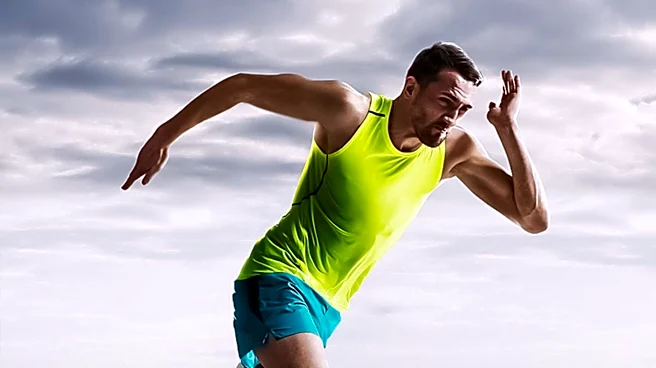
Elite athletes are increasingly leveraging the principles of circadian rhythm to gain a competitive edge, according to Mickey Beyer-Clausen, co-founder and CEO of the Timeshifter app. Every individual possesses an internal 24-hour clock, known as their
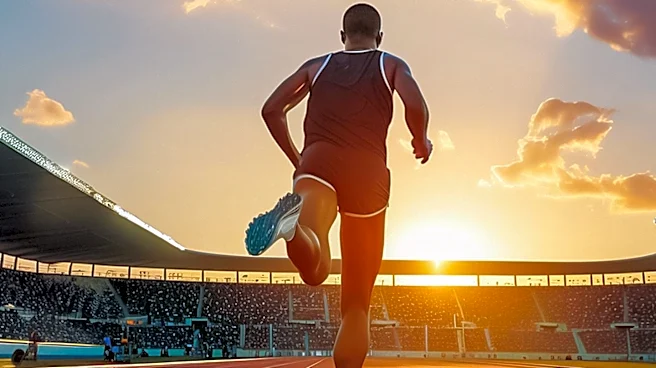
circadian rhythm, which regulates various bodily processes, including sleep-wake cycles and hormone levels. By tailoring routines to align with these internal clocks, athletes can maximize their energy and focus. Beyer-Clausen notes that world records are frequently set in the late afternoon, typically between 4 and 5 p.m., a time when the body's temperature and circadian system are peaking, indicating optimal performance. Athletes use these principles to minimize jet lag when traveling across time zones and to schedule competitions during their body's peak performance windows. Dr. Stephen Lockley, co-founder and chief scientist of Timeshifter, has also applied his circadian rhythm research to help astronauts maintain alertness during space missions.
Why It's Important?
The application of circadian rhythm principles in sports signifies a growing understanding of the intricate connection between biological timing and human performance. This approach moves beyond traditional training methods by incorporating physiological science to optimize an athlete's natural capabilities. For U.S. athletes, particularly those competing internationally, understanding and manipulating circadian rhythms can be crucial for mitigating the effects of jet lag, ensuring they perform at their best regardless of time zone changes. This can translate into improved recovery times, enhanced focus, and ultimately, better competitive outcomes. The emphasis on aligning competition times with an athlete's biological peak could lead to more consistent high-level performances and potentially more world records. This scientific integration into athletic training highlights a shift towards a more holistic and data-driven approach to sports, where biological rhythms are as critical as physical conditioning.
What's Next?
The integration of circadian rhythm science into athletic training is likely to expand, with more athletes and sports organizations adopting personalized strategies. Future developments may include more sophisticated tools and technologies to monitor individual circadian rhythms and provide real-time recommendations for sleep, nutrition, and training schedules. Research will likely continue to explore the nuances of chronotypes and how light exposure can further shift circadian rhythms, offering more tailored advice for optimizing daily routines. The success seen in elite athletes and even astronauts suggests that these principles could be applied more broadly to improve general well-being and productivity for individuals in demanding professions. The ongoing research by experts like Beyer-Clausen and Lockley will continue to refine these strategies, potentially leading to new insights into human performance and recovery.
Beyond the Headlines
Beyond the immediate benefits for athletic performance, the widespread adoption of circadian rhythm principles could have broader societal implications. Understanding and respecting our internal biological clocks can lead to significant improvements in public health, particularly for individuals whose work schedules disrupt their natural rhythms, such as shift workers. The insights gained from optimizing athletic performance could inform strategies for improving sleep quality, reducing fatigue, and enhancing cognitive function in the general population. This scientific focus on biological timing also underscores the importance of environmental factors, such as light exposure, in regulating our health. As more research emerges, there could be a greater emphasis on designing environments and work schedules that are more in tune with human biology, leading to a healthier and more productive society. The ethical considerations of 'biohacking' and optimizing human performance will also become more prominent as these technologies advance.