







What's Happening?
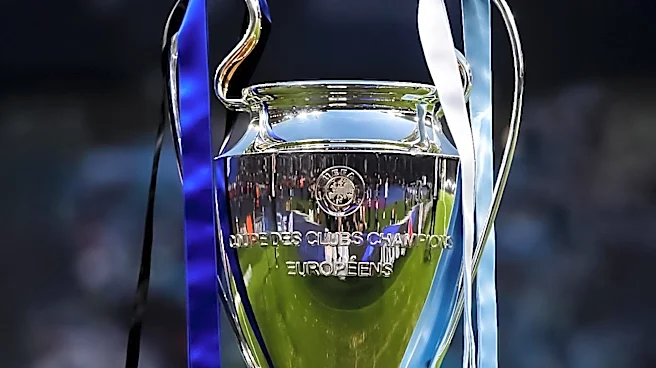
UEFA and Concacaf are in early discussions to create a joint Nations League, a biennial competition that would involve 55 UEFA federations and 41 Concacaf federations, potentially starting in 2028. This initiative aims to establish a new international
tournament structure, allowing teams like Mexico, the United States, and Canada to regularly compete against European powerhouses such as Spain, France, England, and Germany. The proposed format would mirror the existing Nations Leagues of both confederations, distributing teams into divisions based on their level, followed by a knockout phase culminating in a Final Four. Matches would be scheduled during existing FIFA international windows in September, October, and November for the league phase, with knockout rounds in March and finals in June. The plan also includes organizing matches in geographical blocks to minimize travel between Europe and America, and a centralized revenue distribution model to benefit federations with fewer economic resources. This development comes amidst ongoing tensions between UEFA and Concacaf and FIFA leadership, particularly concerning FIFA's past proposal for the FIFA Forward Enterprise (FFE) project.
Why It's Important?
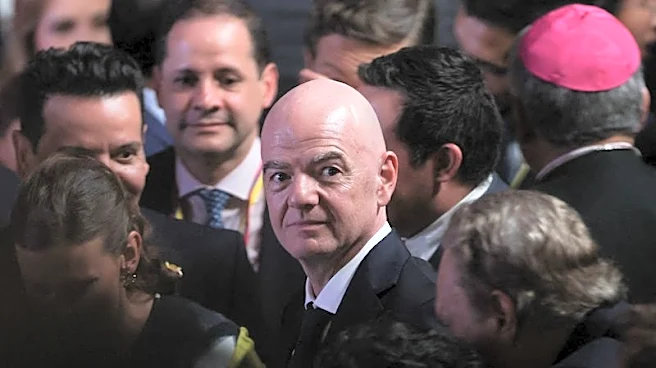
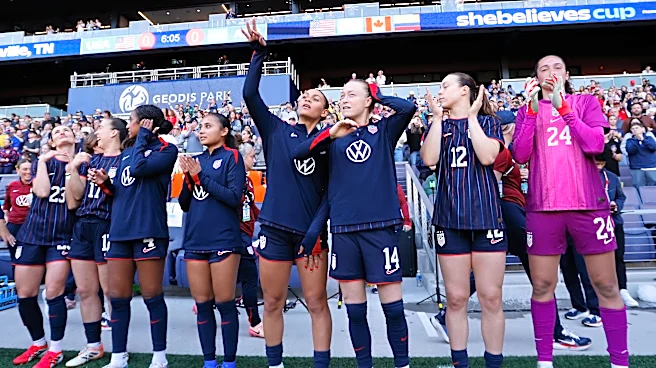
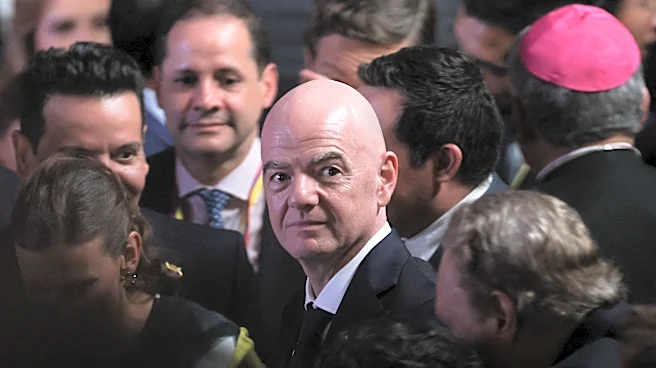
This proposed joint Nations League holds significant implications for U.S. soccer and the broader international football landscape. For the United States Men's National Team, it would provide consistent, high-level competition against top European nations, a crucial factor for player development and tactical refinement that is often lacking in the current Concacaf schedule. This increased exposure to elite competition could elevate the U.S. team's performance on the global stage, potentially improving their standing in future World Cups and other international tournaments. Economically, the tournament presents substantial commercial opportunities, especially with matches held in North America, which could generate significant revenue for Concacaf federations, including U.S. Soccer. The centralized revenue distribution model could also provide financial stability and growth for smaller federations within Concacaf. Furthermore, this collaboration between UEFA and Concacaf represents a direct challenge to FIFA's authority and its president, Gianni Infantino, signaling a potential shift in power dynamics within global football governance. The move could empower confederations to exert greater control over international football calendars and commercial ventures, potentially leading to a more decentralized and confederation-driven future for the sport.
What's Next?
The project is currently in its initial stages, and further negotiations and agreements between UEFA and Concacaf are required to finalize the structure and implementation of the joint Nations League. Key next steps will involve formalizing the competition format, establishing the division system, and securing the commitment of all participating federations. The timeline suggests a potential launch in 2028, meaning detailed planning and logistical arrangements will need to be put in place over the coming years. Reactions from FIFA and other confederations will be closely watched, as this initiative could prompt a broader restructuring of international football competitions. There may also be discussions regarding the integration of other confederations, such as the Asian Football Confederation (AFC), which has expressed interest in joining a global Nations League. The success of this venture will depend on its ability to attract commercial partners, ensure competitive balance, and manage the logistical complexities of intercontinental travel and scheduling. The ongoing dispute with FIFA leadership will likely continue to influence the pace and direction of these developments.
Beyond the Headlines
Beyond the immediate sporting and economic benefits, the proposed UEFA-Concacaf Nations League carries deeper implications for the governance and future direction of international football. This initiative can be seen as a strategic move by two powerful confederations to assert greater autonomy and influence in response to perceived issues with FIFA's leadership, particularly concerning transparency and trust. The rejection of FIFA's Forward Enterprise project by UEFA and Concacaf highlights a growing desire among confederations to control their own commercial destinies and competition structures. If successful, this joint venture could set a precedent for other confederations to form similar alliances, potentially leading to a more fragmented international football calendar and a diminished role for FIFA in organizing global competitions outside of the World Cup. This shift could empower regional bodies, allowing them to tailor competitions to their specific needs and commercial interests, but it also raises questions about the long-term unity and coherence of global football. The ethical dimension of this power struggle centers on who ultimately benefits from the sport's vast revenues and how decisions are made regarding its future development.