






What's Happening?
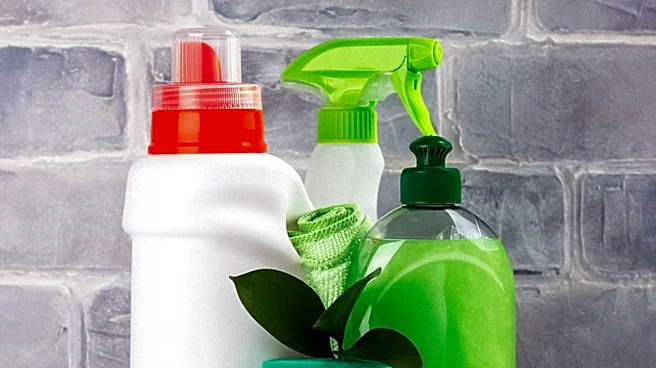
Guests on Earth is actively promoting refillable eco-home cleaning kits designed to minimize waste and reduce carbon emissions. The company offers non-toxic cleaning solutions packaged in reusable aluminum bottles, which are then refilled using small-format
concentrates. This system allows consumers to mix the concentrates with tap water at home, eliminating the need to purchase new full-size bottles each time a product runs out. A third-party carbon assessment cited by Guests on Earth indicates that this refillable model can cut emissions by approximately 53% compared to traditional full-size cleaning products. The company emphasizes the use of plant-based and mineral-based ingredients, avoiding harsh chemicals in their formulations. Guests on Earth is also a Certified B Corporation and participates in the '1% for the Planet' initiative, further highlighting its commitment to environmental sustainability. The kits are designed to simplify the transition to eco-friendly cleaning by offering bundles that can replace multiple single-use products.
Why It's Important?
The shift towards refillable eco-home products, as championed by Guests on Earth, is significant for the U.S. market due to its potential to address growing concerns about plastic waste and carbon footprints. The substantial reduction in emissions (53%) associated with small-format refills, as reported by a third-party assessment, demonstrates a tangible environmental benefit. This model encourages a circular economy approach, where packaging is reused rather than discarded, thereby lessening the burden on landfills and reducing the energy consumption associated with manufacturing new containers. For consumers, it offers a way to align their purchasing habits with environmental values without compromising on product quality or convenience. The emphasis on non-toxic, plant-based ingredients also caters to a rising demand for safer household products, potentially impacting public health by reducing exposure to harsh chemicals. This trend could influence other industries to adopt similar refill and reuse strategies, fostering broader sustainability initiatives across various consumer goods sectors.
What's Next?
The continued adoption of refillable eco-home products by companies like Guests on Earth suggests a growing market for sustainable consumer goods. Consumers can expect to see more brands offering similar refill systems, potentially expanding beyond cleaning products to other household staples. The success of these models will likely depend on factors such as convenience, price competitiveness, and product efficacy. As consumer awareness of environmental issues increases, demand for such products is anticipated to rise, prompting further innovation in packaging and delivery methods. Regulatory bodies might also consider incentives or mandates for companies to adopt more sustainable packaging solutions, drawing inspiration from the measurable environmental benefits demonstrated by refillable systems. The industry could also see increased collaboration between manufacturers and retailers to establish more accessible refill stations or return programs, making the process even more seamless for consumers.
Beyond the Headlines
The movement towards refillable eco-home products represents a deeper cultural and economic shift away from the traditional linear 'take-make-dispose' model. It challenges consumers to rethink their relationship with packaging and product consumption, fostering a more mindful approach to household management. Beyond the immediate environmental benefits, this trend could lead to a re-evaluation of product design, emphasizing durability and reusability over disposability. The ethical dimension of reducing waste and supporting companies committed to environmental stewardship becomes a key factor in consumer choice, potentially influencing brand loyalty and market share. Furthermore, the educational aspect of these products, by making consumers aware of their environmental impact, could contribute to a broader societal change in consumption patterns. This could also spur technological advancements in material science to create even more sustainable and durable packaging solutions, further integrating circular economy principles into everyday life.