





What's Happening?
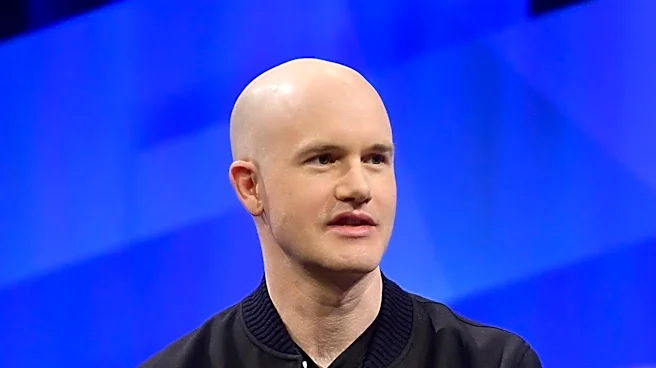
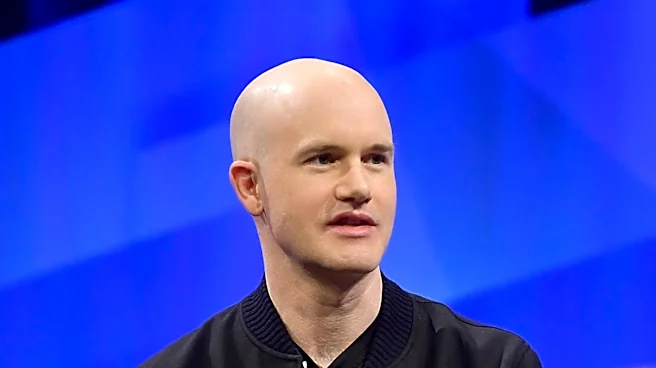
Brian Armstrong, CEO of Coinbase, has called for the decentralization of artificial intelligence (AI), drawing parallels to the decentralization of cryptocurrencies. Armstrong believes that AI agents are becoming the new interface for financial services,
effectively acting as personal financial advisors for users. He emphasized that Coinbase's mission is to expand economic freedom through digital assets and now, increasingly, through AI. To prevent monopolization and preserve freedom in AI technology, Armstrong proposed an approach involving the use of specialized open-weight models. These models would be fine-tuned for specific tasks and then combined into teams, which he suggests could collectively outperform leading closed AI solutions. He referenced economist Friedrich von Hayek's ideas on markets and price signals as effective coordination mechanisms, stating that Coinbase is building financial accounts, payment infrastructure, and marketplaces for interaction in this new economy.
Why It's Important?
Armstrong's advocacy for decentralized AI in financial services highlights a significant shift in how technology leaders envision the future of finance and AI's role within it. The decentralization of AI could democratize access to advanced financial tools, potentially reducing the dominance of large, centralized institutions and fostering greater economic freedom for individuals. If successful, this approach could lead to a more competitive and innovative financial landscape, where smaller entities and open-source initiatives can contribute to and benefit from AI advancements. However, it also presents challenges related to regulation, security, and interoperability, as decentralized systems often require new frameworks to ensure stability and trust. The move could also influence policy discussions in Washington regarding AI governance and financial technology, as Coinbase has actively engaged with regulatory bodies like the U.S. Commodity Futures Trading Commission on related matters.
What's Next?
The immediate next steps involve the continued development and implementation of Armstrong's proposed decentralized AI approach within Coinbase's ecosystem. This includes focusing on specialized open-weight models and strategies for combining them effectively. Coinbase is likely to continue its engagement with regulatory bodies, advocating for policies that support the integration of new technologies like decentralized AI into the financial system. The broader tech and financial industries will be watching to see if other major players adopt similar decentralized AI strategies, potentially leading to a more widespread movement. The success of this vision will depend on overcoming technical hurdles, ensuring robust security, and navigating the evolving regulatory landscape for both AI and cryptocurrencies.
Beyond the Headlines
The call for decentralized AI extends beyond mere technological implementation; it touches upon fundamental questions of power, control, and access in the digital age. By advocating for open-weight models and collaborative AI teams, Armstrong is implicitly challenging the current trend of highly centralized AI development, often dominated by a few large corporations. This could lead to a more equitable distribution of AI's benefits and mitigate risks associated with algorithmic bias and monopolistic control. Ethically, a decentralized AI could offer greater transparency and accountability, as its components are open for scrutiny. Culturally, it could foster a more collaborative and open-source ethos in AI development, mirroring the early days of the internet and the cryptocurrency movement. The long-term implications could reshape not only financial services but also how societies interact with and govern advanced AI systems.