




What's Happening?
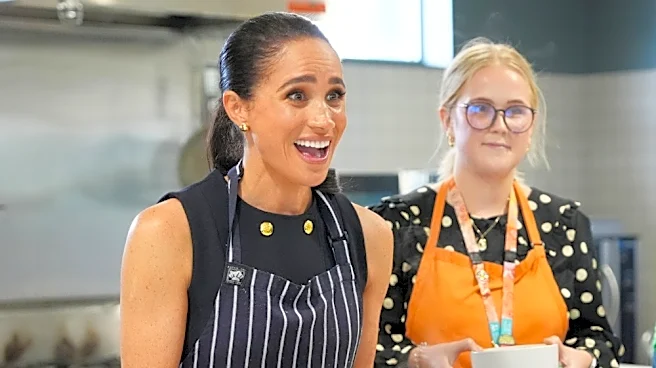
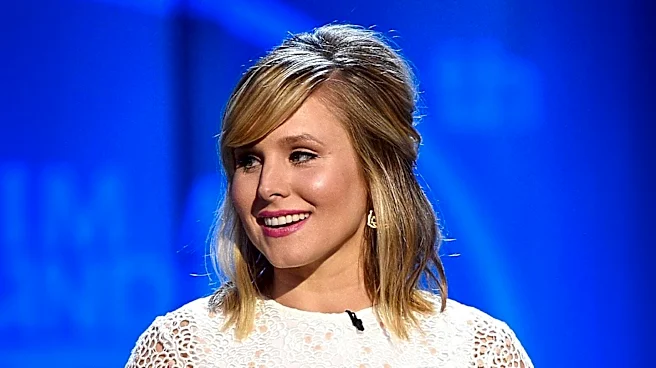
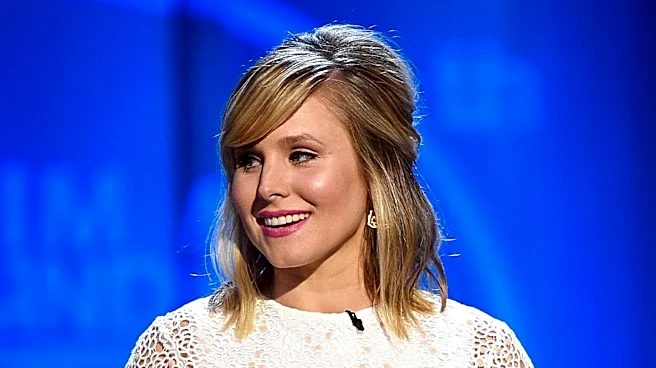
Actress Kristen Bell recounted a 'near-death experience' while filming an ocean scene for the third season of her Netflix series, 'Nobody Wants This.' During an appearance on her husband Dax Shepard's 'Armchair Expert' podcast, Bell described facing '8-foot
waves' with approximately ten crew members, each accompanied by a stunt person for safety. The scene required her to be in the water up to her sternum, wearing a scuba suit to simulate nudity. Despite the presence of stunt professionals, the situation became chaotic, with stunt people screaming, crew members being pushed into the sand, and both cameras going underwater. Bell noted the water was 'so cold' and that the director initially stated they 'didn't get the shot,' requiring them to re-enter the treacherous conditions.
Why It's Important?
This incident highlights the inherent risks and demanding conditions often faced by actors and crew members during film and television productions, particularly when shooting on location in natural environments. Despite extensive safety protocols, unpredictable elements like large waves can create dangerous situations, underscoring the physical and mental toll involved in creating on-screen content. For Netflix and other production companies, such events serve as a reminder of the critical importance of robust safety measures, risk assessment, and contingency planning to protect their cast and crew. It also sheds light on the dedication and resilience required from individuals in the entertainment industry to deliver compelling visual content, even when faced with significant personal danger.
What's Next?
While the immediate danger has passed, Bell's account may prompt discussions within the production industry regarding the balance between achieving realistic visuals and ensuring the absolute safety of personnel. Future productions, especially those involving challenging natural environments, might face increased scrutiny regarding their safety protocols and the feasibility of using alternatives like water tanks or visual effects. Bell herself had suggested using a water tank for the scene, which was reportedly overruled by co-star Adam Brody for realism. This incident could influence how such decisions are made in the future, potentially leading to more cautious approaches or enhanced safety technologies for on-location shoots involving hazardous conditions.
Beyond the Headlines
Beyond the immediate safety concerns, Bell's story touches upon the broader ethical considerations in filmmaking, particularly the pressure to achieve authenticity at potentially high costs. The anecdote about the director needing to reshoot despite the perilous conditions illustrates the relentless pursuit of the perfect take, a common theme in the industry. It also raises questions about the psychological impact of such experiences on performers and crew, who often have to push through fear and discomfort to complete their work. The eventual use of only a side angle for the scene, due to the 'horrific' nature of the front-on footage, underscores the often unseen compromises and challenges that go into the final product viewers see, revealing the complex interplay between artistic vision, practical limitations, and human safety.