

What's Happening?
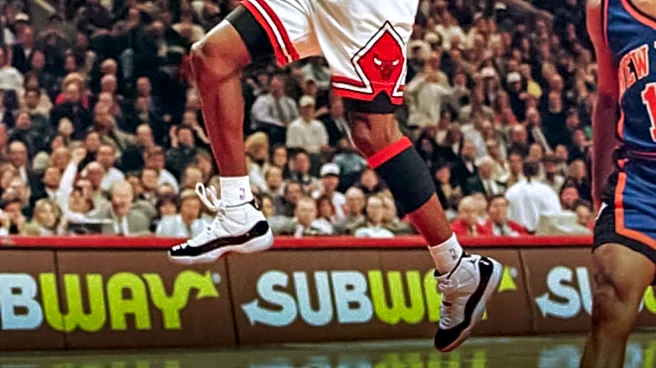
The 1997-98 Chicago Bulls season, while culminating in a second consecutive NBA championship, signaled the end of a dominant era for the franchise. General Manager Jerry Reinsdorf faced the challenge of managing an aging roster, including a legendary
superstar, Michael Jordan, in his mid-30s. The team entered the season following their 1997 NBA Finals victory, but faced systemic fatigue and intense scrutiny. Despite these challenges, the Bulls finished the regular season with a 62-20 record, securing the top seed in the Eastern Conference. Jordan continued to deliver a statistical masterclass, averaging 28.7 points, 3.5 assists, and 2.1 steals per game, though his athleticism was increasingly replaced by guile and basketball IQ. Teammate Scottie Pippen also carried a significant load, contributing as an all-around force despite occasional friction with Jordan. The supporting cast provided mixed contributions, with Toni Kukoč emerging as a versatile sixth man, but overall depth was tested.
Why It's Important?
The 1998 season is historically significant as it marked the conclusion of one of the most dominant dynasties in NBA history. The team's struggle with aging players and internal dynamics highlighted the inherent challenges of sustaining peak performance over many years, even with unparalleled talent like Michael Jordan. This period demonstrated the critical role of management, exemplified by Jerry Reinsdorf's task of navigating a team at the precipice of decline while still aiming for championship success. The eventual dispersal of the team's core after this season had a profound impact on the NBA's competitive landscape, ushering in a new era and allowing other franchises to rise. The 'Last Shot' by Jordan against the Utah Jazz in the Finals became an iconic moment, symbolizing not just individual brilliance but also the team's final, exhaustive push for greatness, leaving a lasting legacy on sports culture and the perception of athletic dynasties.
What's Next?
Following the 1998 championship, the Chicago Bulls dynasty effectively dissolved. Michael Jordan retired from the NBA for a second time, and key players like Scottie Pippen and Dennis Rodman departed the team. This led to a significant rebuilding phase for the Bulls, marking a stark contrast to their decade of dominance. The league itself entered a new competitive landscape, with emerging stars and teams vying for supremacy. The Bulls would spend several years in a rebuilding process, attempting to find new talent and establish a new identity without their legendary core. The 1998 season's conclusion served as a clear demarcation point, ending one of the most celebrated eras in professional sports and initiating a period of transition for the franchise and the NBA.
Beyond the Headlines
The 1998 Chicago Bulls season offers a deeper look into the complexities of managing a highly successful sports franchise at its peak and eventual decline. It highlights the immense pressure on athletes to maintain elite performance as they age, the strategic decisions faced by general managers regarding roster construction and player contracts, and the emotional toll that sustained success can take on a team. The narrative of the 'Last Dance' season also explores themes of legacy, the pursuit of perfection, and the bittersweet nature of endings. It underscores how even the greatest teams eventually face the inevitable forces of time and change, providing a compelling case study in sports management, team dynamics, and the human element of athletic competition. The season's end was not just a sports event but a cultural moment, signifying the close of an era that transcended basketball.