



What's Happening?
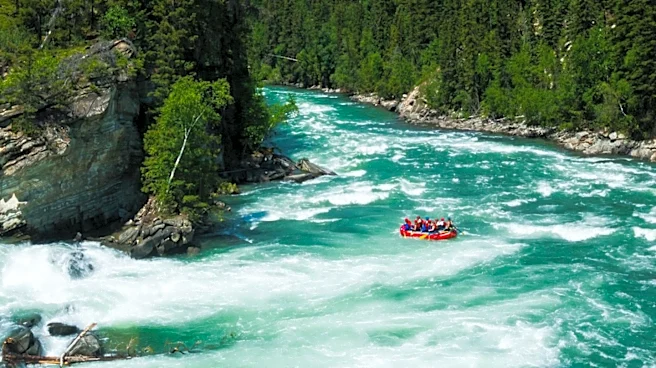
Whitewater rafting experiences are currently available in several distinct U.S. locations, catering to various preferences from urban adventures to family-friendly excursions. In Richmond, Virginia, whitewater rafting is uniquely accessible directly through
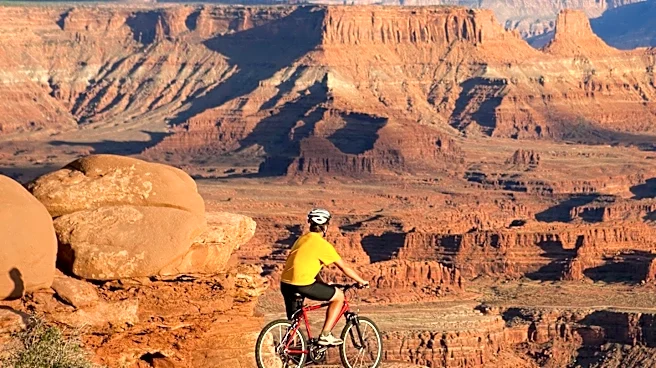
the city on the James River. Further south, Copperhill, Tennessee, offers a vacation rental package that includes complimentary whitewater rafting and ziplining on the Ocoee River. For those seeking a family-oriented experience in the Western U.S., Moab, Utah, provides whitewater rafting trips specifically designed for families along the scenic Fisher Towers stretch. These offerings highlight the diverse geographical and experiential range of whitewater rafting activities available to the public.
Why It's Important?
The availability of diverse whitewater rafting experiences across the U.S. is important for several reasons. It supports local tourism economies in areas like Richmond, VA, Copperhill, TN, and Moab, UT, by attracting visitors seeking outdoor adventure. This influx of tourism can lead to job creation in hospitality, guiding services, and related retail sectors. For communities, these activities provide recreational opportunities that promote physical activity and engagement with natural environments. The variety of options, from urban river runs to remote family trips, ensures that whitewater rafting remains accessible to a broad demographic, fostering appreciation for natural waterways and potentially encouraging conservation efforts. The economic impact extends to small businesses that supply gear, food, and lodging to rafters.
What's Next?
Looking ahead, the continued popularity of whitewater rafting is likely to drive further development in adventure tourism. Local businesses and tourism boards in these regions may expand their offerings, potentially introducing new routes, specialized tours, or multi-day packages to cater to growing demand. There could also be increased focus on sustainable tourism practices to preserve the natural integrity of these river systems, especially in urban areas like Richmond where the James River runs through the city. Additionally, as outdoor recreation continues to gain traction, more regions might explore the potential for developing or enhancing their own whitewater rafting programs, contributing to a broader national trend of nature-based tourism.
Beyond the Headlines
Beyond the immediate economic and recreational benefits, the widespread availability of whitewater rafting carries deeper implications for environmental stewardship and community development. Engaging with natural river systems through activities like rafting can foster a stronger connection to nature among participants, potentially increasing public support for river conservation and water quality initiatives. For urban areas, integrating whitewater rafting into the city landscape, as seen in Richmond, can redefine urban recreation and highlight the ecological value of city rivers. This can lead to enhanced public access to green spaces and blue infrastructure, improving urban quality of life and promoting a healthier, more active citizenry. The blend of adventure and nature also offers mental health benefits, providing an escape from daily stressors and promoting well-being.