







What's Happening?
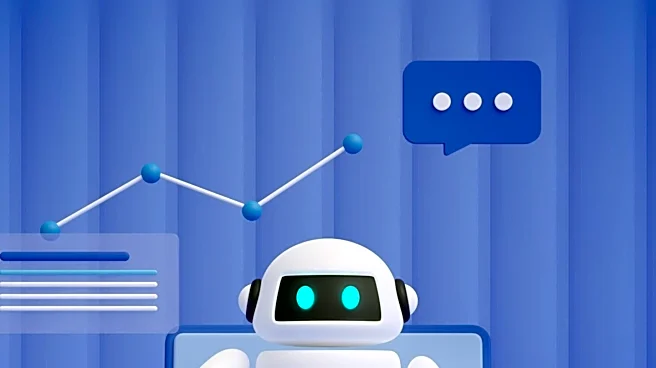
Automated customer service assistants are transforming contact center operations by managing high volumes of conversations across chat and voice. These AI-powered tools are designed to answer routine questions, direct customers to appropriate resources,
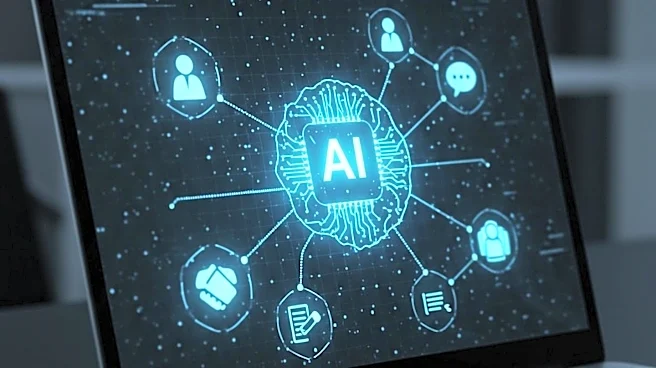
and significantly reduce the number of tickets requiring live agent intervention. Beyond handling basic inquiries, these assistants also provide real-time guidance, customer context, and automated notes to human agents during more complex interactions. For instance, the Xima AI Messaging Bot facilitates customer conversations via web chat and SMS, while RingCX AI assists support teams in capturing crucial details during interactions, thereby minimizing administrative tasks. These systems leverage private company PDFs, knowledge bases, and web URLs to provide accurate information and can integrate with CRMs to verify customer records and account statuses. When human support becomes necessary, these bots seamlessly transfer conversations to live agents, providing a complete chat history and customer context to ensure a smooth transition.
Why It's Important?
The integration of automated customer service assistants is crucial for U.S. businesses, particularly contact centers, as it addresses the growing need for efficiency and scalability in customer support. By automating routine inquiries, companies can significantly reduce operational costs and improve response times, leading to higher customer satisfaction. This shift allows human agents to focus on more complex, sensitive, or high-value interactions that require critical thinking, empathy, and problem-solving skills, thereby optimizing their expertise. The ability of these AI tools to connect with existing business systems like CRMs ensures data consistency and personalized customer experiences. Furthermore, the reduction in administrative workload for agents, such as automated note-taking and post-call summaries, frees up valuable time, enabling them to handle more customer interactions and improve overall productivity. This technological advancement is reshaping the customer service landscape, making it more agile and responsive to fluctuating customer demands.
What's Next?
The future of automated customer service assistants will likely see continued advancements in their ability to understand and respond to complex queries, further reducing the need for human intervention in routine tasks. Companies will increasingly focus on integrating these AI tools more deeply into their existing workflows and systems, ensuring seamless data flow and a unified customer experience across all channels. There will be a greater emphasis on developing AI that can handle nuanced conversations and adapt to changes in caller intent, potentially leading to more sophisticated self-service options. Additionally, the development of AI voice bots that can answer inbound calls with natural, LLM-based conversations, rather than rigid IVR menus, is expected to become more prevalent. This evolution will enable businesses to provide 24/7 support and manage peak call volumes more effectively, while also offering customers the option to speak with a live agent when needed.
Beyond the Headlines
The widespread adoption of automated customer service assistants raises deeper implications concerning the future of work and the evolving skill sets required for customer service professionals. While AI handles repetitive tasks, human agents will need to cultivate advanced problem-solving, emotional intelligence, and communication skills to manage the more intricate and emotionally charged customer interactions. This shift could lead to a redefinition of customer service roles, emphasizing human-centric skills that AI cannot replicate. There are also ethical considerations regarding data privacy and the responsible use of AI in handling sensitive customer information. Ensuring transparency in AI interactions and maintaining a balance between automation and human touch will be critical for building customer trust. Ultimately, this technological evolution could foster a more specialized and value-driven customer service industry, where human expertise is leveraged for its unique capabilities, complemented by the efficiency of AI.