







What's Happening?
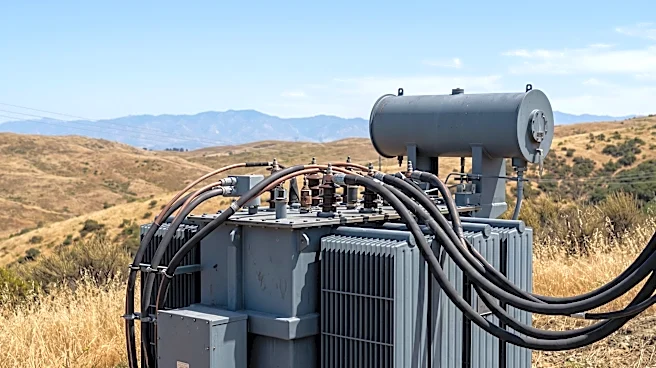
PG&E has become the first energy utility globally to receive emergency management accreditation from the Emergency Management Accreditation Program (EMAP). This recognition covers PG&E's processes for readiness, response, and recovery during major crises.
EMAP accreditation is an internationally recognized standard often used by public agencies to evaluate emergency management capabilities. PG&E operates a large regulated utility, Pacific Gas and Electric Company, providing electricity and natural gas across northern and central California. This accreditation signifies an upgrade to its emergency readiness, impacting a broad network of residential, commercial, and critical infrastructure customers. The company's third-quarter net income was reported at US$749 million, with core earnings guidance continuing to be a significant factor in its financial performance.
Why It's Important?
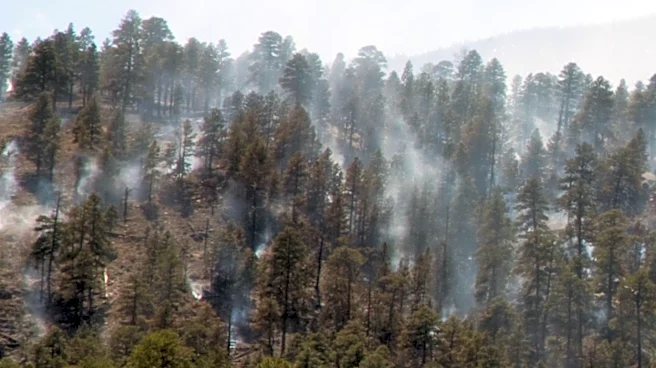
This accreditation is a significant development for PG&E, particularly given its history with wildfire liabilities and the ongoing focus on grid resilience and investment. While the EMAP seal provides a concrete indicator of emergency readiness, it does not directly address the core concerns regarding California's wildfire liability framework or the AB 1054 fund. However, it aligns with the company's narrative of resilience and grid investment, which includes initiatives like undergrounding, advanced sensing, and data center-driven load to justify substantial infrastructure spending and efficiency improvements. For investors, the true measure of this accreditation's impact will be observed in future fire seasons, specifically whether there are fewer large service disruptions and lower emergency-related costs, which would be reflected in PG&E's reported non-fuel operations and maintenance trends and Public Safety Power Shutoff statistics.
What's Next?
The immediate focus will be on monitoring PG&E's performance in upcoming fire seasons to see if the EMAP accreditation translates into tangible improvements in service disruption reduction and cost management. The company's ongoing US$73 billion capital plan, which includes significant infrastructure spending, will continue to be a key area of observation for analysts and investors. The effectiveness of the accreditation in mitigating wildfire-related risks and improving overall grid reliability will be crucial for PG&E's long-term stability and public perception. Stakeholders will also be watching for any further developments regarding California's wildfire liability framework and the AB 1054 fund, as these remain critical factors influencing the utility's risk profile.
Beyond the Headlines
Beyond the immediate operational and financial implications, PG&E's EMAP accreditation highlights a broader trend in the utility sector towards enhanced emergency preparedness and resilience in the face of increasing climate-related challenges. This move could set a precedent for other energy utilities, encouraging them to pursue similar accreditations and invest more heavily in robust emergency management systems. The emphasis on resilience and grid investment also underscores the evolving nature of critical infrastructure, where technological advancements and proactive measures are becoming essential for maintaining reliable service. This development could influence regulatory expectations and public demand for higher standards of emergency preparedness across the energy industry, potentially leading to a more resilient national energy infrastructure.