




What's Happening?
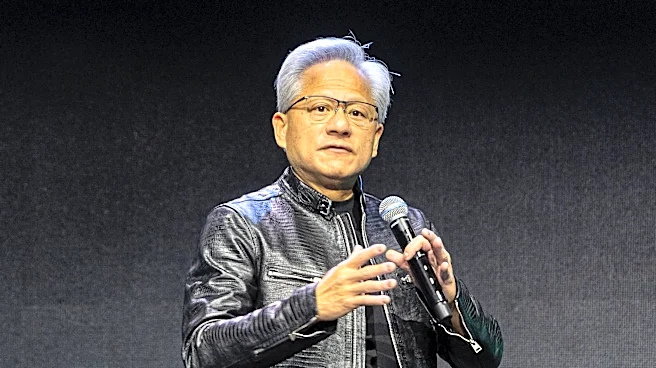
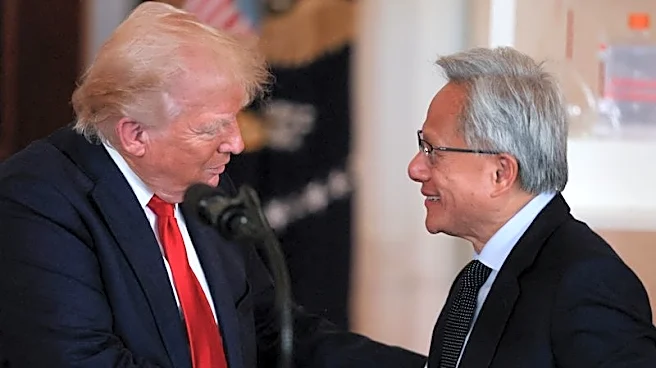
Nvidia's board of directors has unanimously voted to reinstate Jensen Huang as CEO, effective immediately. This decision led to a significant 26% jump in the company's stock. The board stated that it received input from 'senior levels of the United States
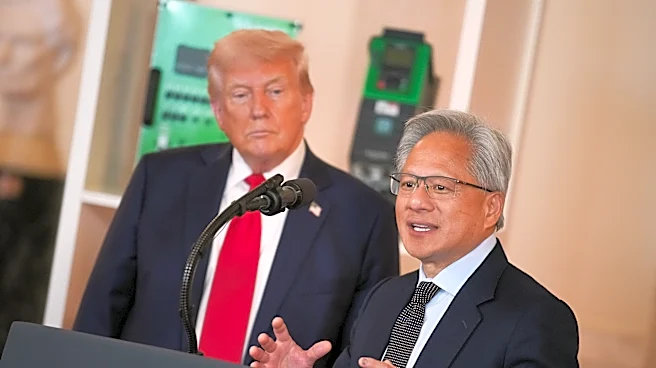
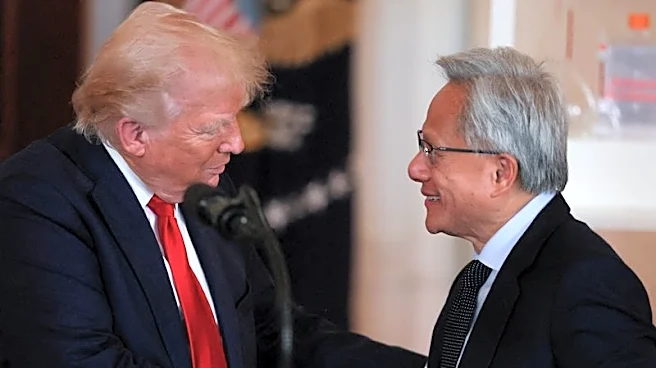
government' and is confident that Huang's reinstatement poses no national security risk. This development follows a period of intense scrutiny for Nvidia, including a New York Times report alleging that Alice Wong, a suspected Chinese spy with whom Huang had an affair, was in contact with China's Ministry of State Security during their relationship. Additionally, Reuters reported that the SEC is investigating Nvidia's accounting practices. Despite the reinstatement, an independent-director committee, with independent counsel, will continue its investigation into the foreign intelligence matter, and Huang has pledged full cooperation. President Trump publicly supported Huang's return on Truth Social, calling it 'the best thing for the company and also for the US.'
Why It's Important?
The reinstatement of Jensen Huang as Nvidia CEO carries significant implications for the U.S. technology sector and national security. Nvidia is a critical player in the artificial intelligence ecosystem, and leadership stability is crucial for its continued innovation and market position. The involvement of 'senior levels of the United States government' in the board's decision highlights the strategic importance of Nvidia to national interests, particularly concerning AI development and potential foreign influence. The ongoing investigations by an independent committee and the SEC into foreign intelligence matters and accounting practices underscore the heightened regulatory and geopolitical risks faced by major U.S. tech companies. The market's positive reaction to Huang's return suggests investor confidence in his leadership, but the unresolved investigations could introduce future volatility. This situation also reflects the complex interplay between corporate governance, national security, and political influence in the U.S. business landscape.
What's Next?
Despite Jensen Huang's reinstatement, several critical processes are still underway. The independent committee's investigation into the foreign intelligence matter will continue, as will the SEC's review of Nvidia's accounting practices. These investigations could lead to further disclosures, potential penalties, or changes in corporate governance. Congressional testimony related to these issues may also be anticipated, as the government has already shown interest in the company's leadership. The market will closely watch the outcomes of these inquiries, as any negative findings could impact Nvidia's stock performance and reputation. Furthermore, the broader implications for U.S. policy regarding the oversight of critical technology companies and their interactions with foreign entities are likely to be debated. The situation could also influence future government involvement in corporate leadership decisions, particularly for companies deemed vital to national security.
Beyond the Headlines
The Nvidia situation extends beyond immediate corporate governance and market reactions, touching upon deeper ethical and national security concerns. The alleged involvement of a suspected Chinese spy with a CEO of a leading U.S. technology company raises profound questions about corporate espionage, intellectual property protection, and the vulnerability of critical infrastructure to foreign influence. The government's intervention in the CEO's reinstatement, even if advisory, blurs the lines between private enterprise and state interests, potentially setting a precedent for future interventions in strategically important industries. This case also highlights the challenges of maintaining transparency and accountability in an era of complex global supply chains and geopolitical competition. The long-term implications could include stricter regulations on executive conduct, enhanced cybersecurity measures, and a re-evaluation of how U.S. companies manage relationships with foreign nationals, particularly those from rival nations. The ethical dimensions of personal relationships intersecting with national security interests will likely be a subject of ongoing discussion.