








What's Happening?
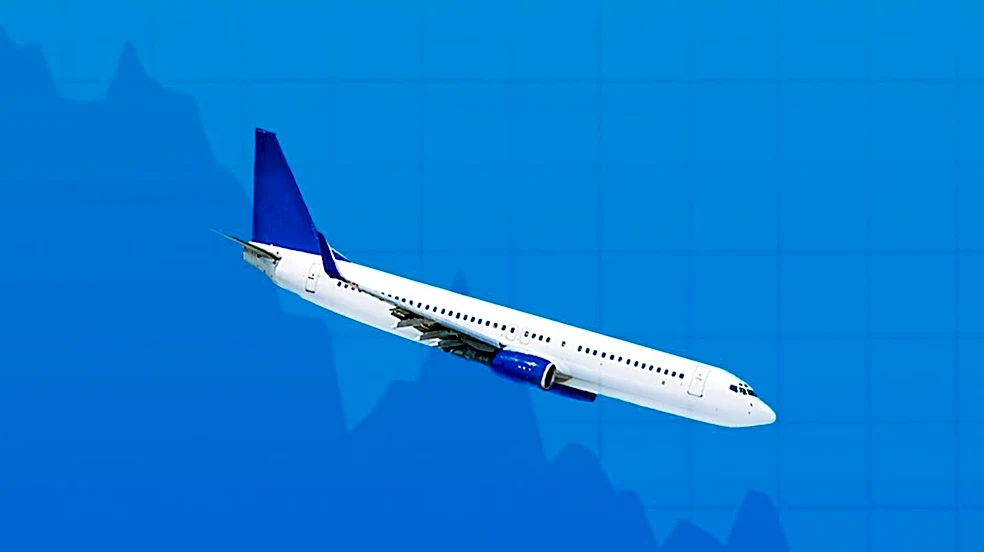
Germany's aviation market is experiencing a decline in winter capacity, with airlines offering fewer seats compared to the previous year. Data from OAG Schedules Analyser indicates that approximately 47.95 million departure seats will be available from German airports
during winter 2026-27, marking a 1.3% year-over-year decrease and representing 88% of pre-pandemic capacity. This contrasts sharply with the rest of Europe, where capacity is projected to reach 118% of 2019 levels. The primary reason cited for this decline is Germany's high government-imposed aviation costs, including taxes and charges, which increased by €1.1 billion ($1.3 billion) in 2025 to €4.3 billion. These costs add an estimated €30 to a typical one-way European fare from Germany, making it one of the most expensive markets for airlines.
Why It's Important?
This trend is significant as it highlights the impact of government policies and operating costs on airline route planning and capacity deployment. The decline in domestic capacity, specifically an 8.8% drop to 6.43 million seats, accounts for nearly all of the market's net contraction, while international capacity remains flat. This indicates that airlines are prioritizing more profitable international routes or shifting capacity to lower-cost markets outside Germany. For German travelers, this could mean fewer domestic flight options and potentially higher fares due to reduced competition. For the German economy, a subdued aviation sector can impact tourism, business travel, and overall connectivity, potentially hindering economic growth and competitiveness compared to other European nations that are seeing capacity expansion.
What's Next?
While the German government has initiated some measures to reduce aviation taxes, such as lowering short-haul aviation tax by €2.50 to €13.03 per passenger from July 1, the winter schedule suggests these changes have not yet prompted a broad capacity response. Industry stakeholders, including the German aviation industry association BDL, are calling for further action to reduce costs and bureaucracy. Major hubs like Frankfurt and Munich are investing in long-term international demand with new terminals, but airlines like Lufthansa are reshaping their operations by directing flying toward lower-cost units and prioritizing long-haul services. Future developments will likely involve continued lobbying by the aviation industry for further cost reductions and potential strategic adjustments by airlines to optimize their German operations.
Beyond the Headlines
The situation in Germany reflects a broader challenge faced by mature economies where high regulatory costs and taxes can stifle growth in key sectors. The divergence between Germany's aviation capacity and the rest of Europe suggests a potential competitive disadvantage that could have long-term implications for its status as a global economic hub. This scenario also underscores the delicate balance governments must strike between generating revenue through taxes and fostering a competitive business environment. If the trend continues, it could lead to a permanent shift in aviation traffic patterns, with Germany becoming a less attractive destination for airlines to base operations or expand services, potentially impacting its connectivity and economic influence on the global stage. The focus on international leisure and VFR markets, while domestic links suffer, indicates a strategic adaptation by airlines to the prevailing cost environment.