


What's Happening?
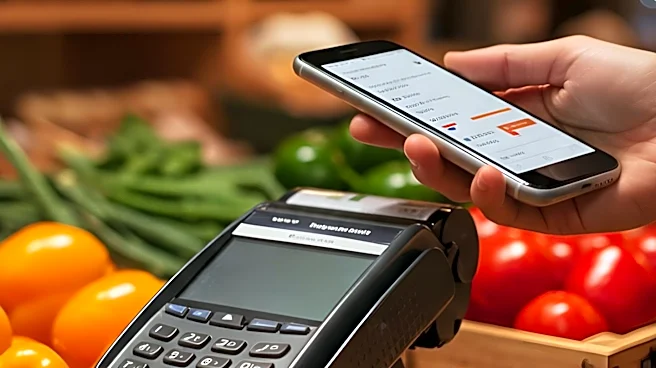
Cashierless payment systems are becoming increasingly prevalent across various sectors in the U.S., including retail, streaming services, and Software as a Service (SaaS) platforms. This trend is driven by the desire for frictionless transactions, where
payments are automated in the background, removing manual steps for consumers. Examples include ride-sharing apps, one-click checkouts, subscription platforms, and smart retail stores. The Orlando Magic's Kia Center, for instance, has implemented a 100% cashless system for all concession and merchandise sales, offering a cashierless store for express purchases of beverages and snacks. This shift is transforming consumer psychology around money movement, as businesses recognize that reduced friction in the user experience typically leads to higher conversion rates. The expansion of these invisible payments is anticipated to extend into connected vehicles, IoT devices, smart appliances, wearable technology, and voice-driven purchases.
Why It's Important?
The widespread adoption of cashierless payment systems signifies a major transformation in U.S. commerce, impacting both businesses and consumers. For businesses, the primary benefit is increased conversion rates due to reduced checkout abandonment, as long payment processes are a significant deterrent for online shoppers. This is particularly crucial for mobile commerce, where smaller screens necessitate smoother experiences. However, this convenience also introduces growing security concerns for consumers. Questions are emerging regarding who stores payment data, the security of automatic payments, and the ease of disputing transactions. Fintech companies are now heavily competing on security transparency to address these trust challenges. The move towards invisible payments also has implications for employment in retail, potentially reducing the need for cashiers, and for data privacy regulations, as more personal payment information is collected and processed automatically.
What's Next?
The trend of invisible payments is expected to continue its expansion into new technological frontiers. Consumers can anticipate seeing these systems integrated into connected vehicles for services like fuel or tolls, IoT devices, smart appliances for automated reordering, wearable technology for tap-and-go payments, and voice-driven purchases through smart assistants. This ongoing integration will further blur the lines between commerce and technology, making transactions even more seamless and less noticeable. As this technology evolves, there will likely be increased pressure on fintech companies and regulatory bodies to establish clearer guidelines and enhanced security measures to protect consumer data and ensure transparent dispute resolution processes. Businesses will continue to innovate to make payment experiences as effortless as possible, potentially leading to new business models and service offerings built around automated transactions.
Beyond the Headlines
The shift towards cashierless and invisible payments has profound ethical and societal implications beyond mere convenience. Psychologically, it changes how consumers perceive and interact with money, potentially leading to less conscious spending as transactions become almost imperceptible. This 'paying without thinking' behavior could impact personal financial management and budgeting. Legally, the increasing collection and storage of payment data by various entities raise significant privacy concerns, necessitating robust data protection frameworks. The potential for algorithmic bias in automated payment systems and the exclusion of individuals who prefer or rely on cash payments also present ethical challenges. Culturally, it marks a further step towards a cashless society, which could have varied impacts on different demographics and economic strata, particularly those with limited access to digital payment methods or banking services. The long-term societal impact on financial literacy and consumer autonomy warrants careful consideration as these systems become more ubiquitous.