








What's Happening?
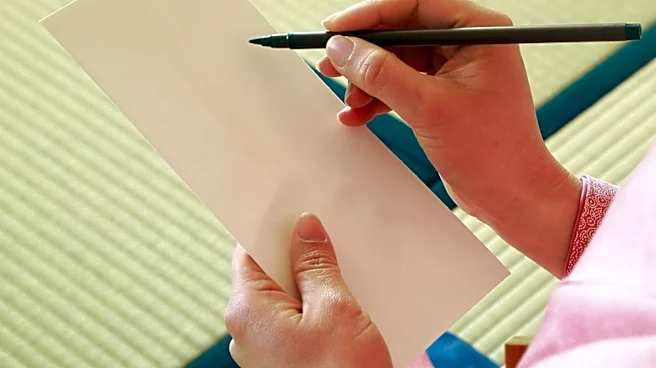
Researchers at Kyushu University have found that traditional Japanese Igusa mats, made from rush grass, are associated with increased brain activity related to concentration and engagement, as well as reduced tension and anxiety. The study, published
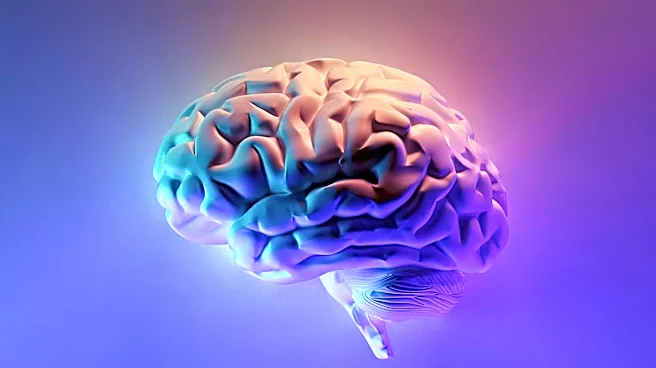
in Scientific Reports, involved volunteers sitting on either Igusa mats or unscented polypropylene plastic mats while performing tasks. Electroencephalograph (EEG) measurements showed increased beta wave activity in specific brain regions when participants were on Igusa mats, indicating enhanced focus and cognitive engagement. Additionally, gamma wave activity showed clear changes between resting and task periods, and alpha wave activity remained more stable during rest, suggesting improved stress resilience. Participants also reported reduced tension and anxiety after using the Igusa mats.
Why It's Important?
This research highlights the potential health benefits of traditional materials and environmental design, which could have implications for wellness and productivity in the U.S. The findings suggest that incorporating natural elements like Igusa mats into living and working spaces could offer a non-pharmacological approach to improving focus and reducing stress. For industries focused on office design, educational environments, or therapeutic spaces, this could lead to innovative applications aimed at enhancing cognitive function and mental well-being. The study also underscores the value of exploring traditional practices through scientific methods, potentially opening new markets for natural products and design philosophies that promote a healthier lifestyle. As stress and attention deficits are prevalent concerns in modern U.S. society, accessible solutions like Igusa mats could offer a simple yet effective intervention.
What's Next?
The researchers plan to replicate the experiment with a larger and more diverse population and investigate the long-term effects of Igusa mat use. If further studies confirm these benefits, there could be increased interest in importing or manufacturing Igusa mats and similar natural products for use in U.S. homes, offices, and public spaces. This could lead to new trends in interior design and wellness products. Companies might explore integrating Igusa materials into furniture or flooring to create environments conducive to focus and relaxation. Additionally, the findings could inspire more research into the physiological and psychological impacts of other natural materials and traditional design elements, potentially influencing architectural and design standards aimed at promoting human well-being.
Beyond the Headlines
This study delves into the subtle yet profound ways our physical environment can influence our mental and emotional states. It suggests that sensory experiences, such as the scent and texture of natural materials, play a significant role in cognitive function and stress regulation. This goes beyond mere aesthetics, pointing to a deeper connection between nature, tradition, and human well-being. In a technologically driven society, the re-emphasis on natural, tactile experiences could foster a greater appreciation for sustainable materials and mindful living. The research also highlights the potential for cross-cultural learning, where traditional wisdom from one culture can offer valuable insights and practical solutions for contemporary challenges in another, such as stress and lack of focus in the U.S.