






What's Happening?
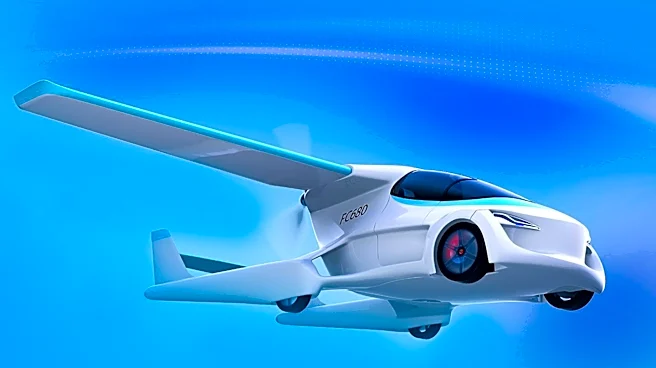
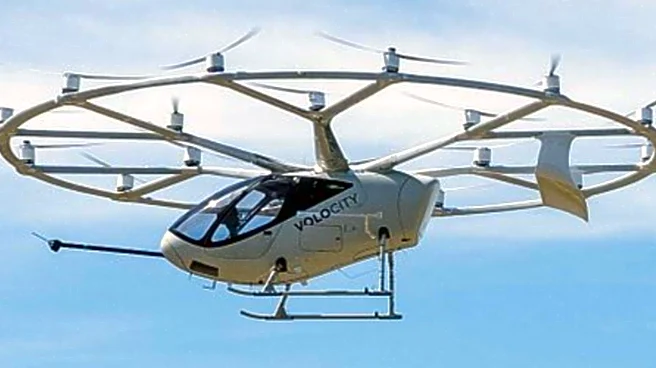
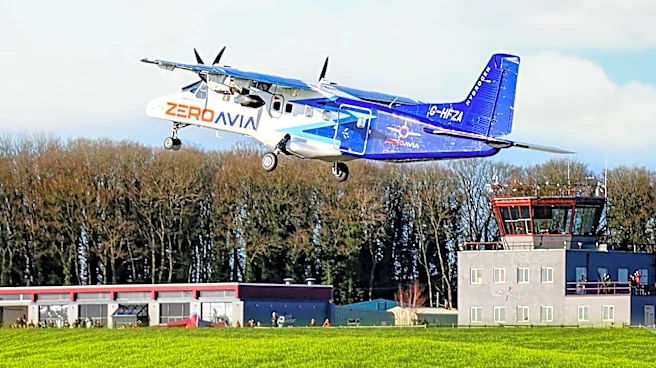
The UK air traffic control provider, NATS, is gearing up to integrate all-electric and hybrid-electric aircraft into its air traffic management systems. This initiative was highlighted at the Farnborough air show, where NATS showcased its plans to address
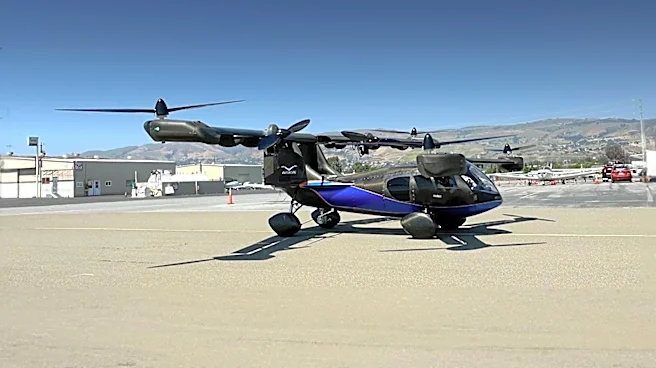
the challenges posed by these new types of aircraft. Ian Jopson, NATS' sustainability director, noted the normalcy of the Beta Technologies Alia CX300 all-electric aircraft during a flying display, emphasizing the need for preparation in integrating such aircraft into existing systems. A significant challenge is ensuring that electric aircraft, like those ordered by Scottish regional carrier Loganair, can land without delay due to their inability to hold in patterns like conventional aircraft. This is crucial as holding patterns would require recharging, which is not feasible mid-air. NATS is also participating in a contrail-monitoring trial over the North Atlantic to address non-CO2 emissions, as part of a broader decarbonization effort.
Why It's Important?
The integration of electric aircraft into air traffic management is a critical step towards reducing aviation's carbon footprint. As the aviation industry seeks to achieve net-zero emissions by 2050, the role of air traffic control in managing new aircraft types becomes increasingly significant. NATS' efforts to improve airspace efficiency could potentially reduce emissions by about 4%, contributing to the industry's decarbonization goals. The successful integration of electric aircraft will not only support environmental objectives but also set a precedent for other regions to follow. This transition is vital for the aviation sector, which is under pressure to innovate and reduce its environmental impact.
What's Next?
NATS will continue to refine its air traffic management strategies to accommodate electric aircraft, ensuring that they can operate efficiently alongside conventional jets. The upcoming contrail-monitoring trial will provide insights into reducing non-CO2 emissions, further supporting sustainability goals. As the industry moves towards net-zero emissions, collaboration with government bodies for funding and policy support will be crucial. The outcomes of these initiatives could influence global aviation policies and encourage other countries to adopt similar measures.