


What's Happening?
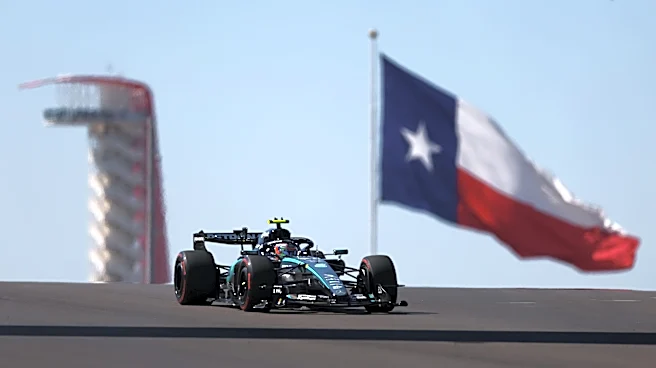
Oliver Bearman, a Haas driver, has stated he has no regrets regarding his collision with Pierre Gasly during the United States Grand Prix in Texas, despite the incident ultimately leading to his retirement from the race. The event occurred during the early
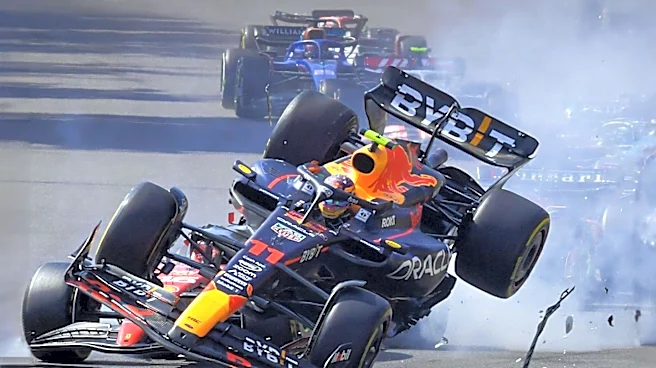
laps following a Virtual Safety Car period. Bearman attempted an overtake on Gasly at Turn 13, resulting in contact between their cars. Bearman's car sustained significant floor damage, and he was subsequently issued a 10-second penalty by the stewards. He expressed frustration with the penalty, deeming it excessive for what he considered a racing incident. Bearman argued that he did not receive sufficient space from Gasly and that he could not have avoided the contact once committed to the move. The damage to his car progressively worsened, forcing him to retire on lap 24 of 56. Gasly, whose car also suffered damage, managed to finish 10th, securing a single point, but claimed the damage hindered his ability to contend for a higher position.
Why It's Important?
This incident highlights the high-stakes nature of Formula 1 racing, particularly for teams like Haas that are not consistently at the front of the grid. Bearman's justification for his aggressive move—that Haas needs to take risks to score points due to a lack of inherent speed—underscores the competitive pressures faced by smaller teams. The differing perspectives on the incident between Bearman and the race stewards, as well as Gasly, bring into focus the subjective interpretation of racing incidents and the consistency of penalty application in F1. For Haas, a retirement due to a racing incident is a significant setback, impacting their standing in the constructors' championship and potentially affecting team morale and strategic decisions for future races. The damage sustained by both cars also carries financial implications for the teams involved, requiring repairs and potentially impacting development budgets.
What's Next?
Following the United States Grand Prix, the focus will likely shift to the upcoming races and how both Haas and Alpine will address the consequences of this incident. Bearman's comments suggest a continued aggressive approach might be necessary for Haas to compete for points, which could lead to further on-track confrontations. The stewards' decision to issue a 10-second penalty, which Bearman criticized as 'crazy,' may fuel ongoing discussions within the F1 community about penalty consistency and driver conduct. Both teams will need to assess the damage to their cars and ensure they are fully prepared for the next event. For Bearman, the incident serves as a learning experience in navigating aggressive overtakes and managing race incidents, while for Gasly, it underscores the importance of minimizing contact to preserve race performance and points opportunities.
Beyond the Headlines
The incident between Oliver Bearman and Pierre Gasly touches upon broader themes within professional motorsport, including the balance between aggressive driving and fair play, and the role of race stewards in maintaining competitive integrity. Bearman's assertion that Haas must take risks due to their car's performance limitations raises questions about the competitive equity within Formula 1 and whether current regulations adequately support smaller teams. The debate over whether the collision was a 'racing incident' or a penalizable offense reflects the inherent tension between drivers pushing limits and the need for safety and fair competition. This event could contribute to future discussions among drivers, teams, and the FIA regarding racing rules, penalty guidelines, and the interpretation of on-track maneuvers, potentially influencing how similar situations are judged in subsequent races and seasons.