


What's Happening?
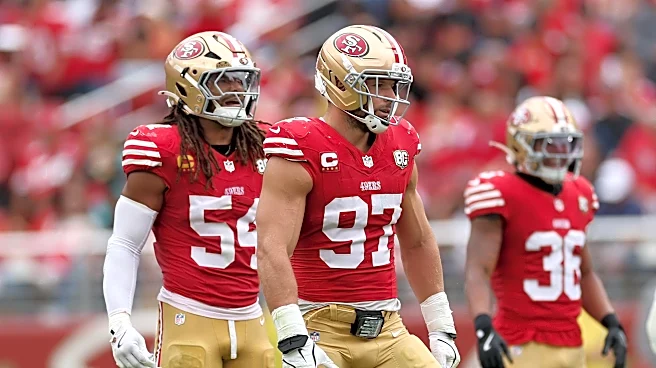
Mayor Daniel Lurie announced that major special events hosted in San Francisco have collectively generated more than $1 billion in economic impact for the city. This includes events like Super Bowl LX, which brought in an estimated $425 million, and six
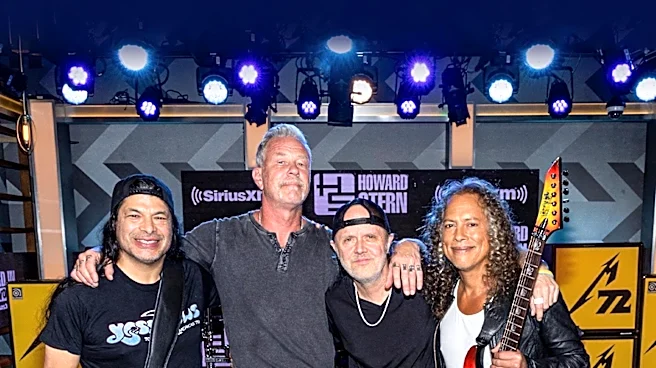
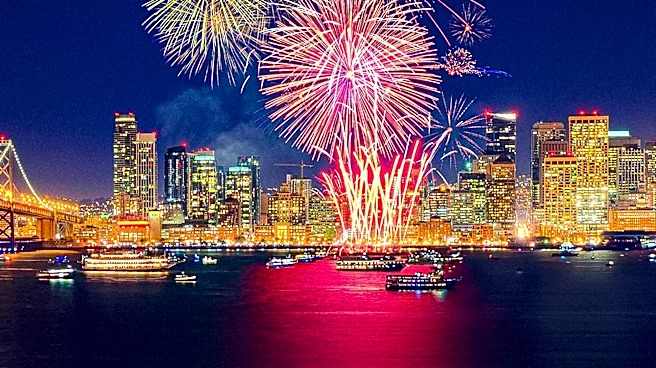
FIFA World Cup matches, contributing approximately $240 million. Fleet Week alone generated over $200 million. Other significant contributors include SF Pride ($357 million), 'Summer of Music' ($193 million), Dreamforce ($130 million), and the Pokémon World Championships ($130 million). These events have attracted hundreds of thousands of visitors, supporting local businesses, creating jobs, and generating tax revenue for essential city services. The city is also preparing to host the WNBA All-Star Game in 2027 and the MLB All-Star Game in 2028, with tourism numbers on track for record highs in 2026 and 2027.
Why It's Important?
The substantial economic impact from these large-scale events is crucial for San Francisco's ongoing recovery and economic stability. The influx of over $1 billion directly benefits various sectors, including hospitality, retail, and small businesses, by increasing patronage at hotels, restaurants, and shops. This economic activity supports tens of thousands of jobs and generates significant tax revenue, which is vital for funding public services like street maintenance, park upkeep, and affordable transit. The successful hosting of major international and national events also enhances San Francisco's reputation as a premier global destination, attracting future events and further boosting tourism and investment. This strategy helps diversify the city's economy and provides a robust framework for sustained growth and community benefit.
What's Next?
San Francisco is set to continue its momentum by hosting additional major events, including the WNBA All-Star Game in 2027 and the MLB All-Star Game in 2028. The city's Office of Economic and Workforce Development (OEWD) aims to extend the impact of these events beyond the immediate venues into commercial corridors, driving foot traffic to local businesses. Initiatives like 'Shop Dine World Cup SF' and 'Shop Dine Pokémon World Championships' have already demonstrated success in connecting visitors with local businesses. The San Francisco Municipal Transportation Agency (SFMTA) will continue to support these events with efficient transportation plans. The focus will remain on maximizing the economic benefits for all neighborhoods and ensuring that the city's infrastructure can accommodate the increased visitor numbers and activity.
Beyond the Headlines
The city's reliance on large events for economic recovery highlights a broader strategy of leveraging cultural and sporting spectacles to stimulate urban revitalization. This approach not only provides immediate financial gains but also fosters a sense of community pride and showcases San Francisco's resilience. However, it also raises questions about the sustainability of such a model and the potential for over-reliance on external events rather than fostering organic, long-term local economic development. The success of these events underscores the importance of public-private partnerships and coordinated city services in managing large crowds and ensuring positive visitor experiences, which are critical for maintaining San Francisco's appeal as a global destination.