



What's Happening?
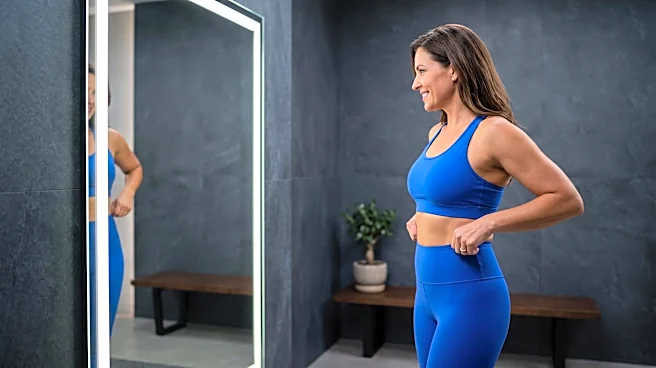
Julius Juul, co-founder of Heliot Emil, has launched a new activewear brand named 444, in collaboration with neuroscientist Davide Maccari. The brand's inception stemmed from the founders' personal experiences as ultramarathon runners, where they observed
a contradiction between their focus on health and the synthetic materials in their training gear. They noted that existing options were either natural materials lacking performance or high-performance synthetics made from plastic. The new brand aims to bridge this gap by offering activewear predominantly made from natural and bio-based fibers. The inaugural 'Uniform 001' collection, manufactured in Italy and Portugal, features 14 pieces with over 95 percent natural or bio-based content. Key materials include eucalyptus-derived lyocell, wool, corn-derived fibers for compression, and hemp, silk, and cashmere. The brand challenges the conventional activewear industry, which heavily relies on synthetics like polyester, nylon, and elastane, by redefining performance to include temperature regulation, odor resistance, and long-term durability.
Why It's Important?
The launch of 444 signifies a notable shift in the activewear industry towards sustainability and natural materials, potentially influencing consumer choices and manufacturing practices in the U.S. and globally. The dominance of synthetic fibers, with polyester alone accounting for approximately 59% of global fiber production and nearly 90% of that being virgin fossil-based, highlights the environmental impact of current activewear production. 444's commitment to natural and bio-based alternatives offers a more eco-conscious option for consumers concerned about sustainability. This initiative could encourage other U.S. and international brands to invest in research and development for natural performance fabrics, fostering innovation in textile science. Furthermore, by redefining 'performance' to include factors like temperature regulation and odor resistance in natural materials, 444 could set new industry standards, potentially leading to a broader market demand for sustainable activewear and a reduction in reliance on petroleum-based textiles.
What's Next?
444 is launching as a direct-to-consumer brand, with plans to also supply uniforms and guest kits to hotels and wellness spaces. This dual approach aims to achieve the necessary production volumes for their suppliers. The brand's immediate goal is to eliminate the small percentages of elastane currently used in some T-shirts, socks, and compression pieces within the next two years, as bio-based alternatives improve in performance. This commitment suggests ongoing innovation in material science and a continuous effort to achieve 100% natural or bio-based products. The success of 444 could prompt other major activewear brands to accelerate their own sustainable material initiatives, potentially leading to a wider availability of natural activewear options in the market. Future developments may include collaborations with other sustainable fashion brands or expansions into new product categories, further solidifying the brand's position in the eco-friendly activewear sector.
Beyond the Headlines
The emergence of brands like 444 highlights a growing consumer awareness and demand for sustainable products, extending beyond food and personal care into fashion and activewear. This trend reflects a deeper societal shift towards conscious consumption and a reevaluation of the environmental footprint of everyday items. The founders' personal journey, questioning the materials in their own training gear despite their health-conscious lifestyles, underscores a broader ethical consideration within the fashion industry. It challenges the notion that high performance must come at the expense of environmental sustainability. This movement could lead to a redefinition of 'luxury' in activewear, where natural, ethically sourced, and durable materials are valued over purely synthetic, disposable options. It also brings to light the potential for interdisciplinary collaboration, as seen with a neuroscientist co-founding a fashion brand, suggesting that innovative solutions to complex problems often arise from diverse perspectives.