






What's Happening?
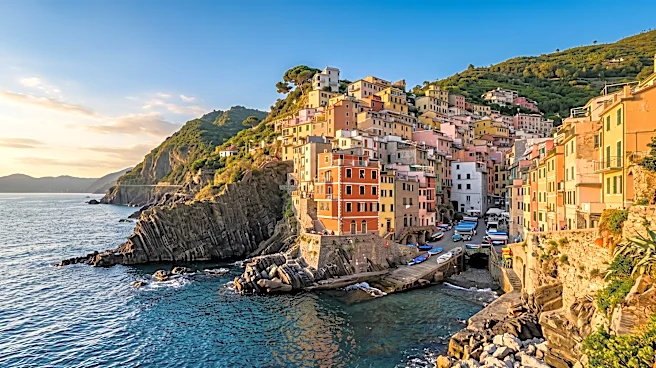
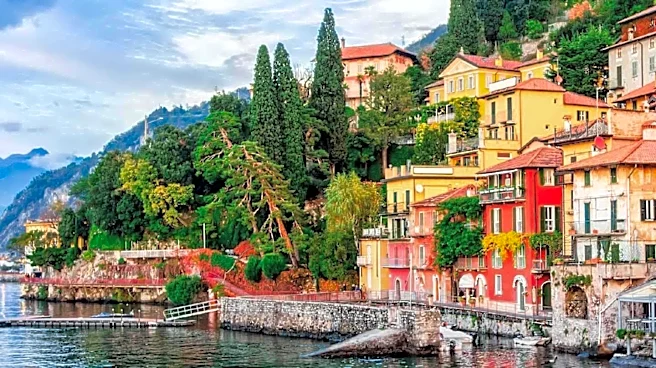
Planning a trip to Italy requires a balanced itinerary to fully appreciate its diverse offerings, according to travel advice. Italy boasts a wide array of attractions, including art cities, lakes, vineyards, islands, mountain roads, beaches, and historic
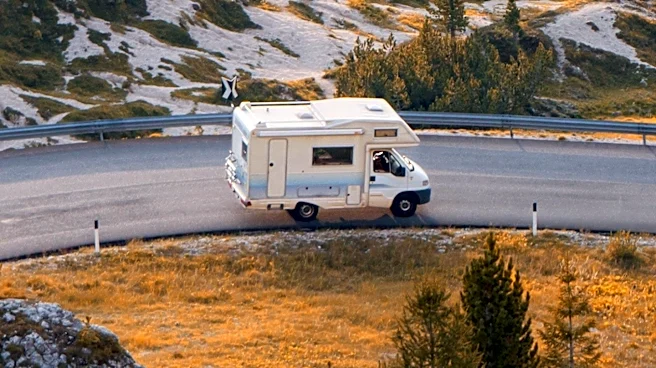
villages. Overplanning can lead to a rushed experience, so a balanced approach that alternates between busy sightseeing days and slower, more relaxed activities is recommended. Key takeaways for effective planning include choosing two or three main bases for one- to two-week trips, pairing major cities with smaller towns or natural landscapes, and utilizing appropriate transportation like trains for cities and cars for rural areas. Travelers should also allocate time for meals, unexpected discoveries, and adapt their routes to the season. The goal is to create a pace that allows for everyday pleasures such as coffee at a bar, scenic train rides, long lunches, and neighborhood walks, rather than attempting to cover the entire country in one go. This strategy ensures each destination serves a clear purpose and provides a richer travel experience.
Why It's Important?
This guidance is important for U.S. travelers as it directly impacts the quality and enjoyment of their international trips, particularly to popular destinations like Italy. By encouraging a balanced itinerary, the advice helps mitigate common issues such as traveler burnout, logistical stress, and the feeling of missing out due to over-scheduling. For the U.S. tourism industry, promoting such thoughtful travel planning can lead to more satisfied customers who are likely to travel again and recommend destinations, indirectly benefiting travel agencies, airlines, and related services. Furthermore, a more relaxed travel style can encourage deeper engagement with local cultures and economies, moving beyond superficial tourist traps. This approach also supports sustainable tourism by encouraging visitors to explore beyond the most crowded hotspots, potentially distributing economic benefits more broadly across Italy's regions. Ultimately, well-planned trips contribute to positive international relations through enhanced cultural understanding and appreciation.
What's Next?
Travelers planning future trips to Italy are encouraged to integrate these principles into their itinerary development. This involves researching specific regions and their unique offerings before selecting individual attractions, ensuring a natural flow to their route. Future travel guides and platforms may increasingly emphasize these balanced approaches, offering pre-designed itineraries that incorporate both major landmarks and quieter, local experiences. Tour operators might also adapt their packages to reflect this advice, providing options that allow for more flexibility and immersion. As travelers become more discerning, the demand for personalized and authentic experiences is likely to grow, pushing the travel industry to innovate in how it presents and facilitates international travel. Additionally, there may be a continued focus on promoting less-visited regions of Italy to help manage tourist flows and offer diverse experiences.
Beyond the Headlines
The emphasis on a balanced itinerary reflects a broader shift in travel philosophy, moving away from checklist tourism towards more experiential and mindful journeys. This trend has ethical implications, as it encourages travelers to engage more deeply with local communities and economies, fostering a greater appreciation for cultural nuances rather than merely consuming tourist attractions. Environmentally, by promoting slower travel and exploration of diverse regions, it can help alleviate pressure on over-touristed areas, contributing to more sustainable tourism practices. Culturally, this approach allows for genuine interactions and a more profound understanding of Italian life, moving beyond stereotypes. The long-term shift could see a redefinition of what constitutes a 'successful' trip, prioritizing personal enrichment and authentic connection over the sheer number of sights visited. This could also influence how travel is marketed, with a greater focus on the quality of experience rather than quantity.