





What's Happening?
WeRide, an autonomous driving technology company, reported an 88% year-over-year increase in third-quarter 2026 revenue, reaching RMB321.5 million ($48 million). This growth was significantly fueled by international expansion and a surge in Robotaxi revenue.
Gross profit rose to RMB138.1 million ($20.6 million), with the gross margin expanding to 43% from 32.9% in the prior year. Overseas revenue saw a 171.5% increase, contributing RMB146.9 million ($21.9 million) and accounting for 45.7% of the total quarterly revenue. Robotaxi revenue surpassed RMB100 million for the first time, marking a 204% year-over-year increase and contributing over 31% to WeRide’s total revenue. Over 90% of this Robotaxi revenue originated from international markets. Despite these gains, WeRide remained loss-making, reporting a quarterly loss of RMB310 million ($46.2 million), which was comparable to the previous year's loss.
Why It's Important?
WeRide's financial results highlight a critical phase in the autonomous vehicle industry, demonstrating that significant revenue growth and margin expansion are achievable, particularly through international market penetration. The substantial contribution of overseas operations to both overall revenue and gross margin indicates a successful strategy in commercializing autonomous driving technology beyond its domestic market. The milestone of Robotaxi revenue exceeding RMB100 million, predominantly from international markets, underscores the growing global demand and acceptance of autonomous ride-hailing services. However, the persistent quarterly losses, despite strong revenue growth, illustrate the high capital expenditure and operational costs associated with developing and deploying advanced autonomous driving systems. This situation reflects a broader challenge within the autonomous vehicle sector: balancing rapid technological advancement and market expansion with the path to profitability. The company's ability to achieve positive unit economics in its Guangzhou operation suggests that localized profitability is attainable, offering a potential blueprint for other regions.
What's Next?
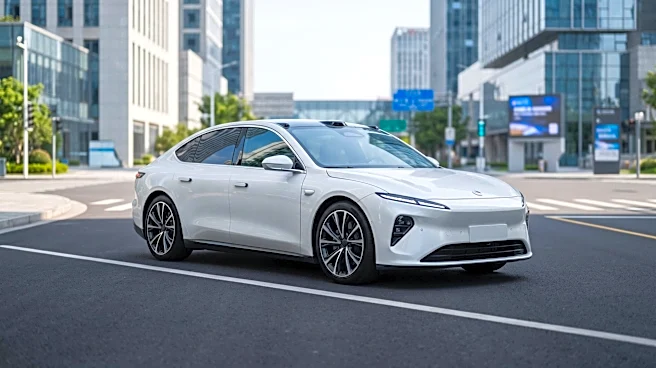
WeRide is expected to continue its aggressive international expansion strategy, building on its recent success in Europe and the Middle East. The company recently secured Spain’s first national operating permit for Level 4 autonomous passenger vehicles and is expanding its presence in Switzerland, Belgium, France, Slovakia, and other Middle Eastern countries. This ongoing internationalization will likely further increase overseas revenue contributions and potentially improve overall gross margins as higher-margin international operations scale. The focus will remain on converting its growing revenue into overall profitability, potentially through further operational efficiencies and increased utilization of its Level 4 autonomous vehicle fleet, which currently stands at approximately 4,100 vehicles globally. Future reports will likely detail progress on reducing quarterly losses and achieving company-wide profitability, building on the positive unit economics observed in its Guangzhou operation.
Beyond the Headlines
The continued growth of WeRide's international robotaxi business, despite ongoing losses, points to a significant global shift in urban transportation and logistics. The expansion into diverse international markets, each with its own regulatory frameworks and consumer preferences, highlights the adaptability and scalability of autonomous driving technology. This trend could accelerate the adoption of self-driving vehicles worldwide, potentially disrupting traditional transportation models and creating new economic opportunities in smart cities. The ethical and legal implications of widespread Level 4 autonomous vehicle deployment, particularly concerning safety, liability, and data privacy, will become increasingly prominent. As companies like WeRide push the boundaries of autonomous technology, regulatory bodies globally will face pressure to develop comprehensive frameworks that balance innovation with public safety and societal impact. The success of these international ventures could also influence investment patterns in the autonomous vehicle sector, directing more capital towards companies demonstrating viable commercialization strategies beyond their home markets.