




What's Happening?
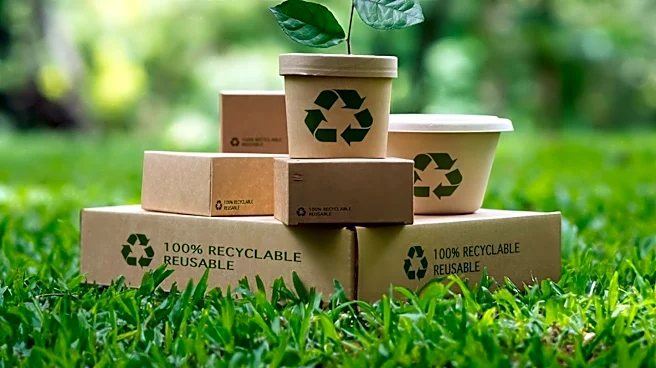
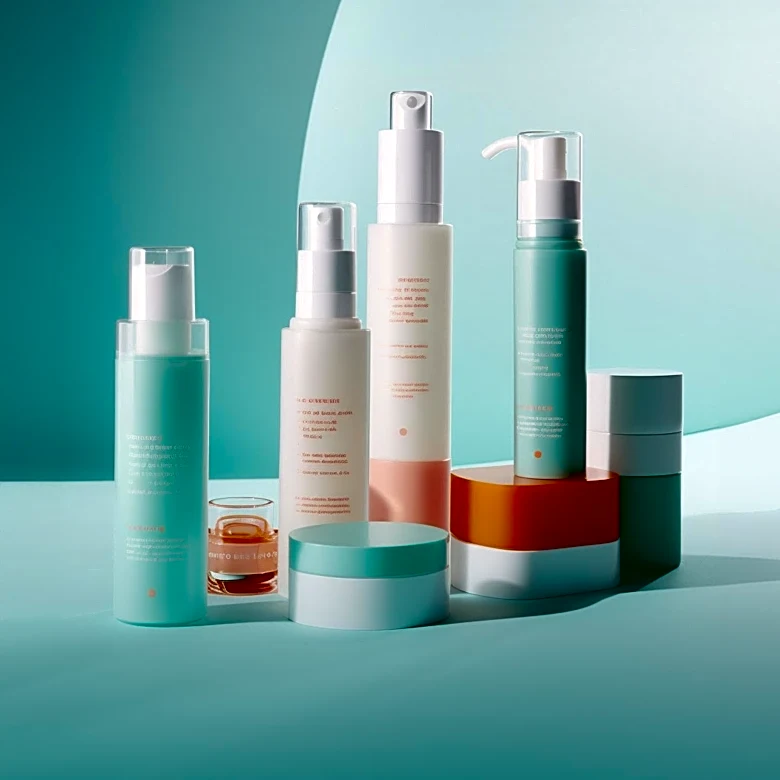
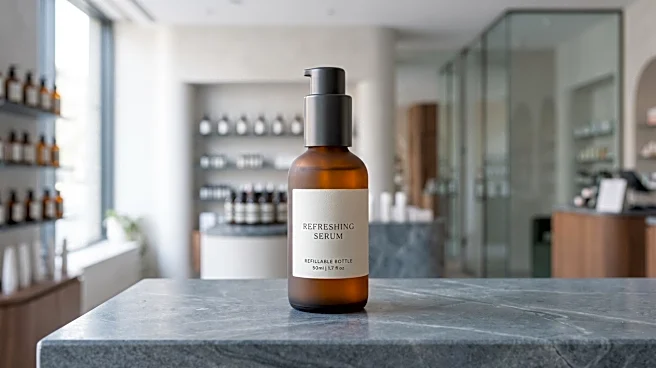
The cosmetic industry is seeing an expansion in refillable product options, offering consumers more eco-friendly and cost-effective alternatives to traditional packaging. Brands like L'OCCITANE and Eucerin are providing refills for popular products such
as Almond Body Cream and Hyaluron-Filler SPF 30, designed to fit original jars. This trend aims to reduce plastic consumption and packaging waste. However, consumers are advised to be aware of common pitfalls, including incompatibility issues with existing jars, potential differences in product formula or texture, and ensuring actual cost savings through price-per-unit analysis. Key criteria for selecting refills include checking exact product compatibility, evaluating the refill material (sturdy pods versus soft pouches), and verifying that the formula remains identical to the original product. The market also includes refill stations, such as Biome Eco Store in Brisbane, offering a wider range of refillable products.
Why It's Important?
The growth of the cosmetic refill market signifies a broader shift in consumer behavior and industry practices towards sustainability. For U.S. consumers, this trend offers opportunities to reduce their environmental footprint and potentially save money on frequently purchased beauty products. For U.S. businesses in the cosmetic and packaging industries, it presents both challenges and opportunities. Companies that embrace refillable models can enhance their brand image, attract environmentally conscious consumers, and potentially reduce production costs associated with elaborate packaging. Conversely, those slow to adapt may lose market share. This movement also encourages innovation in packaging design, focusing on durability, reusability, and material science to ensure product integrity and consumer convenience. The emphasis on transparency regarding product compatibility and formula consistency is crucial for building consumer trust and driving widespread adoption of refillable systems.
What's Next?
The cosmetic refill market is expected to continue evolving, with more brands introducing refill options and potentially standardizing refill systems to address compatibility issues. Consumers will likely become more discerning, demanding clear information on product ingredients, packaging materials, and true cost savings. The industry may see increased investment in research and development for innovative refill mechanisms and sustainable packaging solutions. Regulatory bodies might also introduce guidelines or incentives to encourage the adoption of refillable models, further accelerating this trend. Retailers, including those in the U.S., may expand their in-store refill stations, making it easier for consumers to access these products. The long-term success of this market will depend on a combination of consumer demand, technological advancements, and industry commitment to sustainability.
Beyond the Headlines
The shift towards cosmetic refills has deeper implications beyond environmental benefits and cost savings. It reflects a cultural change where consumers are increasingly prioritizing ethical consumption and demanding greater accountability from brands. This trend challenges the traditional 'throwaway' culture associated with fast-moving consumer goods, promoting a more circular economy. Ethically, it encourages companies to consider the entire lifecycle of their products, from sourcing to disposal. Legally, it could lead to new regulations around packaging waste and product refill standards. Culturally, it fosters a sense of shared responsibility between consumers and corporations in addressing environmental challenges. The success of refillable cosmetics could also pave the way for similar models in other consumer product categories, driving a broader societal transformation towards more sustainable living.