



What's Happening?
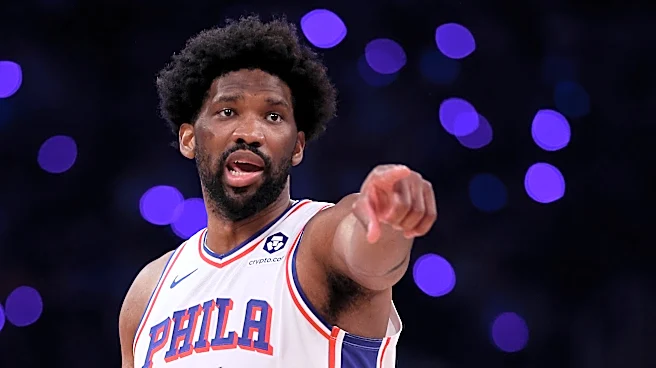
Philadelphia 76ers star Joel Embiid is currently experiencing a significant shooting slump at the beginning of the 2026-27 NBA season. Through eight games, Embiid is shooting just 3-for-28 from three-point range, and his overall field goal percentage
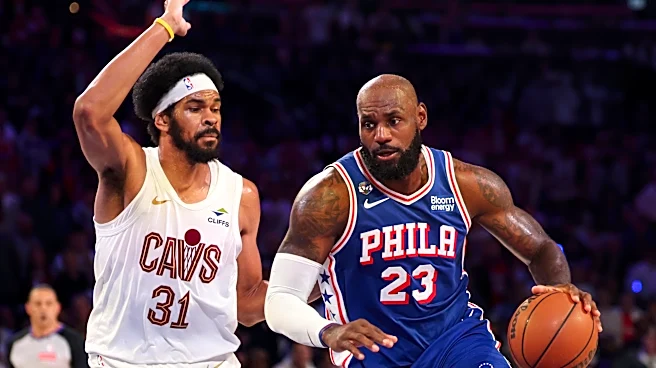
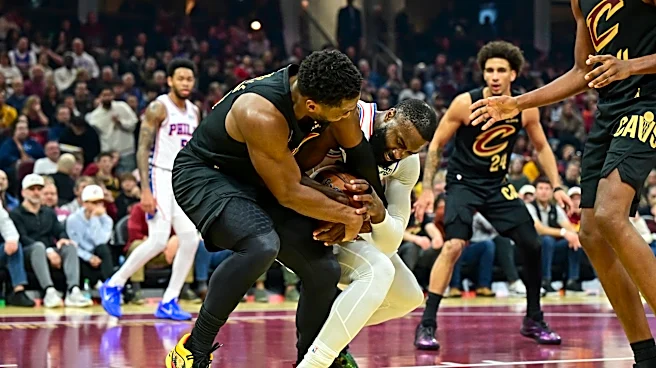
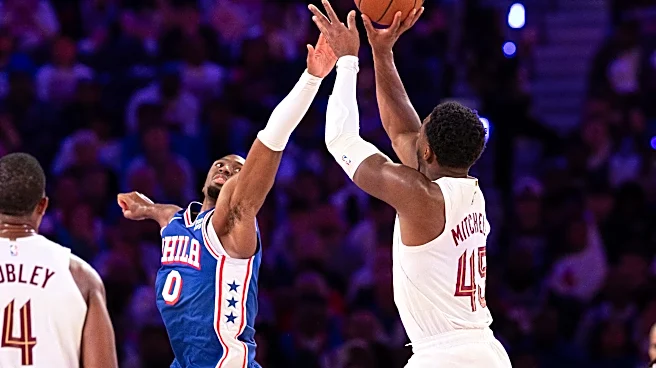
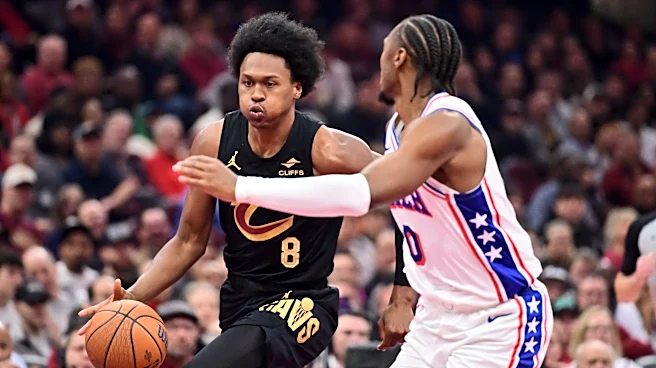
has dropped to 38.1%. This includes a particularly challenging 0-for-9 performance from the field in a recent 119-95 loss to the Cleveland Cavaliers. Embiid has openly discussed his struggles, attributing them to mechanical issues with his jump shot, specifically mentioning changes in his jumping and hand positioning. He also suggested that a lack of consistent practice due to load management and past injuries over the last two years might be contributing factors. Despite his individual struggles, the 76ers have maintained a strong 8-2 start to the season, providing some buffer for Embiid to work through his performance issues. Coach Nick Nurse and teammate Tyrese Maxey have expressed confidence in Embiid, with Maxey vowing to help him get easier shots closer to the basket.
Why It's Important?
Joel Embiid's shooting slump is significant for the Philadelphia 76ers and the broader NBA landscape. As a former MVP and one of the league's most dominant players, his performance directly impacts the team's offensive efficiency and championship aspirations. While the 76ers have started strong, a prolonged slump from their cornerstone player could hinder their ability to compete against top-tier teams, especially in crucial playoff scenarios. Embiid's comments about mechanical issues and the impact of load management highlight the delicate balance NBA teams face in preserving star players' health while maintaining their peak performance. His reduced effectiveness from beyond the arc and overall field goal percentage could force the 76ers to adjust their offensive strategies, potentially leading to a more crowded paint and fewer opportunities for other players. The situation also raises questions about the long-term effects of injuries and load management on elite athletes' skills and consistency, which could influence future player management strategies across the league.
What's Next?
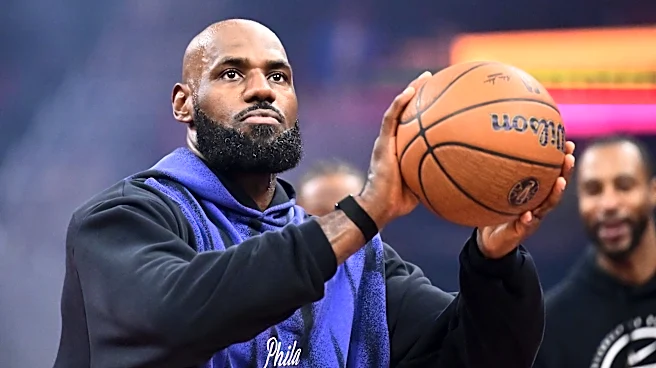
Joel Embiid plans to review game footage to identify and correct the mechanical issues affecting his jump shot, focusing on his jumping and hand placement. He aims to adjust his training regimen to balance load management with the necessary practice repetitions to regain his shooting touch. The Philadelphia 76ers' coaching staff, led by Nick Nurse, and teammates like Tyrese Maxey, are committed to supporting Embiid. Maxey has indicated he will actively seek ways to create easier scoring opportunities for Embiid closer to the basket. The team will face the Chicago Bulls next, providing another opportunity for Embiid to work through his slump. The expectation is that Embiid, a career 49.9% shooter, will eventually 'level out' and return to his usual form, given his history as a versatile scorer. However, the ongoing adjustment to his body and the team's load management strategy will be critical factors in his recovery.
Beyond the Headlines
Embiid's current struggles extend beyond mere statistics, touching upon the psychological and physical toll of being an elite athlete in a demanding league. His candid admission of feeling 'down' underscores the mental pressure players face during slumps, even for those with a strong belief in their abilities. The discussion around his past injuries and the team's load management strategy highlights a broader ethical and practical dilemma in professional sports: how to maximize a player's career longevity without compromising their in-game performance and skill development. The shift in his shot mechanics, potentially linked to these factors, suggests a deeper physiological adaptation or compensation. This situation could prompt further examination into personalized training and recovery protocols for star players, aiming to maintain their physical readiness and technical proficiency simultaneously. The team's collective effort to 'pour confidence' into Embiid also emphasizes the crucial role of team dynamics and psychological support in overcoming individual performance challenges.