






What's Happening?
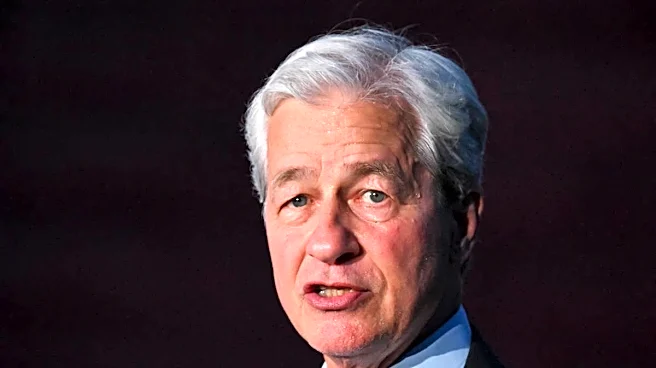
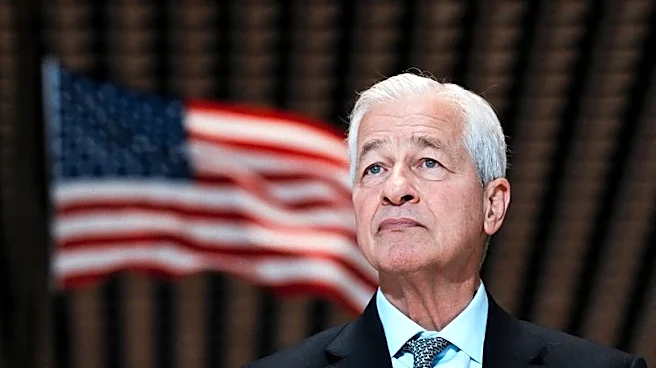
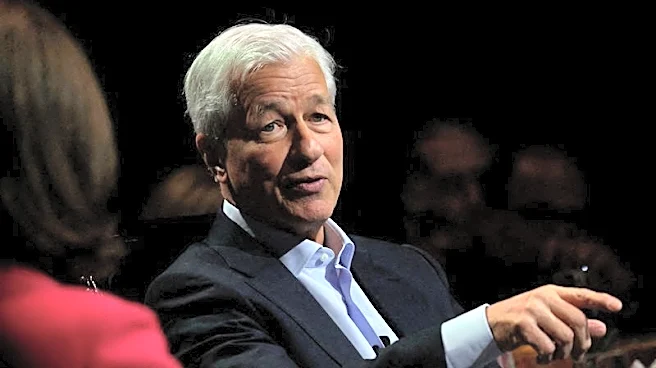
Jamie Dimon, CEO of JPMorgan Chase, has publicly acknowledged the growing sentiment against the wealthy, attributing it to the increasing wealth gap in the United States. According to Dimon, the bottom 50% of U.S. households own only $4.27 trillion of the nation's
$174 trillion in wealth, while the top 0.1% own $25.07 trillion. Dimon, who is worth over $3 billion, expressed understanding of the frustration among lower-income families, noting that they have been left behind in terms of economic opportunities and living conditions. He highlighted the disparity in access to quality education and safe neighborhoods as contributing factors to this sentiment. Dimon emphasized the need for effective public policy to address these issues, suggesting that solutions should be supported across political lines and by unions.
Why It's Important?
The acknowledgment by a leading figure in the financial industry like Jamie Dimon underscores the critical issue of wealth inequality in the U.S. This disparity has significant implications for social stability and economic growth. As the wealth gap widens, it can lead to increased social unrest and a lack of trust in economic systems. Dimon's comments highlight the need for comprehensive policy measures to address these inequalities, which could involve reforms in education, taxation, and social services. The discussion also touches on the broader debate about the role of artificial intelligence in exacerbating economic divides, as wealthier individuals and families are more likely to benefit from technological advancements.
What's Next?
Dimon's remarks suggest a call to action for policymakers to develop strategies that can bridge the economic divide. This could involve bipartisan efforts to create policies that promote economic inclusivity and provide opportunities for lower-income families. Additionally, there may be increased scrutiny on how AI and other technological advancements are impacting wealth distribution. As the 2028 presidential election approaches, candidates may need to address these issues in their platforms, potentially focusing on how to harness AI for societal benefit rather than allowing it to widen the wealth gap.
Beyond the Headlines
The conversation around wealth inequality also raises ethical questions about the responsibilities of the wealthy and corporations in society. There is a growing expectation for businesses to contribute to social good and for wealthy individuals to use their resources to address societal challenges. This shift in expectations could lead to changes in corporate governance and philanthropy, as well as increased pressure on companies to demonstrate social responsibility.