
What's Happening?
Real estate leader Shelton Wilder has revealed her predictions for luxury home design trends in 2027, emphasizing a shift towards warmth, character, and timeless design. According to Wilder, buyers will
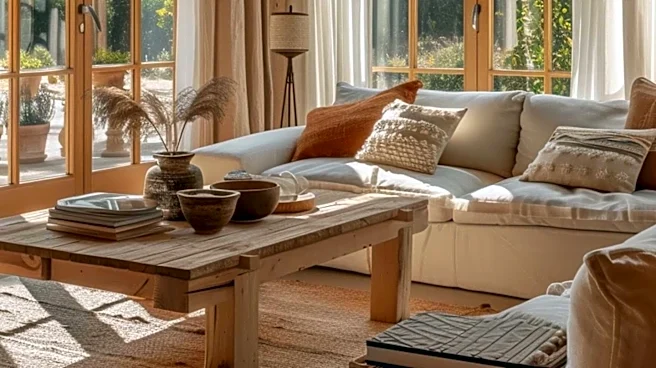
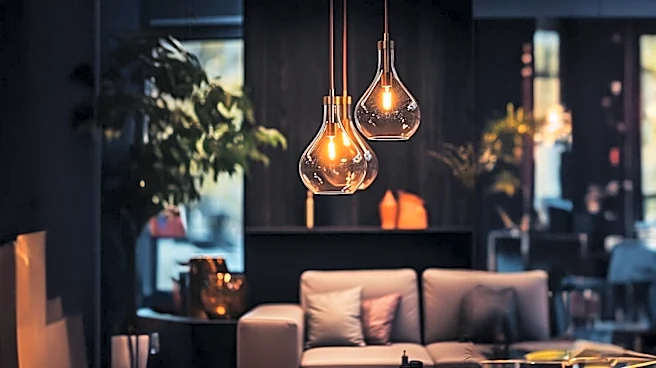
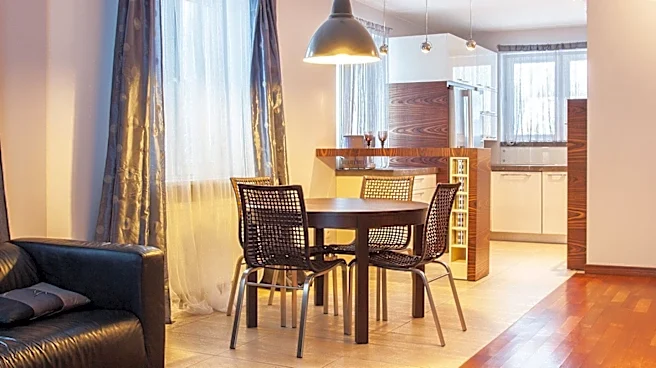
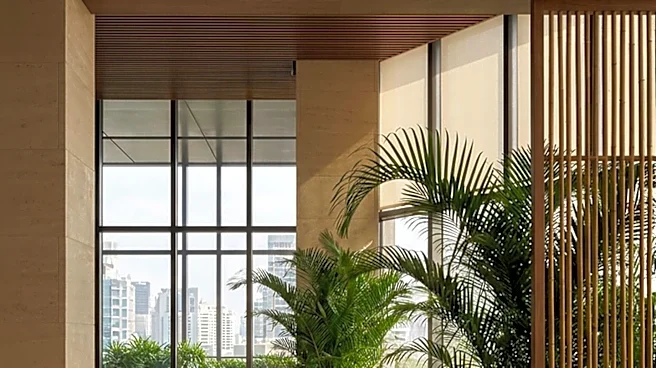
increasingly seek homes that are not only beautiful but also comfortable and livable, prioritizing natural materials, rich wood tones, interesting stone, and layered textures. This trend moves away from overly minimalist or neutral interiors towards spaces with more personality, achieved through distinctive finishes and architectural details rather than bold color changes. Functionality is also a key focus, with buyers looking for homes that support their lifestyles, including dedicated outdoor living spaces, wellness amenities like home gyms and saunas, and practical features such as functional floor plans, ample storage, and private offices. Wilder advises sellers to focus on strategic, less costly improvements like fresh paint, updated lighting, and professional staging rather than highly personalized, expensive renovations that may not appeal to a broad range of buyers.
Why It's Important?
These predicted trends by Shelton Wilder are significant for the U.S. real estate market, particularly in the luxury sector, as they indicate evolving buyer preferences that could influence property values and renovation decisions. Homeowners and developers who align with these trends by incorporating natural materials, timeless designs, and functional wellness spaces may find their properties more appealing and command higher prices. Conversely, those who continue to focus on generic, overly minimalist designs or undertake highly personalized renovations without market insight risk alienating potential buyers. The emphasis on wellness and indoor-outdoor living reflects a broader societal shift towards prioritizing health, comfort, and quality of life within the home environment, suggesting a long-term impact on residential architecture and interior design across the country. This also signals opportunities for industries related to home improvement, landscaping, and wellness product integration.
What's Next?
In the coming years, the U.S. luxury real estate market is likely to see an increased adoption of design elements that promote warmth, character, and functionality. We can expect to see more homes featuring natural wood, stone, and textured materials, along with a greater integration of wellness amenities such as home gyms, saunas, and spa-like bathrooms. Outdoor living spaces designed as extensions of the indoor environment will also become more prevalent. Sellers preparing their homes for the market will likely be advised by real estate professionals to make strategic, cost-effective updates that enhance broad appeal rather than undertaking extensive, personalized remodels. This shift will also influence architects and interior designers to incorporate these preferences into their new constructions and renovation projects, potentially leading to a more cohesive and buyer-centric approach to luxury home design nationwide.
Beyond the Headlines
Beyond the immediate market implications, these design trends reflect deeper cultural shifts in how Americans view their homes. The emphasis on wellness spaces and comfortable, livable designs suggests a growing desire for homes to serve as sanctuaries for recharging and self-care, moving beyond mere aesthetic appeal. This could lead to a more holistic approach to home design, where mental and physical well-being are considered integral components of a luxury living experience. The preference for timeless design and quality craftsmanship over fleeting trends also indicates a move towards more sustainable and thoughtful consumption in the housing market, where buyers are investing in longevity and enduring value. This could foster a greater appreciation for architectural integrity and materials that age gracefully, potentially reducing the frequency of renovations driven by short-lived fads and promoting more environmentally conscious building practices.