




What's Happening?
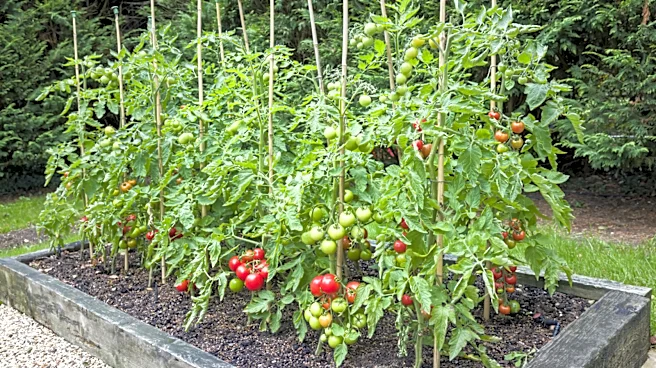
Gardening experts are advising home gardeners to take advantage of the August planting season by utilizing raised beds for a second growing cycle. Fast-growing root crops such as radishes, beets, turnips, and baby carrots are recommended for planting during
this time, as they can be ready for harvest in a couple of months. The raised beds offer benefits such as improved drainage and enriched soil, which can enhance the growth of these crops. Additionally, leafy greens like spinach, chard, kale, and broccoli are suggested for planting towards the end of August to prepare for winter harvests. The advice comes from gardening professionals like Carrie Spoonemore, co-founder of the From Seed to Spoon app, who emphasizes the importance of checking regional frost dates and the maturity time of the plants.
Why It's Important?
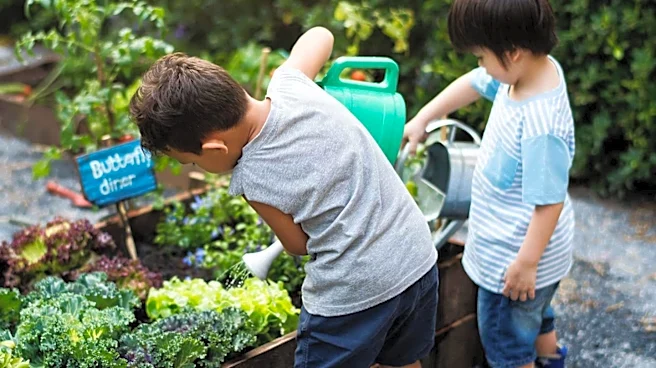
The guidance on August planting is significant for home gardeners looking to maximize their harvests and extend the growing season. By planting in raised beds, gardeners can take advantage of the improved soil conditions and drainage, leading to healthier and more productive crops. This practice not only supports local food production but also encourages sustainable gardening practices. The ability to grow a variety of crops throughout the year can contribute to food security and reduce reliance on store-bought produce. Additionally, engaging in gardening activities has been shown to have mental health benefits, providing a therapeutic and rewarding experience for individuals and families.
What's Next?
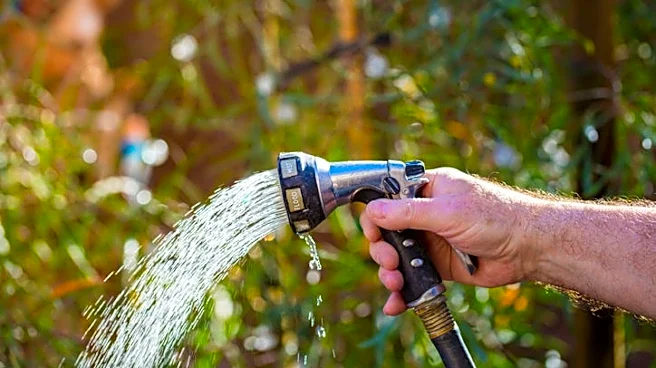
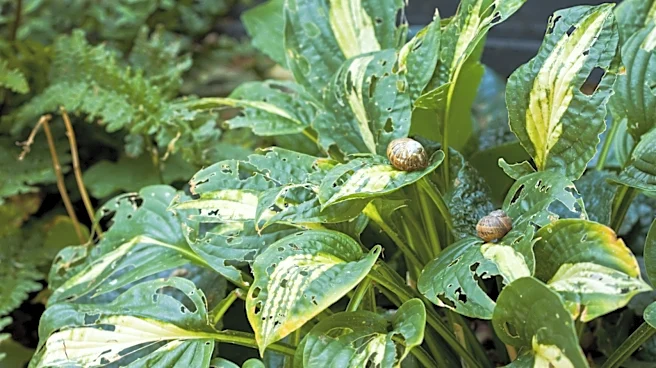
As gardeners prepare for the August planting season, they are encouraged to plan their crop selections based on regional climate conditions and personal preferences. Installing watering systems like soaker hoses can help maintain consistent moisture levels in the raised beds. Gardeners should also consider using shade cloths and insect netting to protect their crops from extreme weather and pests. Looking ahead, the success of the August planting season could inspire more individuals to adopt raised bed gardening, potentially leading to a broader movement towards sustainable and self-sufficient food production practices.