



What's Happening?
Southern Company (NYSE: SO) is a major energy provider serving 9 million customers across the Southeast and beyond. The company operates electric utilities in three states and natural gas distribution companies in four states. Its portfolio also includes
a competitive generation company, a leading distributed energy solutions provider with national reach, a fiber optics network, and telecommunications services. Southern Company Gas, a wholly owned subsidiary, specifically serves approximately 4.2 million natural gas utility customers through its regulated distribution companies and an additional 600,000 retail customers through its natural gas marketing companies. The company is actively pursuing innovation, resilience, and sustainability initiatives, with a stated goal of achieving net-zero greenhouse gas emissions by 2050. This commitment underscores its mission to provide clean, safe, reliable, and affordable energy while meeting the evolving needs of its customers and communities.
Why It's Important?
Southern Company's extensive reach and commitment to net-zero emissions by 2050 have significant implications for the U.S. energy sector and environmental policy. As a major energy provider, its operational strategies directly influence energy reliability and affordability for millions of households and businesses in the Southeast. The company's investment in diverse energy solutions, including competitive generation and distributed energy, reflects a broader industry trend towards decarbonization and decentralized energy systems. Its net-zero target aligns with national and global efforts to combat climate change, potentially driving innovation in renewable energy technologies and sustainable practices within the utility sector. This commitment could also influence regulatory frameworks and investment decisions across the energy landscape, as other companies may follow suit or face increased pressure to adopt similar environmental goals. The company's focus on customer needs and community engagement further highlights the evolving role of energy providers beyond mere utility services.
What's Next?
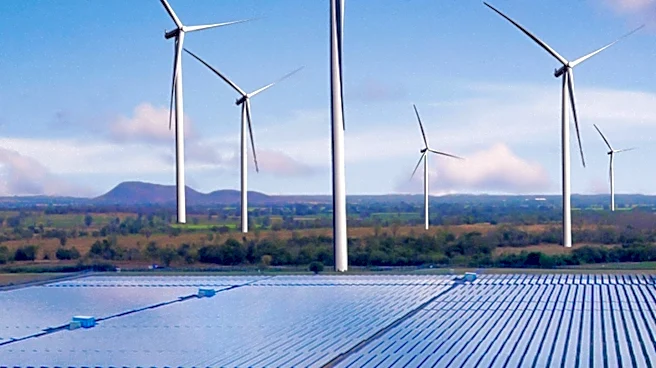
Southern Company is expected to continue its strategic investments in renewable energy sources, energy efficiency programs, and advanced grid technologies to meet its net-zero emissions goal by 2050. This will likely involve further development of solar, wind, and other clean energy projects, as well as enhancements to its existing infrastructure to improve resilience and integrate new technologies. The company may also explore partnerships and acquisitions in the distributed energy and telecommunications sectors to expand its service offerings and market reach. Regulatory bodies will likely monitor Southern Company's progress towards its sustainability targets, potentially influencing future policy decisions related to emissions standards and renewable energy mandates. Furthermore, the company's ongoing commitment to innovation and customer service suggests a continued focus on developing new solutions that enhance energy reliability and affordability for its diverse customer base.
Beyond the Headlines
Southern Company's ambitious net-zero target by 2050 extends beyond environmental compliance, signaling a fundamental shift in its long-term business strategy and corporate identity. This commitment reflects a growing recognition within the energy industry of the economic and social imperatives to address climate change. The transition to cleaner energy sources will likely necessitate significant capital investments, potentially reshaping the company's financial profile and investor relations. Moreover, its emphasis on innovation and resilience suggests a proactive approach to future energy challenges, including grid modernization and adaptation to extreme weather events. This strategic direction could also foster a more sustainable corporate culture, attracting talent and strengthening community relationships. The company's comprehensive approach, encompassing electric, natural gas, and telecommunications services, positions it as a multifaceted infrastructure provider, capable of adapting to evolving energy demands and technological advancements.