





What's Happening?
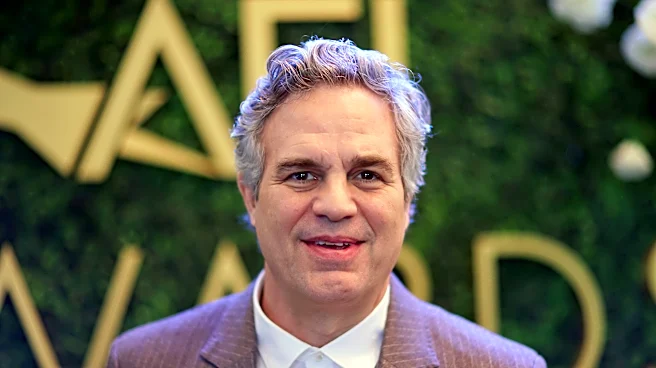
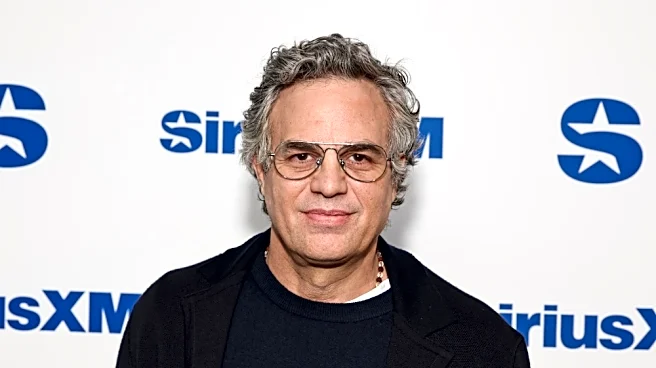
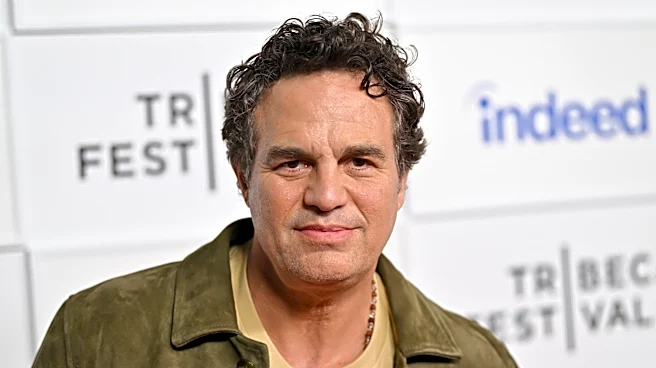
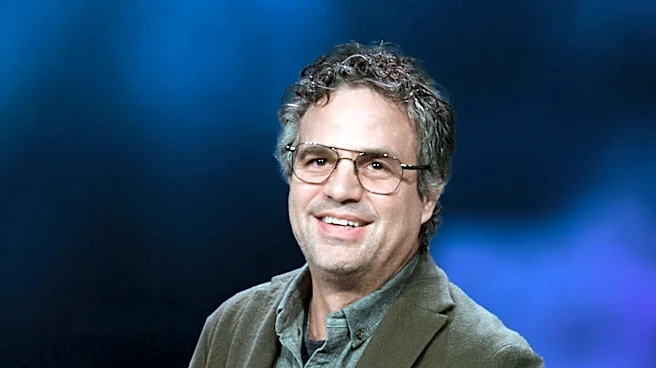
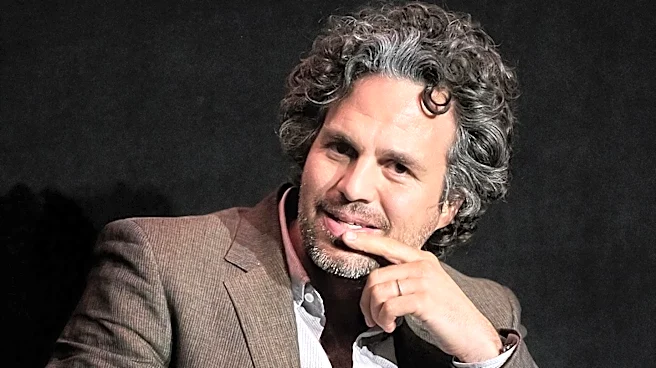
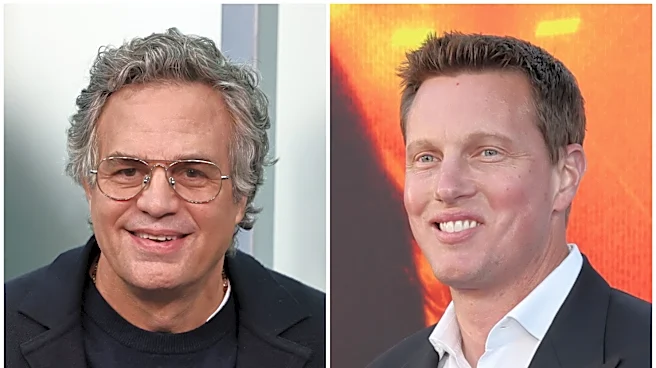
Actor Mark Ruffalo has publicly refuted accusations of antisemitism made by Paramount, labeling the claims as "appalling and fundamentally dishonest." The controversy stems from Ruffalo's criticism of the ties between Oracle, a multinational tech company
owned by Larry Ellison (father of Paramount Skydance boss David Ellison), and the Israeli military. Ruffalo shared a 2024 video clip featuring former Oracle chief Safra Catz discussing the company's technologies in relation to Israel's military actions in Gaza, which Ruffalo described as a "genocide built on an apartheid system of oppression powered by Oracle." He also questioned why President Trump had supported the merger. Paramount responded by accusing Ruffalo of invoking "antisemitic tropes," stating that terms like 'genocide' and 'apartheid' applied to a corporate transaction were inappropriate and cheapened real suffering. Ruffalo countered that criticizing the actions of the Israeli prime minister, a military technology contract, or the executives involved is distinct from criticizing Jewish people, emphasizing his deep love and respect for the Jewish community.
Why It's Important?
This dispute highlights the intense scrutiny and controversy surrounding the proposed merger between Paramount and Warner Bros., a deal valued at $111 billion. Mark Ruffalo's public criticism, and Paramount's subsequent accusation, underscore the broader ethical and political dimensions that can become entangled with major corporate transactions, especially in the entertainment industry. The actor's concerns about Oracle's business practices and the potential influence of foreign money on editorial decisions within a merged media entity raise questions about corporate responsibility, media independence, and national security. The exchange also reflects the sensitive nature of discussions surrounding the Israeli-Palestinian conflict and the weaponization of antisemitism accusations in public discourse. For the film industry, the controversy adds another layer of complexity to an already contentious merger, with implications for how artists and studios engage in political and social commentary, and the potential for such commentary to impact business dealings and public perception.
What's Next?
The immediate future will likely see continued public debate surrounding Mark Ruffalo's statements and Paramount's response, particularly within social media and entertainment news outlets. The broader implications for the Paramount-Warner Bros. merger remain significant. The merger is currently on pause until June 2027, pending legal challenges from 12 U.S. states and the Writers Guild of America (WGA), who argue it would harm competition and negatively impact consumers and the creative industry. Ruffalo's call for a serious national security review and greater transparency regarding foreign financial influence in the deal could amplify pressure on lawmakers and regulators. Stakeholders, including other actors, industry professionals, and advocacy groups, may weigh in, further shaping public opinion and potentially influencing the ongoing legal and regulatory processes. The controversy could also prompt more detailed scrutiny of the financial backing and political ties of key figures involved in the merger, potentially impacting its eventual approval or rejection.
Beyond the Headlines
The clash between Mark Ruffalo and Paramount delves into deeper issues concerning freedom of speech, corporate power, and the intersection of geopolitics with the entertainment industry. Ruffalo's critique of Oracle's technology contracts and the broader implications of the merger on editorial freedom and livelihoods for thousands of families raises fundamental questions about accountability in an increasingly consolidated media landscape. The accusation of antisemitism, and Ruffalo's strong denial, also highlight the challenges of navigating complex political discussions without resorting to harmful generalizations or mischaracterizations. This incident could contribute to a broader conversation within Hollywood about the ethical responsibilities of major studios and their parent companies, particularly when their business interests intersect with sensitive global conflicts. It also underscores the growing expectation from the public and artists for corporations to align their business practices with ethical standards and transparency, especially when dealing with significant media consolidation that could shape public discourse and cultural narratives.