


What's Happening?
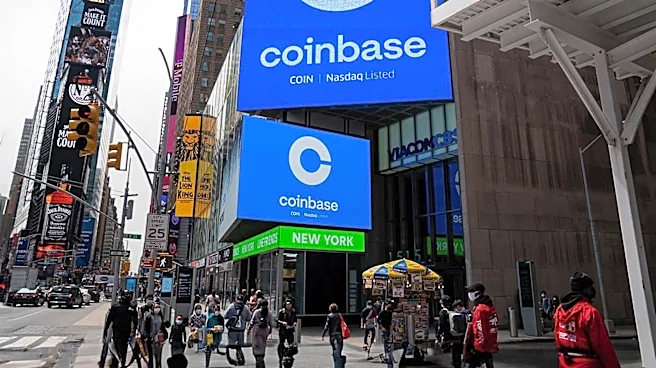
A U.S. District Court in the Northern District of California has dismissed a proposed class-action lawsuit against cryptocurrency exchange Coinbase regarding the collapse of TerraUSD (UST). Investor Larry Pearl filed the lawsuit, alleging that his investment
in TerraUSD lost over 90% of its value in May 2022 after the stablecoin lost its peg to the U.S. dollar. Pearl claimed Coinbase failed to adequately inform investors about the nature and risks of TerraUSD, particularly that it was not backed by dollar reserves but relied on an algorithmic mechanism linked to the LUNA token. However, U.S. District Judge Maxine M. Chesney ruled that Coinbase's website had disclosed that TerraUSD was not dollar-backed and that information about the LUNA-UST mechanism was publicly accessible. The court also noted that historical trading data for both UST and LUNA was publicly available, and the plaintiff did not provide sufficient factual allegations to prove Coinbase possessed exclusive material information. The ruling, issued on November 20, 2026, and finalized on November 23, denied Pearl further permission to amend his complaint, effectively ending the proceedings at the district court level.
Why It's Important?
This court decision is significant for the U.S. cryptocurrency industry, particularly for exchanges like Coinbase, as it provides a precedent for how courts may evaluate their disclosure obligations to investors. The ruling emphasizes the importance of publicly available information and places a burden on investors to demonstrate that exchanges withheld crucial, non-public details. For cryptocurrency exchanges, this outcome suggests that clear and accessible disclosures about the underlying mechanisms and risks of digital assets can be a strong defense against investor claims. Conversely, investors who suffered losses in similar collapses may find it more challenging to pursue legal action if relevant information was publicly available. The case also touched upon whether TerraUSD qualified as a security, with the court determining that the plaintiff did not adequately establish the elements required under the Howey test, which has broader implications for the ongoing debate about cryptocurrency regulation in the U.S.
What's Next?
The dismissal of this lawsuit at the district court level concludes this specific legal challenge against Coinbase regarding TerraUSD. However, the broader implications for cryptocurrency regulation and investor protection in the U.S. are likely to continue evolving. This ruling may influence future class-action lawsuits against crypto exchanges, potentially leading to a greater emphasis on the transparency and accessibility of information provided by platforms. Regulatory bodies may also take note of the court's reasoning regarding disclosure requirements, which could inform future guidelines or enforcement actions. The ongoing legal proceedings involving Terraform Labs co-founder Do Kwon, who was sentenced to 15 years in prison in the U.S. in December 2025 for fraud-related charges, highlight the continued scrutiny of the Terra ecosystem's collapse and its key players.
Beyond the Headlines
The court's decision underscores a critical aspect of the evolving legal landscape for digital assets: the balance between investor protection and the responsibility of individuals to conduct due diligence. By emphasizing the public availability of information, the ruling suggests a legal expectation that investors in the cryptocurrency market should actively seek and understand the risks associated with complex assets like algorithmic stablecoins. This could lead to a cultural shift where the onus is increasingly placed on investors to educate themselves about the intricacies of crypto investments. Furthermore, the court's consideration of whether TerraUSD constituted a security, and its finding that the plaintiff did not meet the Howey test criteria, contributes to the ongoing legal debate about the classification of various digital assets. This debate has significant implications for how cryptocurrencies are regulated, taxed, and traded in the U.S., potentially shaping the future structure of the digital asset market.