





What's Happening?
Ubud, Bali, is being highlighted for its diverse attractions, encompassing lush rice terraces, vibrant art markets, and serene yoga retreats. The Sacred Monkey Forest Sanctuary stands out as a prominent landmark, housing hundreds of long-tailed macaques
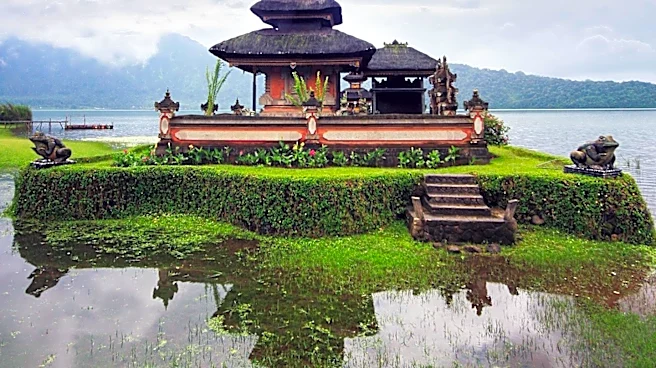
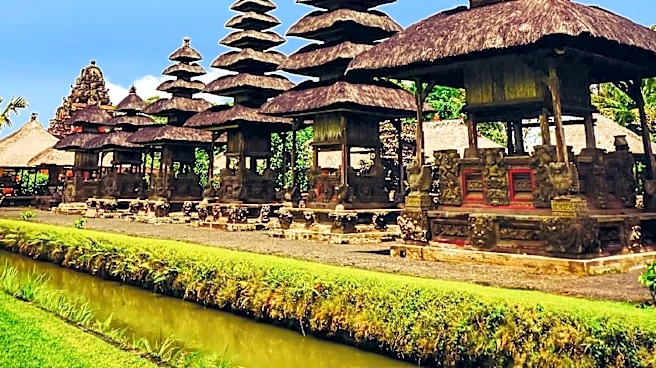
and three ancient temples dating back to the 14th century. Visitors can explore the architectural beauty of these temples amidst moss-covered stone statues and towering banyan trees. Beyond its spiritual and natural sites, Ubud offers a rich culinary scene with organic cafes and fine dining establishments focusing on farm-to-table ingredients. Traditional Balinese dishes like Babi Guling are a local specialty, and cooking schools provide insights into the local food culture, often starting with market tours for fresh ingredients. The town also boasts a thriving artistic heritage, with galleries and workshops showcasing painters, woodcarvers, and silversmiths, including the Blanco Renaissance Museum and the renowned woodcarving village of Mas. The Ubud Art Market is a popular spot for handmade souvenirs, silk scarves, and woven bags, where bargaining is a customary part of the experience.
Why It's Important?
Ubud's recognition as a cultural and natural hub underscores the growing global interest in destinations that offer a blend of spiritual, environmental, and artistic experiences. This focus on sustainable tourism and cultural immersion can influence travel trends, potentially drawing more U.S. tourists seeking authentic and enriching vacations. For the U.S. tourism industry, this highlights a demand for destinations that prioritize local heritage and ecological preservation, which could inspire similar developments or marketing strategies for domestic cultural and natural sites. The emphasis on farm-to-table dining and traditional crafts also reflects a broader consumer preference for locally sourced and artisanal products, impacting U.S. food and craft markets. Furthermore, the promotion of yoga retreats and spiritual practices in Ubud aligns with a rising wellness tourism sector, suggesting opportunities for U.S. businesses in health and wellness travel to cater to similar interests.
What's Next?
As Ubud continues to gain recognition, it is likely to see an increase in international visitors, including those from the U.S. This influx could lead to further development in its tourism infrastructure, such as new accommodations, tour operators, and culinary establishments. Local authorities and businesses may focus on managing this growth to preserve the town's cultural integrity and natural environment, potentially implementing stricter regulations on development and promoting eco-tourism initiatives. There might also be an expansion of cultural exchange programs and workshops, offering deeper engagement with Balinese traditions for tourists. For U.S. travelers, this means more accessible and diverse options for experiencing Balinese culture, potentially through specialized tour packages or direct flights. The success of Ubud's model could also inspire other destinations globally, including within the U.S., to enhance their cultural and natural offerings to attract a similar demographic of conscious travelers.
Beyond the Headlines
The appeal of Ubud extends beyond its immediate attractions, touching upon deeper themes of cultural preservation, sustainable living, and the search for spiritual well-being. The town's ability to maintain its traditional Balinese irrigation system (Subak) and protect its Sacred Monkey Forest Sanctuary highlights a successful balance between tourism and ecological conservation. This serves as a model for other regions grappling with the impacts of tourism. The emphasis on local crafts and farm-to-table cuisine also reflects a global movement towards supporting local economies and consuming ethically. For U.S. society, Ubud's popularity signifies a growing desire for experiences that offer a respite from modern life, fostering a connection with nature and ancient traditions. This trend could influence U.S. lifestyle choices, promoting mindfulness, sustainable practices, and an appreciation for diverse cultural heritages, potentially leading to increased interest in similar practices and products domestically.