






What's Happening?
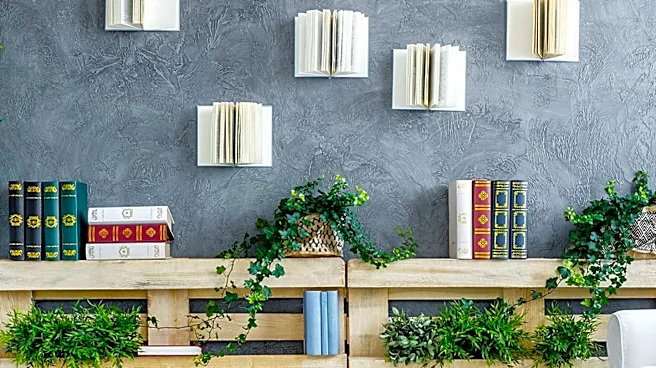
Upcycled furniture is emerging as a significant trend, blending aesthetics with environmental consciousness. This approach involves transforming old or discarded items into new furniture pieces, promoting sustainability and creative repurposing. For instance,
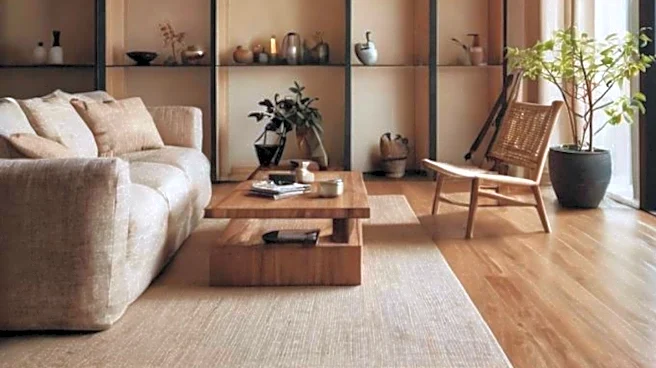
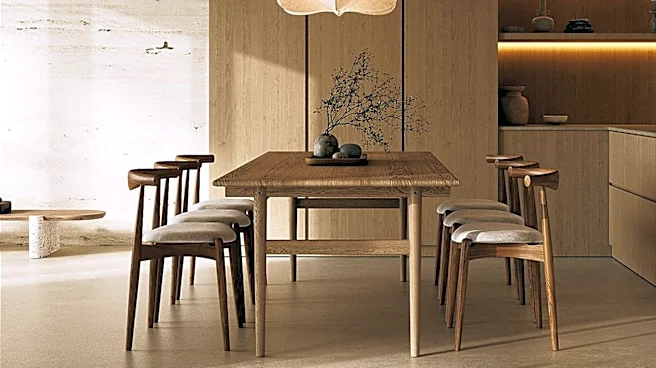
an old bookcase can be converted into a cabinet, showcasing the potential for innovative design from existing materials. The concept extends to various applications, including handcrafted furniture that combines diverse aesthetic influences, such as Japanese and Scandinavian styles, often utilizing sustainable materials like oak veneer and MDF core. The movement is also evident in DIY projects, where individuals are repurposing items like old shoe racks into outdoor side tables, highlighting the eco-friendly benefits of upcycling. This trend underscores a broader shift towards sustainable practices in furniture design and consumption, emphasizing the reuse and transformation of materials to reduce waste and create unique, functional pieces.
Why It's Important?
The rise of upcycled furniture is important for several reasons, primarily its contribution to environmental sustainability and the circular economy. By repurposing existing materials, it significantly reduces waste sent to landfills and decreases the demand for new raw materials, thereby lowering the environmental footprint of furniture production. This approach also fosters creativity and innovation within the design industry, encouraging designers and consumers alike to view discarded items as resources with potential. Economically, upcycling can offer more affordable and unique furniture options, appealing to consumers looking for distinctive pieces without the high cost of new, mass-produced items. It also supports local craftsmanship and small businesses that specialize in custom upcycled creations. Furthermore, the emphasis on sustainable materials and practices in upcycling aligns with growing consumer demand for eco-friendly products, influencing broader industry trends towards more responsible manufacturing and consumption patterns.
What's Next?
The future of upcycled furniture is likely to see continued growth and integration into mainstream design and retail. We can anticipate an increase in specialized workshops and businesses focusing on upcycling, offering both custom pieces and DIY resources. Educational initiatives promoting upcycling techniques and the benefits of sustainable consumption are also expected to expand, further empowering individuals to engage in repurposing projects. Additionally, there may be a greater emphasis on the use of certified sustainable materials in conjunction with upcycling, ensuring that even new components used in the transformation process adhere to environmental standards. The trend could also influence larger furniture manufacturers to incorporate upcycled elements or design principles into their product lines, potentially leading to a broader market for sustainably sourced and repurposed furniture. This evolution will likely be driven by ongoing consumer demand for eco-conscious products and a collective effort to reduce environmental impact.
Beyond the Headlines
Beyond its immediate environmental and economic benefits, the upcycled furniture movement carries deeper cultural and ethical implications. It challenges the prevailing consumer culture of disposability, encouraging a mindset of resourcefulness and appreciation for the longevity of objects. By giving new life to old items, upcycling imbues furniture with a unique narrative and character, fostering a connection between the object and its history that is often absent in mass-produced goods. This can lead to a more mindful approach to consumption, where items are valued for their story and craftsmanship rather than just their newness. Ethically, it promotes responsible stewardship of resources and highlights the importance of reducing waste in an era of increasing environmental concern. Culturally, upcycled furniture can become a form of artistic expression, reflecting individual creativity and a commitment to sustainable living, thereby influencing broader societal values towards conservation and conscious design.