




What's Happening?
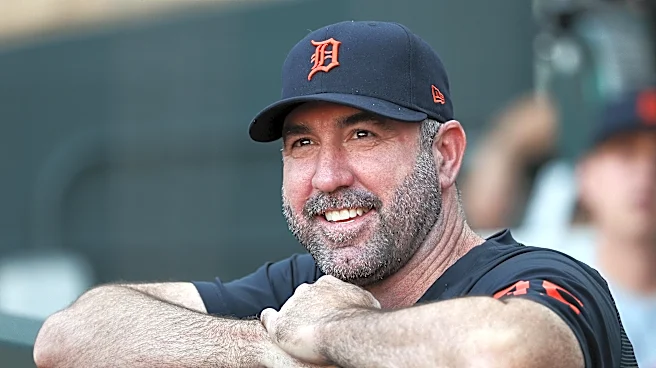
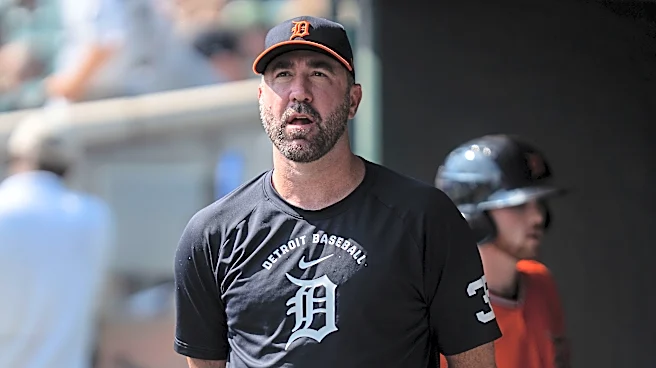
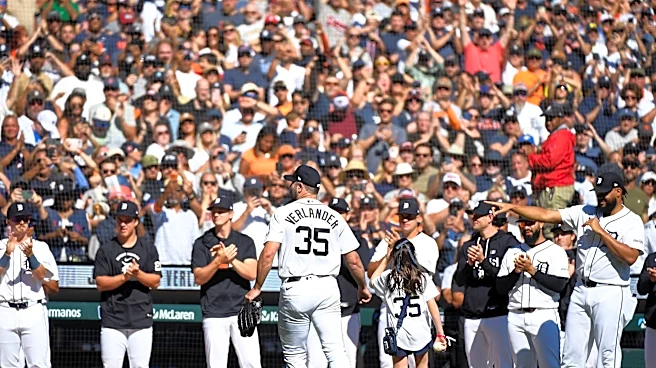
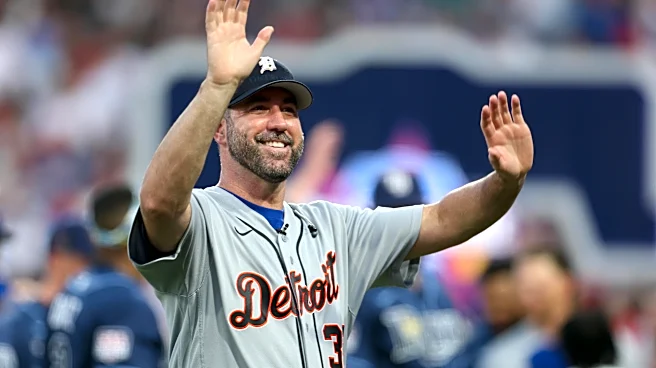
Justin Verlander, the 43-year-old right-hander, made his final major league mound appearance for the Detroit Tigers on Saturday, marking the end of a distinguished career. Verlander pitched 5 1/3 innings, allowing two runs on five hits, with one walk
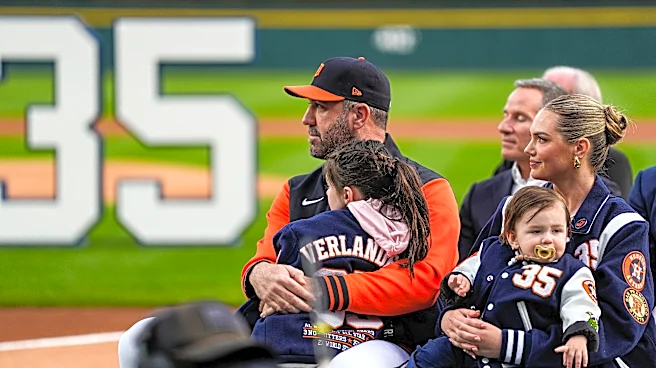
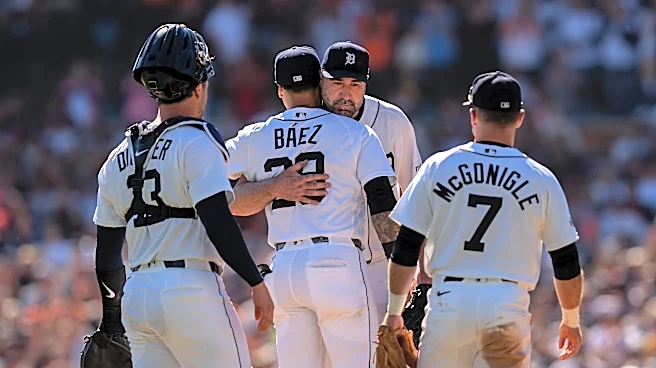
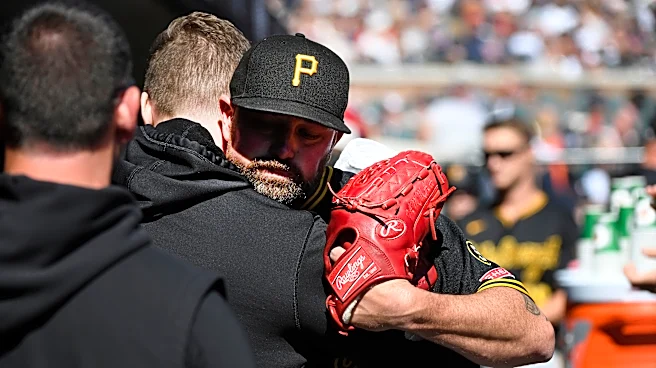
and six strikeouts, in a 91-pitch outing against the Pittsburgh Pirates. This was only his second start of the season, which had been hampered by a sore hip and hamstring injury. The emotional moment came in the sixth inning when Tigers manager A.J. Hinch removed him from the game. Verlander was met on the mound by his 7-year-old daughter, Genevieve, leading to a tearful embrace. The Tigers went on to win the game 4-3, with Eduardo Valencia hitting a game-ending, two-run homer in the ninth inning. Verlander finishes his career with a record of 266-159, a 3.33 ERA, and 3,560 strikeouts, placing him eighth on the all-time career strikeout list.
Why It's Important?
Verlander's retirement marks the departure of one of baseball's most dominant pitchers of his era. His career statistics, including 266 wins and 3,560 strikeouts, solidify his place among the sport's legends. His emotional farewell, shared with his daughter on the mound, highlights the personal side of professional sports and the impact of family on athletes' careers. For the Detroit Tigers, this moment represents the closing of a chapter with a player who was a cornerstone of their franchise for many years. His departure also shifts the landscape of pitching talent in the league, as a future Hall of Famer steps away from the game. The broader significance lies in the recognition of a career defined by longevity, excellence, and resilience through injuries, serving as an inspiration for aspiring athletes and a benchmark for pitching performance in MLB.
What's Next?
Following his retirement, Justin Verlander is expected to transition into post-playing life, potentially exploring roles within baseball as a commentator, coach, or advisor, given his extensive experience and knowledge of the game. His legacy will undoubtedly be celebrated, with future Hall of Fame induction being a strong possibility. For the Detroit Tigers, the team will continue its season, focusing on developing its current roster and future prospects without Verlander. The emotional send-off will likely be a memorable moment for the team and its fans, serving as a tribute to his contributions. The baseball world will now look to the next generation of pitchers to carry the torch, while Verlander's career will be analyzed and remembered for its significant impact on the sport.
Beyond the Headlines
Verlander's retirement transcends mere statistics, touching upon the human element of professional sports. The public display of emotion with his daughter underscores the personal sacrifices and family support often behind athletic careers. This moment also highlights the increasing trend of athletes playing well into their 40s, pushing the boundaries of physical longevity in demanding sports. His career, marked by both triumphs and injury setbacks, offers a narrative of perseverance and dedication. Furthermore, his departure prompts reflection on the evolution of pitching in baseball, from his era of dominant starters to the current emphasis on bullpen specialization. His legacy will not only be measured by his on-field achievements but also by his influence on younger players and his role as an ambassador for the sport.