

What's Happening?
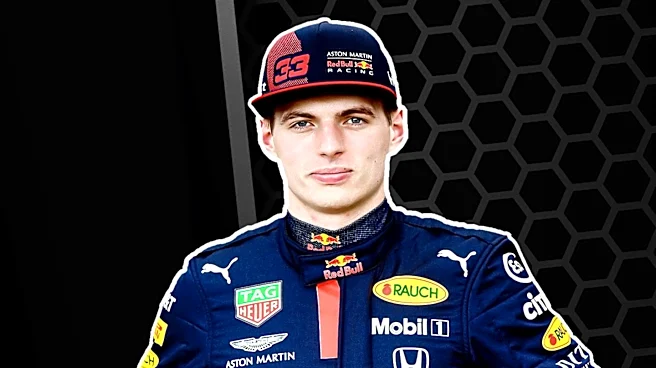
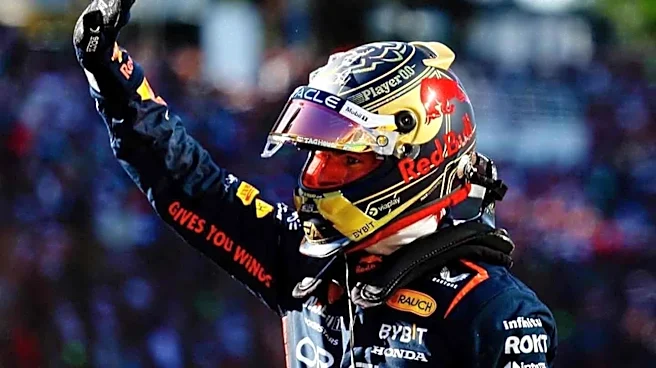
Formula 1 CEO Stefano Domenicali revealed that the sport considered further rule changes that would have been favorable to Max Verstappen. The proposed adjustments aimed to reduce the role of energy management during Grands Prix, addressing criticism
from drivers like Verstappen and Lando Norris. However, the changes did not receive sufficient support from teams and power unit manufacturers. Domenicali emphasized the importance of consensus in the decision-making process and expressed confidence in the direction of the upcoming 2027 engine regulations.
Why It's Important?
The discussion around rule changes highlights the complexities of governance in Formula 1, where multiple stakeholders must agree on regulatory adjustments. The proposed changes reflect the sport's efforts to enhance the racing experience by addressing drivers' concerns. However, the lack of consensus underscores the challenges in balancing innovation with competitive fairness. The outcome of these discussions could influence the future direction of Formula 1, impacting how the sport adapts to technological advancements while maintaining its appeal to drivers and fans.
What's Next?
As Formula 1 prepares for the 2027 engine regulations, ongoing dialogue with teams, manufacturers, and drivers will be crucial in shaping the sport's future. The feedback from drivers like Verstappen will continue to play a role in these discussions, potentially leading to further adjustments that enhance the racing experience. The sport will need to navigate the complexities of stakeholder interests to achieve a balanced approach that supports innovation while preserving competitive integrity. The evolution of these regulations will be key to Formula 1's ability to adapt to changing dynamics and maintain its global appeal.