






What's Happening?
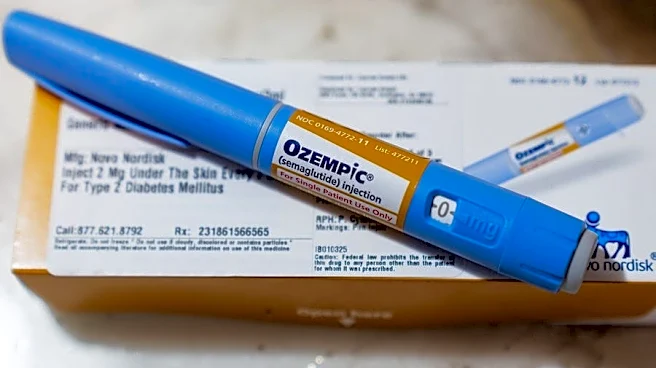
Areli Ruiz, a 35-year-old nurse from Merced, California, who had been diagnosed with secondary infertility, has become pregnant with her third child in two years after taking Ozempic. Doctors had previously told Ruiz and her husband, Jose Ruiz, 34, that
she could not conceive. Ruiz, leveraging her nursing knowledge, began taking Ozempic to reduce inflammation in her body, which she believed was a leading cause of infertility. According to the Cleveland Clinic, GLP-1 medications, like Ozempic, can potentially aid fertility by decreasing inflammation, regulating testosterone levels, and encouraging ovulation. After a few months on the medication, Ruiz became pregnant. Six months after giving birth to her first 'GLP miracle baby,' she conceived again, and is now eight months pregnant with her third child, having conceived just eight weeks after her second child's birth. She plans to continue using Ozempic to try for more children after her current pregnancy.
Why It's Important?
This personal account highlights a potential, though not yet widely recognized, benefit of GLP-1 medications like Ozempic beyond their primary uses for type 2 diabetes and weight management. If further research substantiates a link between these drugs and improved fertility, it could offer a new avenue of hope for individuals and couples struggling with infertility, a condition that affects millions in the U.S. The current focus of Ozempic and similar drugs is on metabolic health, but this anecdotal evidence suggests broader physiological impacts. This could lead to increased off-label use of these medications for fertility purposes, prompting a need for more clinical studies to understand the mechanisms, efficacy, and safety of such applications. The story also underscores the proactive role individuals sometimes take in their healthcare, using their knowledge to explore alternative treatments when conventional methods fail.
What's Next?
Areli Ruiz intends to continue using Ozempic after her current pregnancy to try for more children, based on her positive experiences. This personal decision, while anecdotal, may encourage other individuals facing infertility to explore GLP-1 medications, potentially leading to a rise in off-label prescriptions. The medical community will likely need to conduct more rigorous clinical trials to investigate the direct correlation between GLP-1 medications and fertility outcomes. Such studies would be crucial to establish clear guidelines, understand potential risks, and determine appropriate dosages for fertility treatment. If a definitive link is established, it could lead to new therapeutic strategies for infertility, potentially impacting reproductive medicine and pharmaceutical research into GLP-1 analogs.
Beyond the Headlines
This development touches upon the evolving understanding of complex biological systems and the interconnectedness of metabolic health with reproductive function. The anecdotal success of Ozempic in addressing infertility suggests that inflammation and hormonal imbalances, often associated with metabolic conditions, play a more significant role in reproductive health than previously understood. This could shift paradigms in how infertility is diagnosed and treated, moving beyond traditional reproductive endocrinology to a more holistic view that incorporates metabolic health. Furthermore, it raises ethical considerations regarding off-label drug use, especially for conditions like infertility where emotional stakes are high. The story also highlights the power of patient-driven exploration and the potential for unexpected therapeutic benefits from existing medications, prompting a re-evaluation of drug applications and the need for comprehensive research into their broader physiological effects.