

What's Happening?
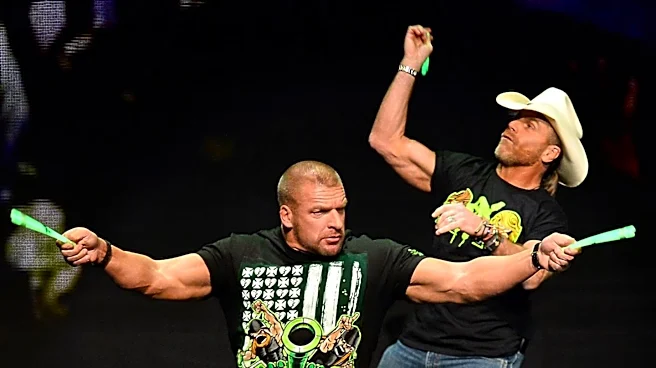
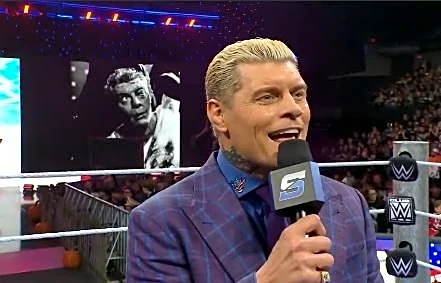
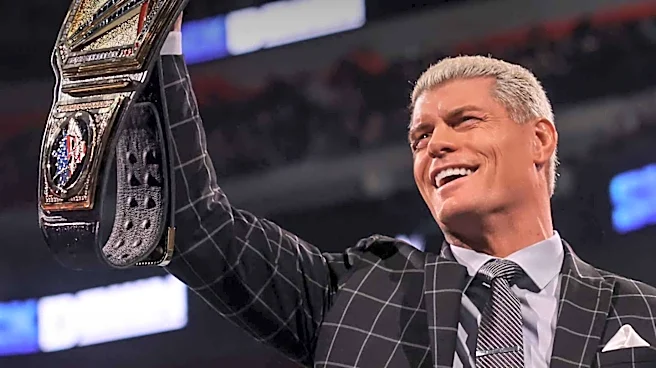
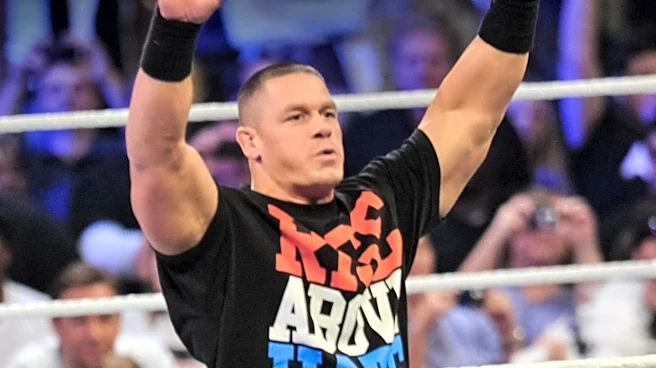
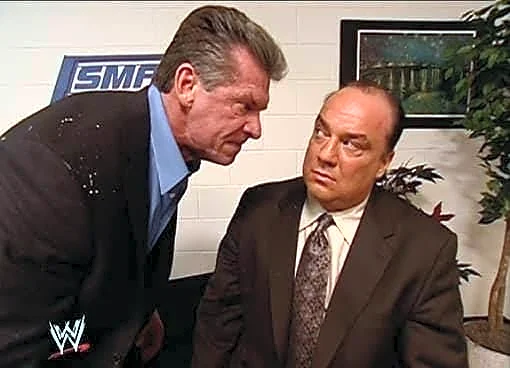
Cody Rhodes recently shared his initial apprehension about asking WWE Chief Content Officer Paul 'Triple H' Levesque for time off to film the 'Street Fighter' movie, where Rhodes portrays Guile. The film was released on October 16, 2026, and accepting
the role required Rhodes to step away from WWE programming while he was still the WWE Champion. During an appearance on the 'Double Coverage Podcast,' Rhodes admitted his nervousness in approaching Levesque, acknowledging that wrestling is Levesque's top priority as the head of creative, and keeping the WWE Champion on television is crucial. Despite his concerns, Rhodes stated that the conversation with Levesque went much better than anticipated, with Levesque immediately agreeing to accommodate his filming schedule. Levesque also encouraged Rhodes to think creatively about how his temporary departure and eventual return could be integrated into WWE storylines, rather than a traditional write-off.
Why It's Important?
This account offers a rare glimpse into the internal dynamics between top WWE talent and its creative leadership, particularly highlighting the collaborative yet hierarchical relationship with Paul Levesque. Rhodes' apprehension underscores the pressure and responsibility associated with being a WWE Champion and the perceived importance of constant visibility. Levesque's accommodating and creative approach, however, demonstrates a modern leadership style that values talent's external opportunities while strategically integrating them into WWE's narrative. This flexibility can enhance talent morale, attract performers seeking diverse opportunities, and potentially bring new audiences to WWE through cross-promotional ventures. It also signals a shift from older paradigms where outside projects might have been viewed as distractions, indicating a more progressive approach to talent management and storytelling within the company.
What's Next?
The successful integration of Cody Rhodes' film schedule into WWE programming sets a precedent for how the company might handle similar situations with other top talent pursuing external projects. This could lead to more WWE Superstars exploring opportunities in film, television, or other media, knowing that the company's creative leadership is open to accommodating such ventures. Future storylines involving champions or prominent figures taking temporary leaves may see more creative and less conventional explanations for their absence and return, moving away from traditional injury angles. This approach could also influence how WWE markets its stars, potentially leveraging their outside projects to broaden their appeal and the company's reach. The ongoing collaboration between talent and creative leadership under Paul Levesque will likely continue to shape these evolving dynamics.
Beyond the Headlines
Cody Rhodes' experience reflects a broader evolution in the entertainment industry, where the lines between different forms of media are increasingly blurred. For professional wrestlers, opportunities in Hollywood or other mainstream platforms can significantly elevate their personal brand and, by extension, the brand of WWE. Levesque's willingness to work with Rhodes on this project signifies a strategic understanding that supporting talent in their external endeavors can yield long-term benefits, including increased visibility and cultural relevance for WWE. This approach also speaks to the changing nature of celebrity and multi-platform engagement, where performers are encouraged to cultivate diverse careers. It underscores a shift from a purely insular wrestling world to one that embraces and integrates with the wider entertainment landscape, potentially attracting a broader audience and new talent to the sport.