







What's Happening?
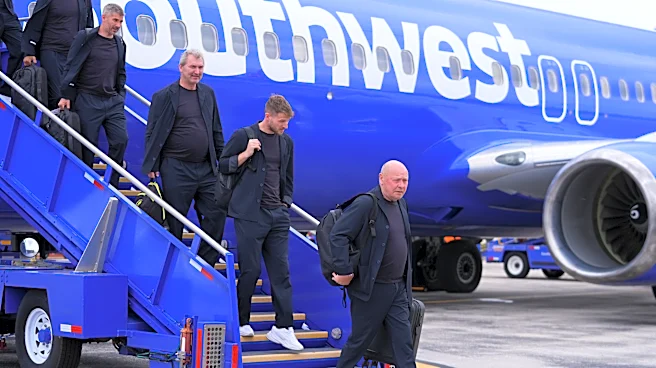
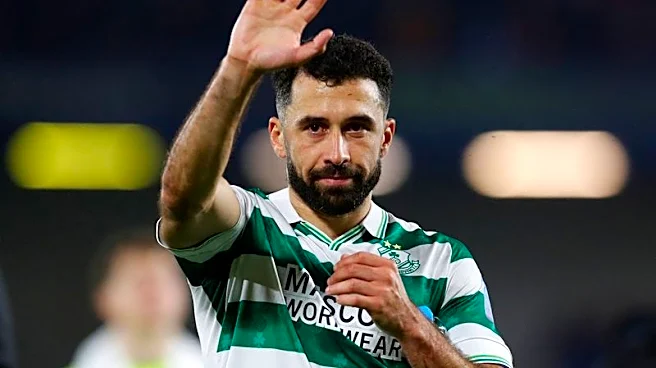
Roberto Lopes, a 33-year-old soccer player, has become a key figure in Cape Verde's national team during the World Cup, following an unexpected recruitment via LinkedIn. Lopes, who was born in Dublin to an Irish mother and a Cape Verdean father, had spent
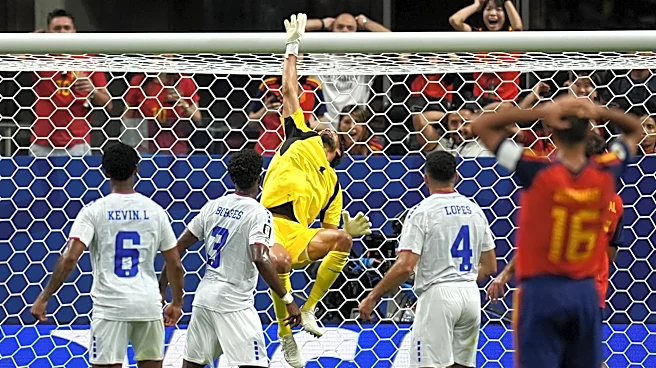
16 years playing in Ireland's top division. Despite his long career, he had only made one international appearance for Ireland at the Under-19 level in 2011. His opportunity to play at the senior international level came when Cape Verde's head coach reached out to him on LinkedIn. Initially, Lopes ignored the message due to the language barrier, as it was in Portuguese. However, after receiving a follow-up message in English, he seized the opportunity to join the Cape Verde national team. Lopes made his debut for Cape Verde in 2019 and has since played a crucial role in their World Cup campaign, including a notable performance in a match against Spain, where Cape Verde held the European champions to a 0-0 draw.
Why It's Important?
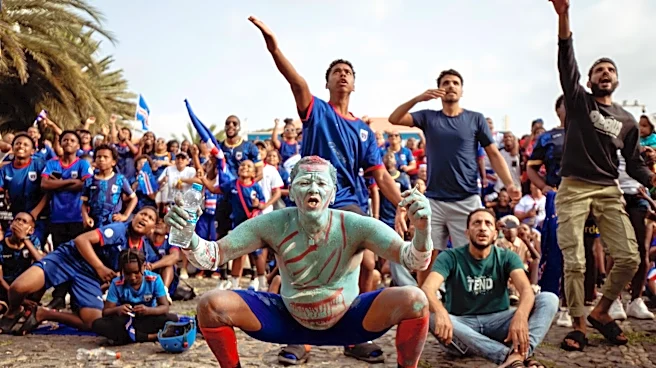
Lopes' journey to the World Cup highlights the unconventional paths athletes can take to achieve international success. His story underscores the growing influence of digital platforms like LinkedIn in professional sports recruitment, demonstrating how technology can bridge gaps and create opportunities across borders. For Cape Verde, a small nation with a population comparable to Kansas City, Lopes' participation and the team's performance on the world stage bring significant attention and pride. This achievement not only boosts national morale but also enhances the country's visibility in the global sports arena. For Lopes, embracing his Cape Verdean heritage through soccer has allowed him to connect with his roots and contribute to his father's homeland, showcasing the personal and cultural dimensions of international sports.
What's Next?
Cape Verde's unexpected success in the World Cup could lead to increased investment in sports infrastructure and youth development programs within the country. The team's performance may inspire a new generation of athletes in Cape Verde and the diaspora to pursue soccer at a competitive level. Additionally, Lopes' story might encourage other players with dual heritage to explore opportunities with national teams they are eligible to represent. As Cape Verde continues its World Cup journey, the team will likely face more challenging opponents, testing their resilience and strategic capabilities on the field.
Beyond the Headlines
Lopes' experience reflects broader themes of identity and belonging, as he navigates his dual heritage through the lens of international sports. His story highlights the potential for sports to serve as a platform for cultural exchange and personal growth. Moreover, the use of LinkedIn for sports recruitment could signal a shift in how athletes are scouted and connected with opportunities, potentially democratizing access to international competitions. This development may prompt other national teams to explore similar digital outreach strategies to discover untapped talent worldwide.