







What's Happening?
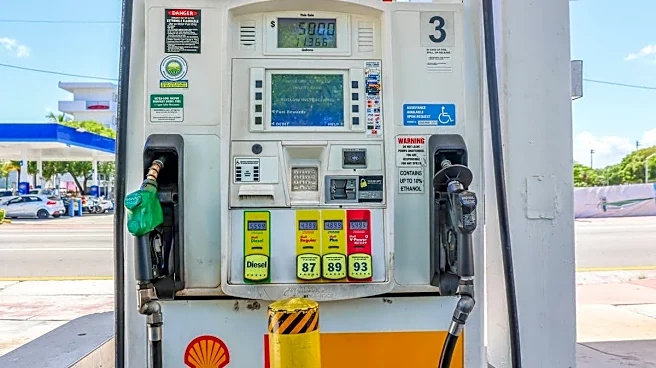
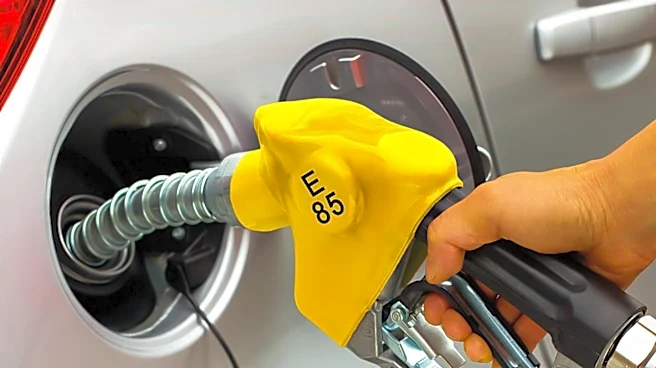
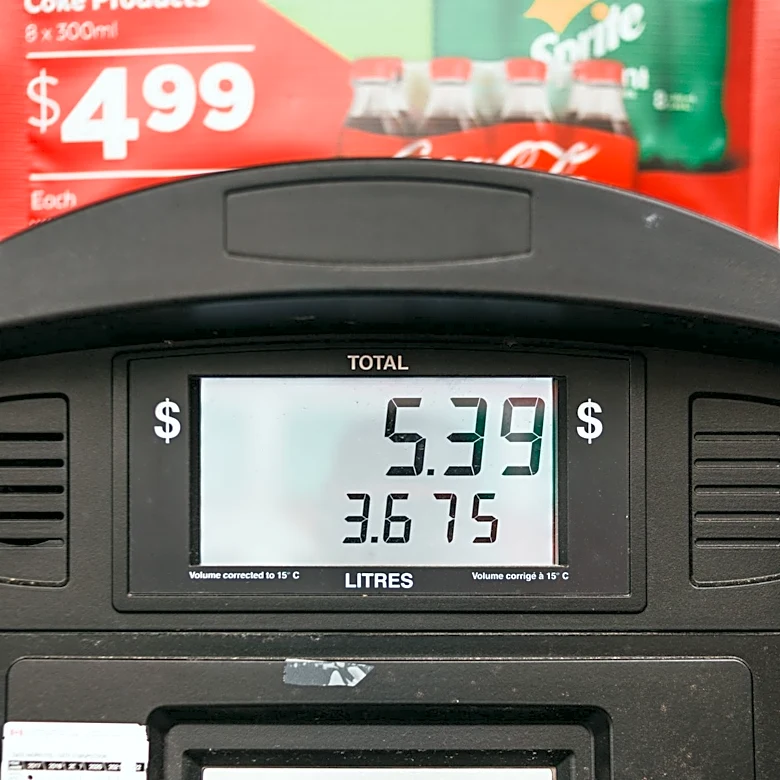
The Conference Board reported a slight increase in U.S. consumer confidence in June, attributed to declining gas prices. The consumer confidence index rose to 91.2, up from 90.6 in May, but remains below pre-pandemic levels. Despite the improvement, consumer sentiment
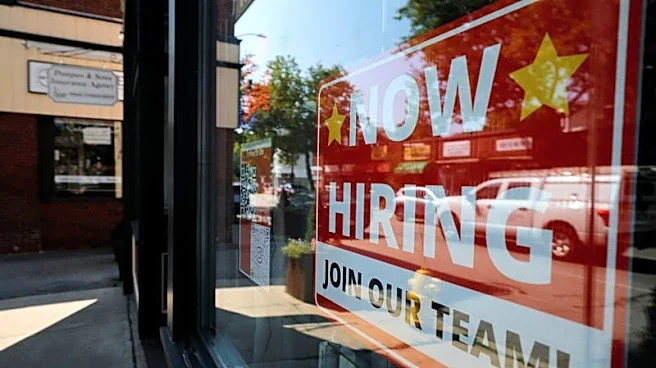
is still largely negative due to the economic impact of the recent U.S.-Iran conflict, which caused a spike in oil and gas prices. The report indicates that while consumers are spending more, their outlook on the economy remains cautious. The Labor Department is expected to release a jobs report showing a modest increase in employment, with the unemployment rate holding steady at 4.3%.
Why It's Important?
Consumer confidence is a key indicator of economic health, influencing spending and investment decisions. The slight improvement suggests that lower gas prices are providing some relief to consumers, potentially supporting continued economic growth. However, the overall negative sentiment reflects ongoing concerns about inflation and economic stability. The upcoming jobs report will provide further insights into the labor market's strength, which is crucial for sustaining consumer spending and economic momentum.
What's Next?
As gas prices continue to stabilize, consumer confidence may gradually improve, supporting economic recovery. However, persistent inflation and geopolitical tensions could pose challenges. Policymakers and businesses will need to monitor these developments closely to adapt strategies that support economic resilience. The labor market's performance in the coming months will be critical in shaping consumer sentiment and economic prospects.