






What's Happening?
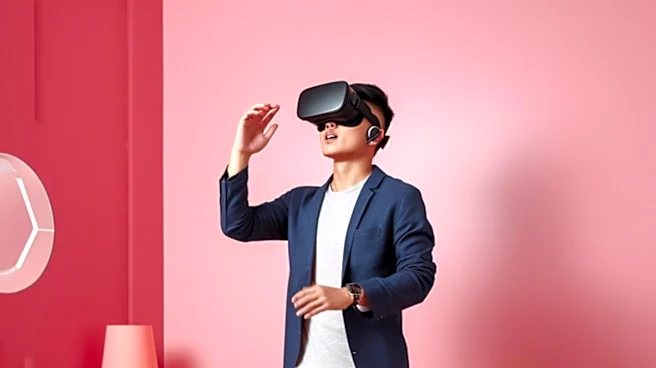
Even Realities, a Shenzhen-based smart glasses startup founded by a former Apple employee, has reached a $1 billion valuation following a $150 million funding round led by Meituan and Tencent. The company, which focuses on display-first smart glasses that
prioritize user privacy, is positioning itself as a significant player in the global smart glasses market. Unlike competitors such as Meta, Even Realities' products do not include cameras or recording hardware, instead offering features like notifications and live translation through a heads-up display. The company plans to use the new funds to enhance its smart glasses platform, integrate more AI features, and expand its global operations. Notably, more than half of its user base and 80% of its developer community are based in the United States.
Why It's Important?
The rise of Even Realities highlights the growing interest and investment in smart glasses technology, particularly in the U.S. market. As the global smart glasses market surged by 167% in the first quarter, the company's focus on privacy and user experience could set it apart from competitors like Meta, which currently holds a significant market share. The expansion of Even Realities in the U.S. could influence the competitive landscape, potentially driving innovation and adoption of smart glasses technology. This development also underscores the increasing collaboration between Chinese tech firms and U.S.-based developers, which could lead to more cross-border technological advancements and market opportunities.
What's Next?
Even Realities plans to leverage its new funding to accelerate product innovation and expand its market presence. The company aims to deepen AI integration into its smart glasses, potentially introducing new features that could further differentiate its products from competitors. As the global shipment of smart glasses is expected to more than double by 2030, Even Realities' strategic focus on privacy and user experience may attract more users and developers, particularly in the U.S. market. The company's growth could prompt responses from major players like Meta, potentially leading to increased competition and innovation in the smart glasses industry.