


What's Happening?
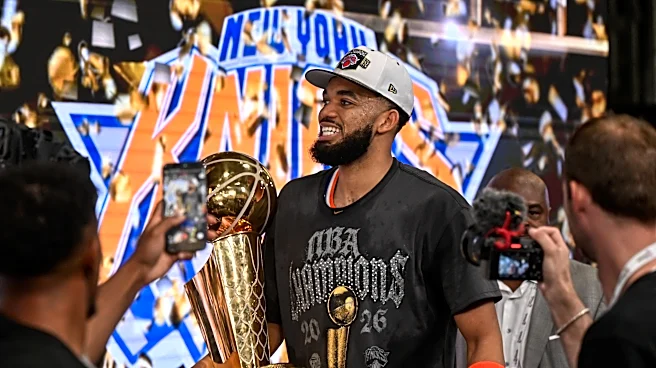
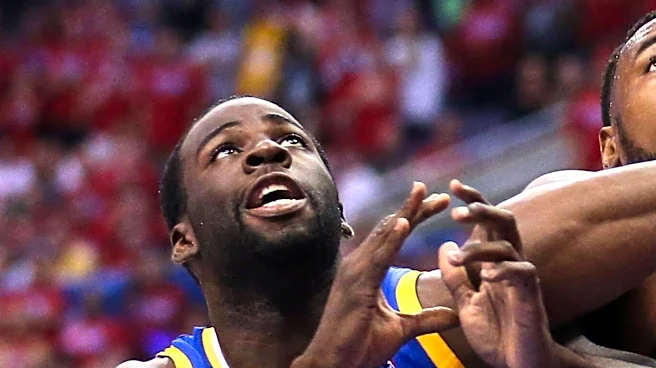
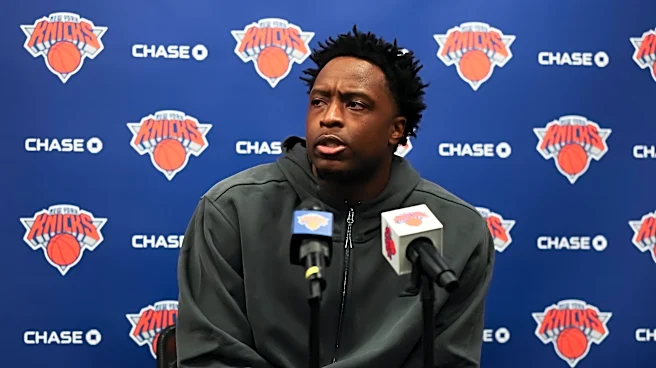
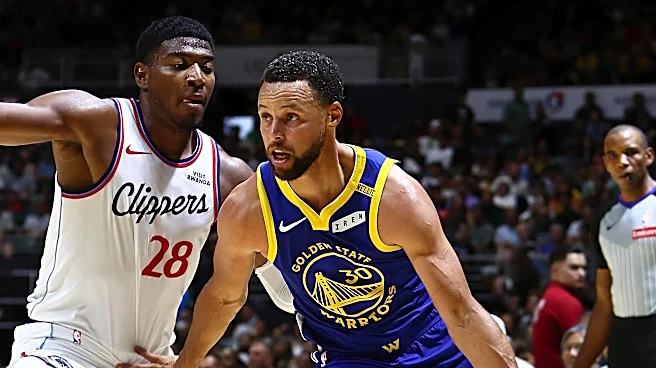
Golden State Warriors forward Draymond Green has expressed concerns that unresolved contract issues for key New York Knicks players could derail their upcoming title defense. Karl-Anthony Towns is eligible for a four-year extension worth approximately
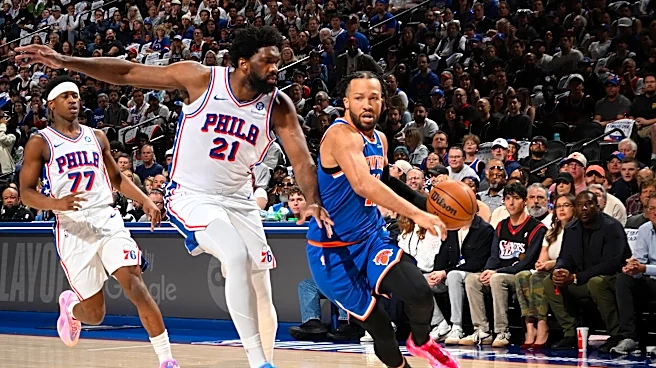
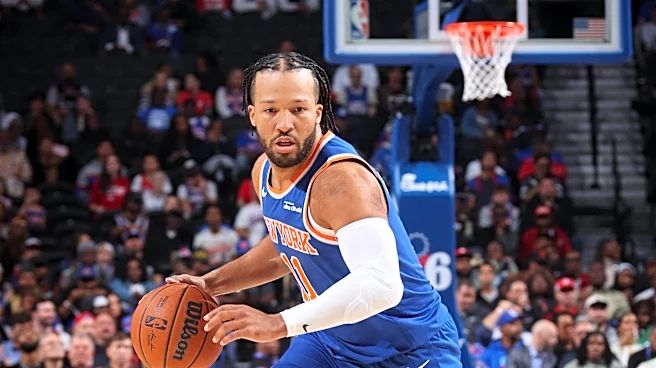
$276 million, but negotiations have stalled as the Knicks reportedly seek a significant pay cut. Similar contract talks for Josh Hart and Deuce McBride are also not progressing. Green suggests that having three players with uncertain contract situations entering the season could lead to players 'overextending' themselves while trying to secure their next deal, potentially disrupting team cohesion. He believes it's unlikely the Knicks will be able to retain two of the three players without them taking 'crazy' discounts, tracing the issue back to Jalen Brunson's earlier decision to sign a team-friendly contract.
Why It's Important?
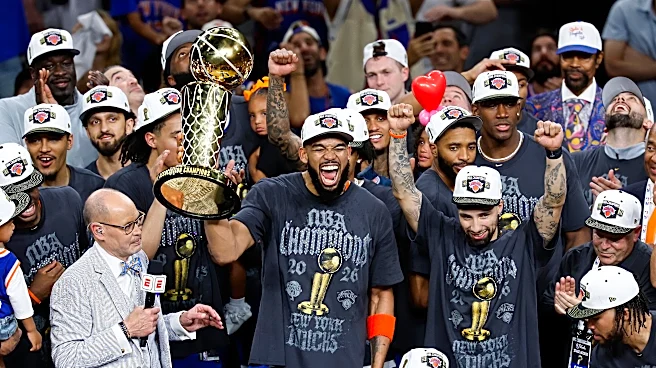
Draymond Green's commentary highlights a critical challenge facing the New York Knicks: balancing player compensation with team financial sustainability, especially after winning a championship. The NBA's salary cap rules, particularly the punitive second apron, make it difficult for teams to retain all their star players at maximum value. If the Knicks cannot resolve these contract disputes, it could lead to significant roster changes, potentially breaking up the core that led them to a title. This situation could impact team chemistry, as Green suggests, and create internal friction if players feel undervalued. The outcome of these negotiations will not only determine the Knicks' ability to defend their championship but also serve as a case study for other NBA teams navigating similar post-championship financial pressures, influencing how player loyalty and market value are balanced in the league.
What's Next?
The New York Knicks face a challenging period of ongoing contract negotiations with Karl-Anthony Towns, Josh Hart, and Deuce McBride. The team will need to decide whether to meet player demands, risk losing key contributors, or find a compromise that satisfies both financial constraints and player expectations. The situation could extend throughout the season, potentially creating a distraction for the team. If no agreements are reached, the Knicks might be forced to consider trades or allow players to enter free agency, which could significantly alter their roster composition. The team's performance in the upcoming season, particularly if contract issues affect player focus or team dynamics, will heavily influence future decisions. The resolution of these disputes will be crucial for the Knicks' long-term competitiveness and their ability to build a sustained dynasty.
Beyond the Headlines
Draymond Green's insights delve into the often-unseen psychological and financial pressures within professional sports. His observation that players might 'overextend' themselves due to contract uncertainty speaks to the human element behind the game, where individual financial security can sometimes conflict with collective team goals. The 'domino effect' he describes, where one player's 'discount' sets an expectation for others, highlights the complex social dynamics within a locker room and the delicate balance of team culture. This situation also underscores the broader economic realities of the NBA, where even championship teams face difficult choices due to salary cap restrictions. It raises ethical questions about the fairness of player compensation versus team financial health and the long-term sustainability of successful franchises in a league with strict financial regulations. The Knicks' handling of this situation will offer valuable lessons on managing success and navigating the intricate financial landscape of professional basketball.