






What's Happening?
Smart vanity technology is evolving beyond basic illuminated mirrors to include advanced features such as touch controls for brightness and color temperature, anti-fog heating, magnification, and memory settings. More sophisticated models integrate built-in
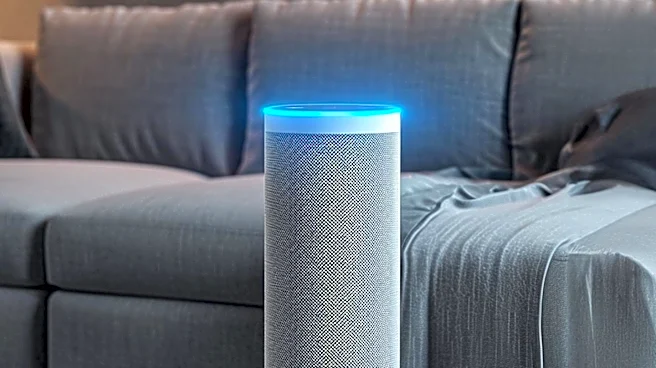
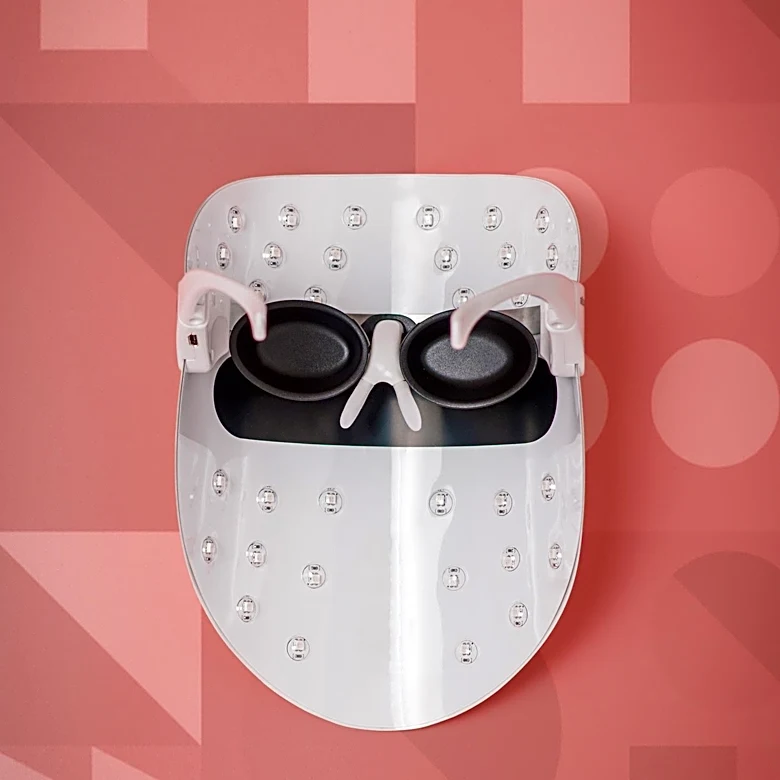
displays for time, weather, or calendars, Bluetooth speakers, and app control. Some cutting-edge smart mirrors even incorporate cameras and software to track skin changes over time, offering personalized skincare insights. Beyond mirrors, the category encompasses handheld beauty devices like sonic cleansing brushes, LED light masks and wands, and microcurrent devices, some of which have FDA clearance for specific uses. The market for these technologies is expanding, driven by consumer demand for enhanced functionality and personalized beauty routines.
Why It's Important?
The expansion of smart vanity technology signifies a growing market for integrated beauty and wellness solutions in the U.S. This trend impacts various industries, including consumer electronics, home goods, and personal care. For consumers, these innovations offer convenience, personalized data, and potentially more effective beauty regimens. However, the varying levels of sophistication and claims, particularly for handheld devices, necessitate careful consideration. The emergence of mirrors with cameras and software for skin tracking also raises important questions about data privacy and security, which consumers and regulators will need to address. Businesses in this sector face the challenge of differentiating genuinely useful products from expensive gadgets, while also ensuring transparency about product capabilities and data handling.
What's Next?
The future of smart vanity technology is likely to see continued integration of artificial intelligence and advanced sensors for even more personalized and data-driven beauty solutions. As these technologies become more commonplace, there will be an increased focus on user-friendly interfaces, seamless connectivity with other smart home devices, and robust data protection measures. The market will also likely witness further consolidation and specialization, with companies focusing on specific niches within smart beauty tech. Consumers can expect more sophisticated skin analysis tools, augmented reality features for makeup application, and devices that offer a holistic approach to personal care. The regulatory landscape, particularly concerning health claims and data privacy, is also expected to evolve to keep pace with these technological advancements.
Beyond the Headlines
The rise of smart vanity technology reflects a broader cultural shift towards self-optimization and data-driven personal care. The ability to track skin changes and receive personalized recommendations can empower individuals to take a more proactive role in their beauty and health. However, it also introduces the potential for increased self-scrutiny and reliance on technology for personal validation. The ethical implications of collecting sensitive personal data, such as facial images and skin conditions, are significant. Companies developing these technologies must prioritize user consent, data anonymization, and transparent data usage policies to build trust. Furthermore, the environmental impact of producing and disposing of these electronic devices will become a more pressing concern, prompting a need for sustainable manufacturing practices and recycling initiatives.