






What's Happening?
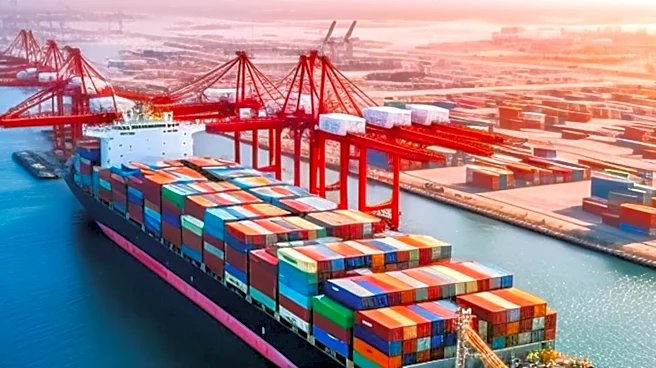
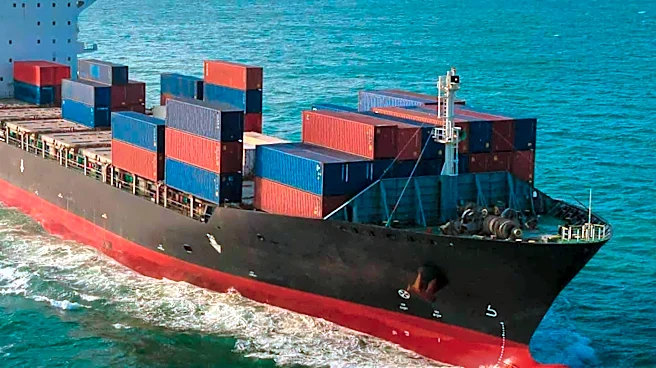
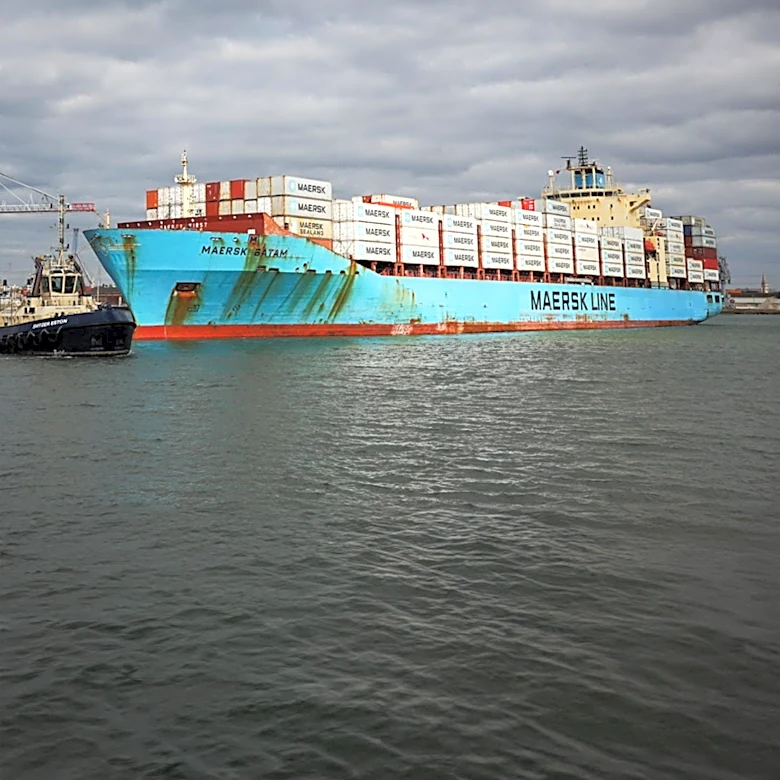
The Strait of Hormuz, a critical maritime corridor, has become a focal point for geopolitical tensions affecting global supply chains. This narrow waterway is crucial as it facilitates the passage of roughly one-fifth of the world's oil trade. Recent
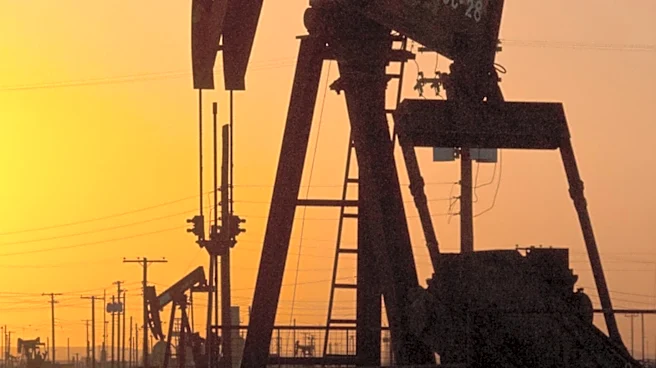
events in early 2026 have highlighted the vulnerability of global supply networks, with increased insurance costs, disrupted shipping routes, and surging oil prices. These developments have significant implications for grocery retailers, as the cost and availability of products like olive oil are directly influenced by such geopolitical events. The interconnected nature of modern supply chains means that disruptions in one part of the world can lead to noticeable changes in product prices and availability on supermarket shelves thousands of miles away.
Why It's Important?
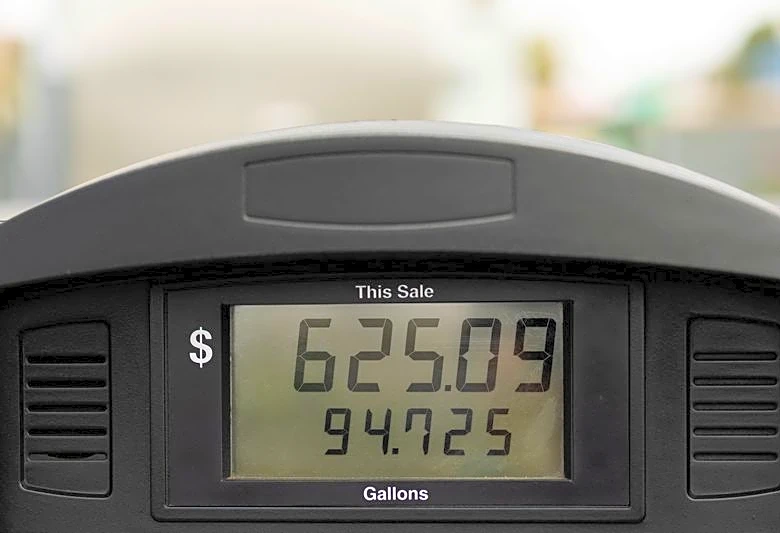
The situation underscores the complexity and fragility of global supply chains, particularly in the grocery sector. As energy prices rise due to geopolitical tensions, the entire value chain—from farming and manufacturing to transportation and retail—is affected. This results in higher operational costs for transportation providers, increased marine insurance premiums, and additional cost pressures on energy-intensive industries. For consumers, this translates to higher prices and reduced availability of products like olive oil. Retailers must navigate these challenges by enhancing supply chain visibility and adopting more agile and responsive planning models to mitigate the impact of such disruptions. The ability to anticipate and respond to these changes is crucial for maintaining competitive advantage in a volatile global market.
What's Next?
Retailers are increasingly investing in connected platforms and AI-enabled decision intelligence to better anticipate and respond to supply chain disruptions. By shifting from forecast-centric planning to more connected and orchestrated operating models, retailers aim to sense disruptions earlier, understand their impacts faster, and respond with greater speed and confidence. This proactive approach is essential as the industry faces not only geopolitical instability but also climate-related pressures, agricultural volatility, and changing consumer behaviors. The focus is on building resilient organizations capable of adapting quickly to changing conditions and maintaining supply chain integrity in the face of ongoing global challenges.
Beyond the Headlines
The broader implications of these developments highlight the need for a paradigm shift in supply chain management. Retailers must move beyond traditional demand forecasting to a more holistic understanding of supply chain dynamics. This involves assessing external factors that affect sourcing strategies, inventory positions, and promotional plans. The goal is to build organizations that can see change sooner, analyze impacts faster, and make informed decisions to maintain supply chain resilience. As the industry navigates a landscape of permanent volatility, competitive advantage will belong to those who can orchestrate their response faster than disruptions can take hold.