




What's Happening?
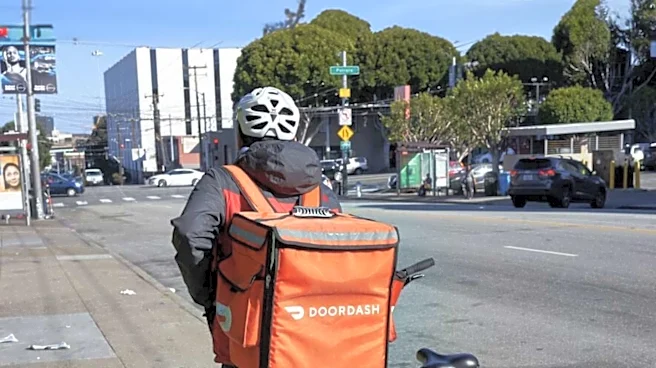
DoorDash, operating under the ticker DASH, has reported significant growth in its latest quarter, with revenue reaching approximately $4.6 billion, marking a 34% increase year-over-year. Total orders surged by 28% to nearly 993 million, and Marketplace
Gross Order Value climbed by 36%. The company's Adjusted EBITDA also saw a substantial rise of 41%, reaching about $1.06 billion. A pivotal development for DoorDash is its announced acquisition of Instacart, valued at approximately $17 billion. This strategic move is set to significantly expand DoorDash's presence in the grocery delivery sector. Despite these positive operational results, DoorDash's stock has experienced volatility, retreating from its 52-week highs, though it maintains a positive year-to-date performance. Analyst opinions on DoorDash remain varied, with some maintaining 'Buy' or 'Outperform' ratings, citing strong order trends, while others express concerns regarding integration challenges post-acquisition.
Why It's Important?
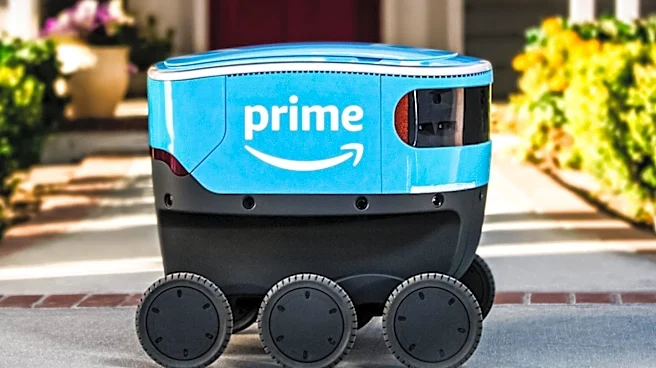
DoorDash's robust financial performance and its acquisition of Instacart are significant for the U.S. on-demand delivery market. The Instacart acquisition positions DoorDash to become a dominant player in grocery delivery, intensifying competition with existing giants like Amazon and Uber. This expansion could reshape consumer habits for grocery shopping and delivery services, potentially leading to increased market consolidation. For investors, DoorDash's faster growth rates and strategic expansion into groceries present a compelling, albeit higher-risk, investment opportunity compared to more diversified competitors like Uber. The success of integrating Instacart will be crucial in determining DoorDash's long-term market share and profitability, impacting both consumers through service availability and pricing, and merchants through broader delivery options.
What's Next?
Following the Instacart acquisition announcement, DoorDash will focus on the integration of Instacart's operations into its existing platform. This process will involve merging technologies, logistics, and merchant partnerships, which could present operational challenges. The company will also need to navigate increased competition in the grocery delivery space, particularly from well-established players. Future financial reports will likely detail the progress of this integration and its impact on DoorDash's overall market performance and profitability. Stakeholders, including investors and competitors, will closely monitor how DoorDash leverages Instacart's network to expand its market reach and whether it can maintain its growth trajectory while managing the complexities of a large-scale acquisition.
Beyond the Headlines
The acquisition of Instacart by DoorDash signifies a broader trend of consolidation within the gig economy and the on-demand delivery sector. This move could lead to fewer major players in the market, potentially impacting pricing strategies for consumers and commission structures for merchants and delivery couriers. From an ethical standpoint, the increased market dominance could raise questions about fair competition and potential monopolistic practices. Legally, regulatory bodies might scrutinize such large mergers to ensure they do not stifle innovation or harm consumer interests. Culturally, the expanded reach of DoorDash into grocery delivery further embeds on-demand services into daily life, potentially altering traditional shopping behaviors and increasing reliance on digital platforms for essential goods.