
What's Happening?
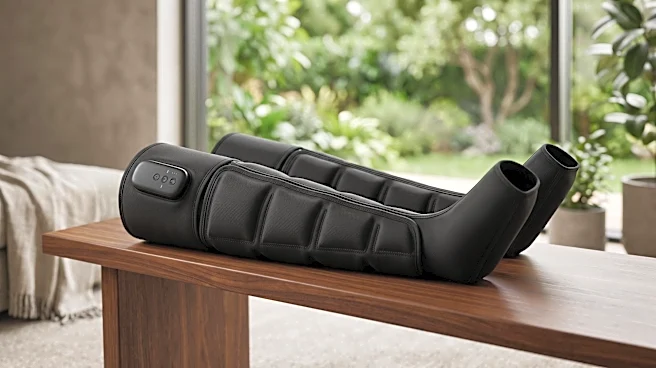
Dynamic, a Dutch brand, has introduced its new Re-Legs wireless compression boots designed for cyclists. These full-length sleeves extend from the feet to the thighs and incorporate five air chambers that
apply controlled pressure to the legs. The system is marketed as a recovery aid for cyclists after intensive training sessions or long rides. The Re-Legs offer three massage programs and twelve pressure levels, ranging from 40 to 150 mmHg, allowing for individual adjustment. The control units are integrated directly into the boots, eliminating the need for an external unit or power socket during use. The battery is stated to last up to four hours, sufficient for up to twelve massage sessions per charge. The product will be available from October 29, 2026, through Dynamic retailers, with distribution handled by Sport Import, at an announced price of 499.99 euros. However, the press release from Dynamic does not provide any evidence to support claims of accelerated recovery or additional training benefits.
Why It's Important?
The introduction of Dynamic Re-Legs highlights the growing market for athletic recovery tools, particularly in the cycling community. While compression boots are popular among athletes for perceived benefits like reduced muscle soreness and improved blood flow, the lack of scientific evidence for accelerated recovery in this specific product raises questions about the efficacy of such claims. For consumers, this means that while the product offers advanced features like wireless operation and customizable pressure settings, its core promise of faster recovery remains unsubstantiated by the manufacturer. This could influence purchasing decisions, as athletes and fitness enthusiasts often seek products with proven benefits to justify their investment. The competitive landscape of recovery technology also means that brands are constantly innovating, but the emphasis on marketing claims over scientific backing can create a challenge for consumers to differentiate truly effective products from those with unverified benefits.
What's Next?
The Dynamic Re-Legs compression boots are scheduled to be available from October 29, 2026. Following their release, it is likely that independent reviews and practical tests will emerge, which could provide more insights into the user experience, comfort, and perceived effectiveness of the product. Without manufacturer-provided evidence, consumers and sports science communities may look for third-party evaluations to assess whether the boots deliver on their recovery promises. The market will also observe how Dynamic addresses the lack of scientific backing for its recovery claims, potentially through future research or by refining its marketing to focus on the immediate comfort and massage benefits rather than accelerated recovery. Competitors in the compression boot market may also respond by emphasizing their own research or by developing similar wireless technologies.
Beyond the Headlines
The launch of products like Dynamic Re-Legs without scientific evidence for their primary claims underscores a broader trend in the sports recovery industry where marketing often outpaces research. This can lead to a consumer landscape where perceived benefits, driven by anecdotal evidence or influencer endorsements, hold more sway than rigorous scientific validation. Ethically, this raises questions about the responsibility of manufacturers to provide evidence for health and performance claims. Legally, regulatory bodies may scrutinize such claims if they are deemed misleading, especially if consumers are making significant financial investments based on unproven benefits. Culturally, there's a strong desire among athletes to optimize recovery, making them susceptible to products that promise an edge, even without robust data. This situation highlights the ongoing tension between innovation, market demand, and scientific integrity in the sports technology sector.