




What's Happening?
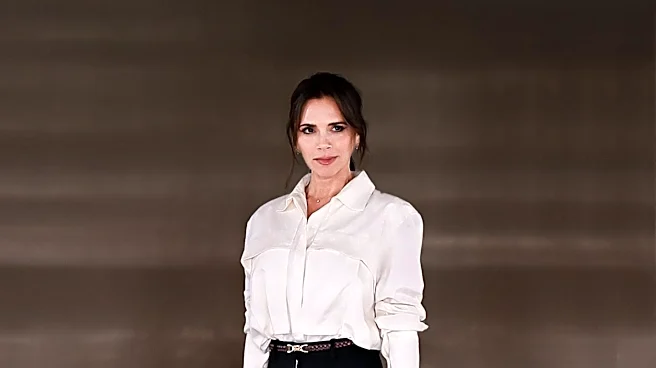
Victoria Beckham, the fashion designer, is reportedly allowing the trademark rights to her sons' names to expire in December 2026, opting not to renew them. This decision will grant her eldest son, Brooklyn Peltz-Beckham, full control over the commercial
use of his name, a point of contention that has exacerbated a family dispute. According to DailyMail, Victoria and her husband, David Beckham, hope this concession will facilitate a reconciliation, potentially before Christmas. Similar rights transfers are planned for Romeo Beckham and Cruz Beckham. However, the brand rights for their minor daughter, Harper, will continue to be managed by her parents. Victoria initially registered her children's names as trademarks in 2016, reportedly to protect them and the family brand, not to restrict future business endeavors. An insider told The Sun that since the sons are now adults with their own careers and businesses, the trademark rights will be transferred to them when renewal is due next month. This move is anticipated to alleviate Brooklyn's frustration and pave the way for a significant reconciliation.
Why It's Important?
This development signifies a potential shift in the Beckham family's internal dynamics and brand management strategy. By relinquishing control over her sons' names, Victoria Beckham is empowering them with greater autonomy in their individual careers and commercial ventures. This could lead to new business opportunities for Brooklyn, Romeo, and Cruz, allowing them to independently monetize their personal brands without parental oversight. The decision also highlights the complexities of managing celebrity family brands, especially as children mature and seek their own professional identities. The hope for reconciliation underscores the personal stakes involved, suggesting that business decisions are intertwined with family relationships. This move could set a precedent for how other celebrity families handle the branding and commercial rights of their adult children, balancing protection with individual empowerment.
What's Next?
The immediate next step will be the expiration and non-renewal of the trademark rights in December 2026, followed by the transfer of these rights to Brooklyn, Romeo, and Cruz Beckham. The family will likely observe Brooklyn's reaction to this gesture, as his acceptance is crucial for any potential reconciliation. There is an expectation that this move could lead to an improvement in family relations, possibly before the Christmas holiday. It remains to be seen how Brooklyn will utilize his newfound control over his name's commercial use and whether this will lead to new independent projects or collaborations. The situation with Harper's brand rights will remain unchanged, with her parents continuing to manage them due to her minor status. Future public appearances or statements from any family member could indicate the success or failure of this reconciliation effort.
Beyond the Headlines
Beyond the immediate family dynamics, this situation touches upon broader themes of generational autonomy and the evolution of celebrity branding. As children of famous personalities come of age, the tension between parental guidance and individual independence often surfaces, particularly in the commercial realm. Victoria Beckham's decision reflects a recognition of her sons' maturity and their desire to forge their own paths, even if it means ceding control over valuable intellectual property. This could also be viewed as a strategic move to de-escalate public family disputes, which can negatively impact brand perception. The ethical implications of parents trademarking their children's names, even with protective intentions, become apparent as those children grow up and seek self-determination. This case highlights the ongoing challenge for celebrity families to navigate personal relationships alongside public image and commercial interests.