


What's Happening?
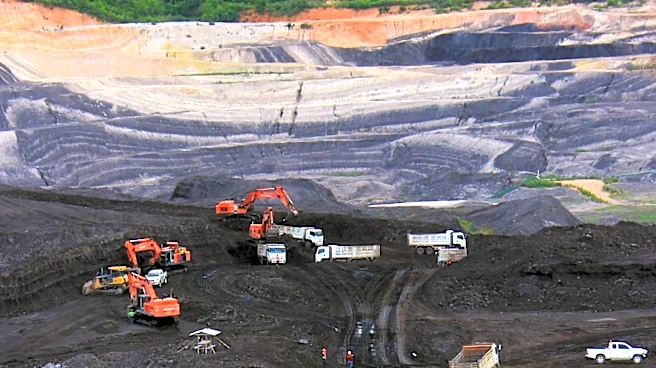
Chinese electric vehicle battery manufacturers are demanding significantly steeper discounts for cobalt, intensifying margin pressures on Indonesian nickel producers. These producers, who extract both nickel and cobalt from mixed hydroxide precipitate
(MHP) using high-pressure acid leach (HPAL) technology, are already facing rising costs for ore and sulfur. Buyers are now paying only 67% of the cobalt metal price for the cobalt contained in MHP, a sharp drop from approximately 90% just last month. This percentage, known as payables, has been driven down by major battery players like CATL's procurement arm Brunp and battery-materials producer CNGR Advanced Material. While traders have absorbed most of the impact so far, the pressure is expected to shift to Indonesian HPAL operators during fourth-quarter supply negotiations. This sustained reduction in cobalt revenues could force some higher-cost producers to cut output.
Why It's Important?
This development highlights the significant leverage Chinese battery manufacturers hold in the global supply chain for EV raw materials. The increased pressure on Indonesian nickel producers could lead to reduced output, potentially impacting the global supply of nickel and cobalt, which are crucial for electric vehicle batteries. For the U.S. EV industry, this could translate into higher raw material costs or supply chain instability if Indonesian production is curtailed. It also underscores the volatility in commodity markets and the complex interplay between supply, demand, and geopolitical factors (such as previous export curbs from Congo). Companies reliant on these materials will need to reassess their procurement strategies and potentially seek more diversified sources or invest in alternative battery chemistries to mitigate risks associated with price fluctuations and supplier leverage.
What's Next?
As fourth-quarter supply deals are negotiated, Indonesian nickel HPAL operators are expected to face direct pressure from these deeper cobalt discounts. This could lead to a reduction in output from higher-cost producers, potentially altering the competitive landscape of the nickel and cobalt market. The market will be watching to see if these lower payables become a new norm, even if cobalt metal prices fluctuate. The recovery of cobalt supplies to China from Congo, following the replacement of a quota system, is contributing to the downward pressure on payables, suggesting that the current trend may persist. Producers will need to find ways to optimize their operations, reduce costs, or explore new markets to maintain profitability in this challenging environment.
Beyond the Headlines
This situation reveals the intricate and often opaque dynamics of global commodity pricing, particularly for critical minerals essential to the energy transition. The power imbalance between large-scale battery manufacturers and raw material producers can lead to significant economic vulnerabilities for the latter, especially in developing nations like Indonesia. It also raises questions about the long-term sustainability of current supply chains, as producers may struggle to invest in necessary upgrades or expansions if margins are continually squeezed. This could inadvertently slow down the global transition to electric vehicles if raw material supply becomes constrained or economically unviable for producers. Furthermore, it highlights the need for greater transparency and potentially more balanced contractual agreements within the battery supply chain to ensure equitable distribution of value and sustainable production practices.