


What's Happening?
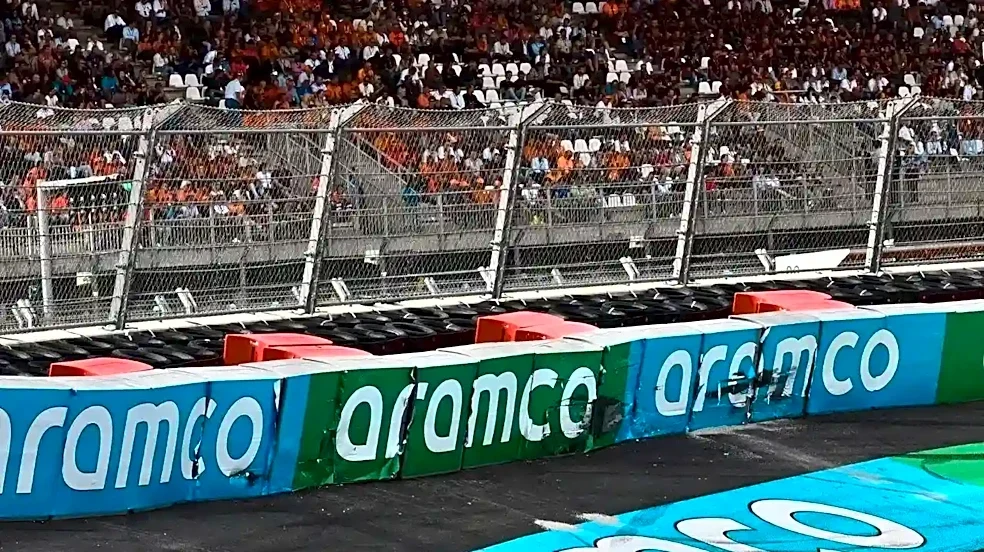
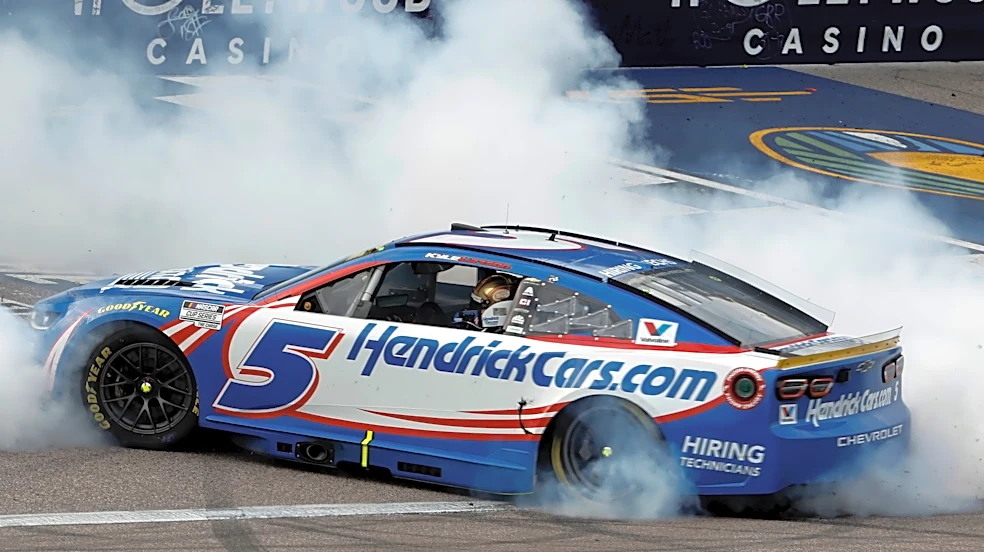
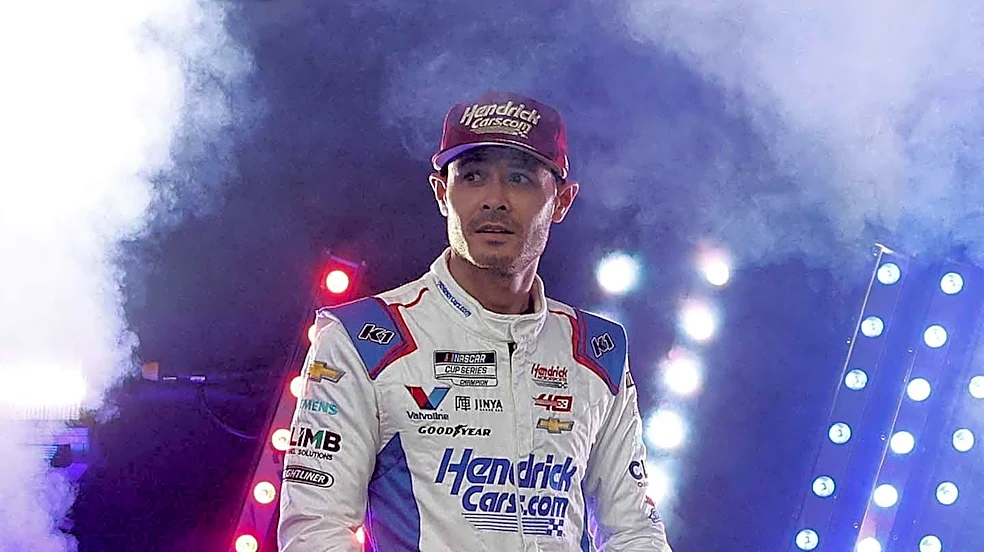
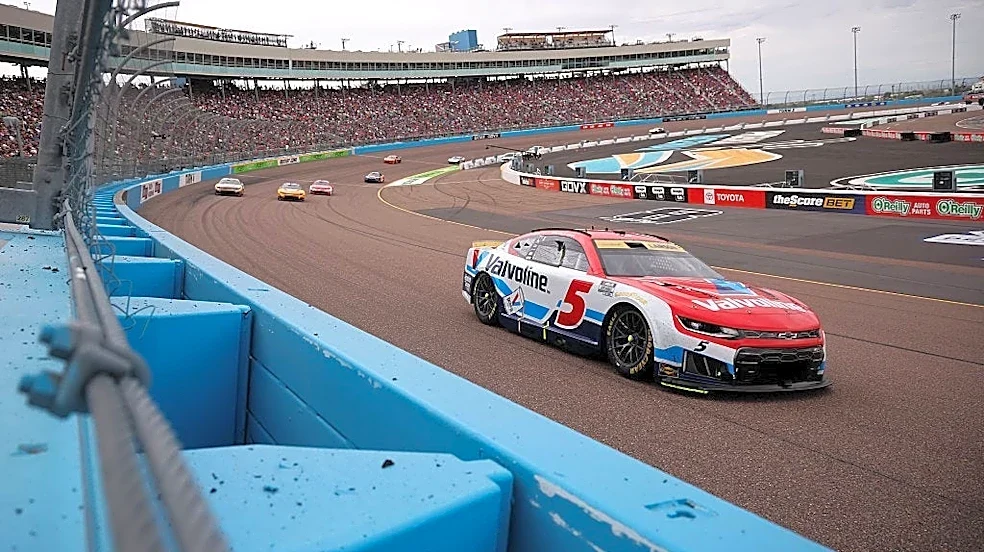
Kyle Larson, the reigning NASCAR Cup Series champion, experienced a significant setback at Phoenix Raceway, finishing 34th after a flat tire caused him to hit the wall. This incident severely impacted his standing in 'The Chase' postseason, where he had
previously maintained an average finish of 2.83 over the first six races, including two wins and two second-place finishes. Despite the poor performance, Larson still holds a five-point lead over Christopher Bell in the Chase standings. Tyler Reddick secured his sixth win of the season at Phoenix, with Ryan Blaney finishing second and Larson's teammate Chase Elliott in third. Denny Hamlin, who also faced bad luck with a flat tire and a speeding violation, finished 28th but still gained ground in the Chase from a points perspective, moving from second to fourth in the standings. The race results have intensified the competition with three races remaining in the season.
Why It's Important?
Kyle Larson's unexpected stumble at Phoenix Raceway has dramatically reshaped the NASCAR Cup Series Chase, injecting significant unpredictability into the championship battle. His previous dominance had made him a strong favorite, but this setback has opened the door for other contenders like Christopher Bell, Chase Briscoe, Denny Hamlin, Ryan Blaney, Joey Logano, and Tyler Reddick. This increased competition is crucial for NASCAR, as it can boost fan engagement and viewership during the critical final races of the season. For teams and sponsors, a wide-open championship race offers more opportunities for exposure and success, potentially leading to higher returns on investment. The incident also highlights the inherent volatility of NASCAR racing, where a single mechanical issue or on-track incident can drastically alter a driver's championship hopes, emphasizing the importance of consistency and resilience throughout the playoffs. The tightened standings ensure that the upcoming races at Talladega, Martinsville, and Homestead-Miami will be high-stakes events, captivating a broader audience.
What's Next?
With Kyle Larson's lead significantly reduced, the NASCAR Cup Series Chase is now wide open heading into the final three races. The next race is at Talladega Superspeedway, known for its unpredictable pack racing, which could further shuffle the standings. Following Talladega are Martinsville Speedway and the championship race at Homestead-Miami Speedway. Larson and his team will need to quickly rebound and execute flawless races to maintain their championship aspirations. Other contenders, including Christopher Bell, Chase Briscoe, Denny Hamlin, Ryan Blaney, Joey Logano, and Tyler Reddick, will be looking to capitalize on Larson's recent misfortune and make their move for the title. The performance of Toyota teams, which secured the manufacturers' championship and have five drivers in the top nine of the Chase standings, will also be a key factor to watch. The heightened stakes promise intense competition and strategic racing as drivers vie for the coveted Cup Series championship.
Beyond the Headlines
The dramatic shift in the NASCAR Cup Series Chase following Kyle Larson's Phoenix incident underscores the psychological and strategic pressures inherent in high-stakes professional sports. Larson's previous 'excellence' and 'dominance' were quickly eroded by a single mechanical failure, illustrating the fragility of momentum and the constant threat of unforeseen circumstances. This event could serve as a powerful narrative for resilience and adaptation within the sport, as teams and drivers must quickly analyze failures and adjust strategies under immense pressure. The tightening of the championship battle also highlights the 'any given Sunday' aspect of NASCAR, where even the most dominant competitors are vulnerable. This unpredictability, while potentially stressful for participants, is a significant draw for fans, fostering a sense of excitement and the belief that any driver has a chance. The incident also implicitly raises questions about the role of luck versus skill in a sport where mechanical failures can be decisive, adding a layer of philosophical debate to the competitive narrative.