






What's Happening?
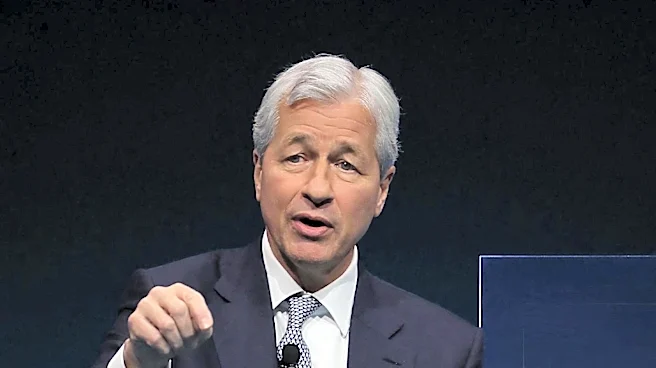
Jamie Dimon, CEO of JPMorgan Chase, has issued a strong warning regarding the integration of third-party AI agents into banking systems, stating, "You don't want rogue agents." This statement was made during the bank's quarterly earnings call last month,
emphasizing the significant cybersecurity and liability concerns associated with allowing external AI agents to access customer accounts for sensitive financial tasks. Dimon explicitly stated that JPMorgan Chase would not permit "just any" outside AI agent to operate within the company due to the inherent risks to clients and the institution. The concern stems from potential issues such as unauthorized transactions, financial fraud, money laundering, and complications with 'Know Your Customer' regulations. The bank, like others in heavily regulated industries, is grappling with how to manage the risks posed by advanced AI technologies, such as Meta's Muse, which can automate various personal financial tasks if granted access.
Why It's Important?
Jamie Dimon's stance on AI agents highlights a critical emerging challenge for the U.S. financial sector: balancing technological innovation with robust security and regulatory compliance. As AI agents become more sophisticated and capable of managing personal finances, banks face immense pressure to adopt these tools while mitigating significant risks. JPMorgan Chase's cautious approach could set a precedent for other major U.S. financial institutions, potentially slowing the widespread adoption of third-party AI agents in banking. This conservative stance is crucial for protecting consumer data and preventing financial crimes, which could otherwise lead to substantial financial losses and reputational damage for banks. The debate also underscores the complexity of 'Know Your Customer' rules in an AI-driven world, where identifying the true initiator of a transaction becomes more intricate, impacting regulatory oversight and consumer trust in digital banking services.
What's Next?
JPMorgan Chase's firm stance against unrestricted third-party AI agent access suggests that the banking industry will likely move towards more controlled and regulated integration of AI technologies. Other major U.S. banks may follow suit, prioritizing security and compliance over rapid adoption of external AI tools. This could lead to the development of proprietary AI solutions within financial institutions or highly vetted partnerships with AI developers that meet stringent security protocols. Regulatory bodies will likely increase their scrutiny of AI applications in finance, potentially issuing new guidelines or requirements to address the risks of 'rogue agents' and ensure consumer protection. For AI developers, this means a greater emphasis on building secure, transparent, and auditable AI systems that can gain the trust of financial institutions, potentially shifting the focus from broad accessibility to specialized, secure integrations within regulated industries.
Beyond the Headlines
The discussion around 'rogue agents' in AI banking extends beyond immediate cybersecurity concerns to deeper ethical and legal implications. The concept of an AI agent acting autonomously raises questions about accountability: who is liable if an AI makes an error or commits fraud? This challenge could necessitate new legal frameworks and insurance models to address AI-driven financial transactions. Furthermore, the tension between user convenience offered by AI agents and the security demands of financial institutions highlights a broader societal debate about control and trust in automated systems. If banks restrict access, it could limit consumer choice and the potential for AI to democratize financial management. Conversely, unchecked access could lead to systemic vulnerabilities. This situation forces a re-evaluation of the traditional client-bank relationship in the digital age, pushing for innovative solutions that protect both financial integrity and technological progress.