


What's Happening?
The gypsum block market is experiencing significant growth and transformation due to the increasing emphasis on sustainable construction practices. Gypsum blocks are gaining popularity among architects, builders, and developers as lightweight and eco-friendly
building materials. This trend is fueled by stringent environmental regulations aimed at reducing carbon footprints and promoting green building certifications like LEED and BREEAM. Gypsum blocks meet many of these standards due to their low embodied energy and recyclability. Technological innovations in manufacturing, such as automated processes and the incorporation of recycled gypsum and natural additives, are enhancing their sustainability profile and performance. Additionally, the growing demand for energy-efficient buildings is driving adoption, as gypsum blocks offer superior insulation properties that help reduce heating and cooling costs.
Why It's Important?
This trend is highly significant for the U.S. construction industry and its efforts towards sustainability. The increased adoption of gypsum blocks contributes to reducing the overall environmental impact of buildings by lowering embodied energy and promoting recyclability. For U.S. businesses in the construction and manufacturing sectors, this creates opportunities for innovation in production processes and product development, particularly in creating high-performance, eco-friendly gypsum products. Compliance with green building standards and regulations becomes easier, potentially leading to competitive advantages and access to new markets. The focus on energy efficiency also translates into long-term cost savings for building owners and occupants, aligning with broader national goals for energy conservation and sustainable infrastructure development.
What's Next?
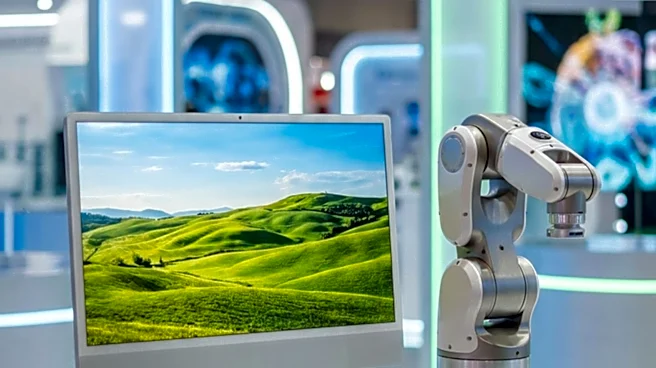
Looking ahead, the gypsum block market is expected to integrate smart building technologies, with innovations such as embedded sensors for thermal and moisture monitoring enhancing the functionality of these materials. There will be continued efforts to expand the use of recycled gypsum and develop bio-based additives to further improve their environmental profile. Manufacturers and developers are advised to monitor evolving building standards and consumer preferences to capitalize on the rising demand for sustainable construction solutions. Strategic investments in research and development, sustainable sourcing, and regional market development will be crucial for companies to capture growth opportunities in this evolving market. The shift towards sustainable construction will continue to reshape manufacturing processes and supply chains, emphasizing circular economy practices.
Beyond the Headlines
The rise of gypsum blocks in sustainable construction reflects a broader societal shift towards valuing environmental responsibility in material choices. This trend highlights the ethical imperative for industries to minimize their ecological footprint and contribute to a healthier planet. The integration of smart technologies with gypsum blocks also points to a future where buildings are not just structures but intelligent, responsive systems that optimize resource use and occupant comfort. This evolution could lead to new regulatory frameworks that incentivize or mandate such integrated sustainable solutions. Furthermore, the challenges faced by the market, such as fluctuating raw material costs and the need for specialized equipment, underscore the complexities of transitioning to a fully sustainable economy, requiring continuous innovation and collaboration across the value chain.